Africa's Economic Future Hinges on Robust Homegrown Reinsurance: Experts Call for Rwandan Model
African insurance and risk management experts are sounding the alarm: without a strong, indigenous reinsurance sector, the continent's economic aspirations will remain unfulfilled. They advocate for a paradigm shift, urging corporate leaders to emulate Rwanda's transformative development model. This article explores how a self-sufficient reinsurance backbone can unlock Africa's vast potential, reduce capital flight, and build resilience against growing global risks, emphasizing the critical need for regional collaboration and policy support.
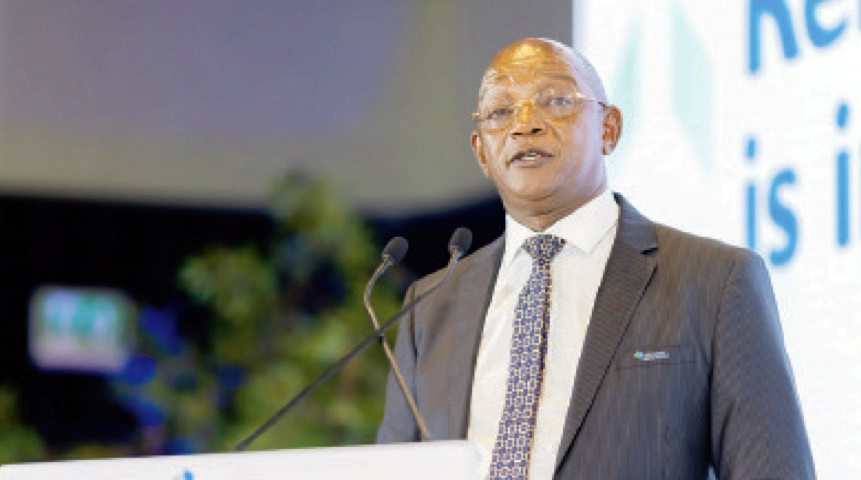
In the vibrant tapestry of Africa's economic ambitions, a critical thread remains underdeveloped, threatening to unravel the continent's much-touted renaissance: a robust, homegrown reinsurance sector. Insurance and risk management experts across Africa are increasingly vocal, warning that without a solid and bold indigenous reinsurance backbone, the continent’s economic resurgence and transformation will not only remain bleak but stunted. This stark message, echoed in recent fora and underscored by figures like Henry Uche, who recently observed Rwanda's remarkable progress, highlights a pivotal challenge and a significant opportunity for African nations.
The call to action is clear: corporate leaders must look to models like Rwanda's, which has demonstrated an exceptional capacity for self-reliance and strategic development. The East African nation’s journey from tragedy to a beacon of economic growth and stability offers a compelling blueprint for how strategic, localized initiatives can drive profound national and regional advancement. For Africa to truly unlock its vast potential, it must first secure its financial future against the myriad of global and local risks, a task that inherently demands a strong, self-sufficient reinsurance industry.
The Critical Role of Reinsurance in Economic Development
Reinsurance, often dubbed the 'insurance of insurance companies,' plays an indispensable role in a nation's economic stability and growth. It allows primary insurers to transfer portions of their risk, thereby increasing their underwriting capacity and enabling them to cover larger, more complex risks. For developing economies like those in Africa, this is particularly crucial. Without adequate local reinsurance capacity, a significant portion of premiums paid by African businesses and individuals often flows out of the continent to international reinsurers. This capital flight represents a substantial drain on local economies, hindering investment in vital sectors and weakening financial markets.
Moreover, a strong regional reinsurance market fosters greater risk retention within the continent, leading to a deeper understanding of local risk profiles and the development of tailored insurance products. This localized expertise is invaluable for addressing unique African challenges, from climate-related disasters and agricultural risks to infrastructure projects and emerging technological threats. By keeping capital and expertise within Africa, the continent can build a more resilient financial ecosystem, capable of absorbing shocks and supporting sustainable development initiatives.
The Rwandan Renaissance: A Blueprint for Self-Reliance
Rwanda's journey over the past three decades is a testament to the power of visionary leadership and strategic national development. Emerging from the devastating 1994 genocide, the nation has meticulously rebuilt itself, focusing on good governance, technological innovation, and sustainable economic growth. Its 'Vision 2020' and subsequent 'Vision 2050' frameworks have prioritized human capital development, infrastructure, and an attractive business environment, drawing significant foreign direct investment while fostering local entrepreneurship.
What makes Rwanda a compelling model for the reinsurance sector is its emphasis on self-reliance and strategic planning. The country has proactively sought to build robust local institutions and reduce dependence on external aid, wherever feasible. While not directly a reinsurance powerhouse, Rwanda's overall economic philosophy — characterized by efficiency, innovation, and a strong regulatory framework — provides an ideal environment for the growth of sophisticated financial services. Experts suggest that if other African nations can adopt a similar mindset, focusing on building strong, transparent, and well-regulated financial sectors, the development of powerful regional reinsurance entities becomes not just possible, but inevitable.
Challenges and Opportunities for African Reinsurance
Despite the clear benefits, developing a robust African reinsurance sector faces several hurdles:
* Limited Capital Base: Many African insurers and reinsurers operate with relatively small capital bases compared to their global counterparts, limiting their capacity to underwrite large risks. * Lack of Specialized Expertise: There's a shortage of highly specialized actuarial and underwriting talent equipped to handle complex risks specific to the African context. * Fragmented Markets: The African insurance market is often fragmented across numerous national jurisdictions, each with its own regulatory framework, hindering regional integration and economies of scale. * Competition from Global Players: Established international reinsurers, with their vast capital and expertise, pose significant competition, often making it difficult for nascent African players to gain market share. * Perception of Risk: Africa is often perceived as a high-risk continent, leading to higher reinsurance costs and reluctance from international partners to invest locally.
However, these challenges also present opportunities. The continent's rapid economic growth, burgeoning middle class, and increasing investment in infrastructure offer a growing pool of insurable risks. Furthermore, the rise of digital technologies presents avenues for innovative insurance and reinsurance solutions, reaching previously underserved populations and businesses. Regional economic blocs like ECOWAS, SADC, and EAC can play a crucial role in harmonizing regulations and fostering cross-border collaboration, paving the way for truly pan-African reinsurance institutions.
The Path Forward: Collaboration, Regulation, and Innovation
To build a strong homegrown reinsurance backbone, a multi-pronged approach is essential:
1. Policy Support and Regulatory Harmonization: African governments and regional bodies must create an enabling environment through supportive policies, stable regulatory frameworks, and efforts to harmonize insurance laws across borders. This would facilitate the growth of larger, more competitive regional reinsurers. 2. Capitalization and Investment: Encouraging both public and private investment into African reinsurance entities is vital to boost their capital base and underwriting capacity. This could involve incentives for local institutional investors and fostering partnerships with development finance institutions. 3. Talent Development: Investing in education and training programs to develop a skilled workforce in actuarial science, risk management, and specialized underwriting is paramount. Collaborations between universities and industry players can bridge this talent gap. 4. Technological Adoption: Embracing InsurTech and other digital innovations can enhance efficiency, improve risk assessment, and expand market reach. Data analytics and AI can provide deeper insights into African risk profiles, leading to more accurate pricing and product development. 5. Regional Cooperation: Strengthening existing regional reinsurance pools and establishing new ones can help distribute risks more effectively and build collective capacity. Initiatives like the African Reinsurance Corporation (Africa Re) and Zep-Re (PTA Reinsurance Company) are excellent starting points that need further support and expansion.
Conclusion: Securing Africa's Economic Destiny
The clarion call from Africa's insurance and risk management experts is a strategic imperative, not merely a suggestion. The continent stands at a critical juncture, poised for unprecedented growth but vulnerable to external economic shocks and capital flight. By developing robust, homegrown reinsurance institutions, Africa can not only retain billions in premiums annually but also foster greater financial stability, stimulate local investment, and build resilience against an increasingly uncertain global landscape. Emulating the spirit of the Rwandan renaissance – one of strategic self-reliance, innovation, and unwavering commitment to development – African nations can collectively forge a future where their economic destiny is firmly in their own hands. This is not just about insurance; it's about sovereignty, sustainability, and the true realization of the African dream.
Stay Informed
Get the world's most important stories delivered to your inbox.
No spam, unsubscribe anytime.
Comments
No comments yet. Be the first to share your thoughts!