Africa's Electric Revolution: How Fuel Crises are Accelerating EV Adoption, Led by Ethiopia
Africa is witnessing a remarkable surge in electric vehicle (EV) adoption, driven primarily by escalating fuel prices and persistent shortages. Ethiopia leads this charge, importing a significant number of EVs from China and implementing policies to support the transition. This shift promises cleaner air, economic relief, and a new era of sustainable transportation across the continent, challenging traditional energy dependencies.
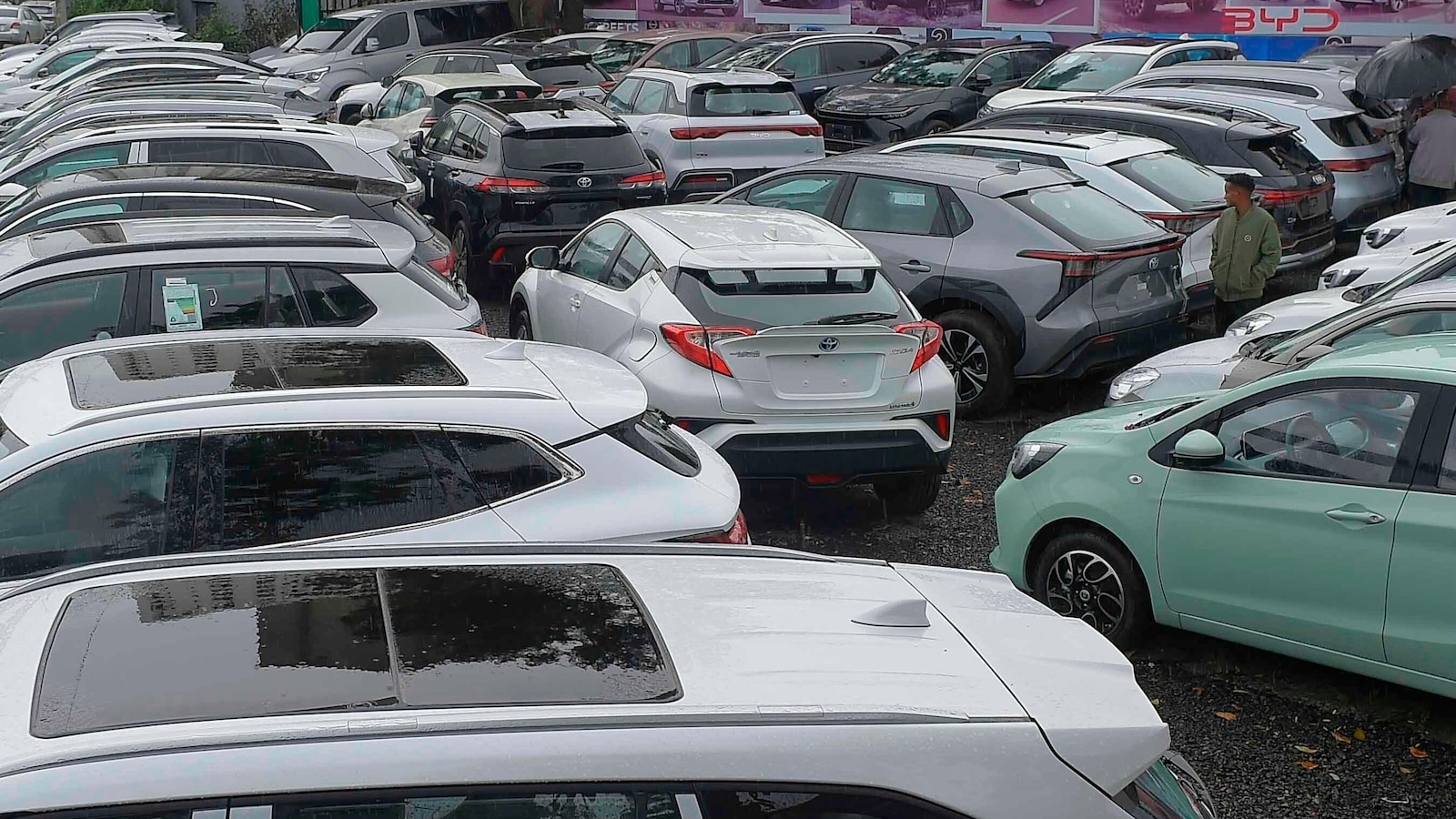
The hum of electric motors is fast replacing the roar of internal combustion engines across Africa, signaling a profound shift in the continent's transportation landscape. What began as a nascent trend is now accelerating into a full-blown revolution, propelled by the twin pressures of soaring fuel prices and chronic shortages. At the forefront of this transformation is Ethiopia, a nation strategically embracing electric vehicles (EVs) as a cornerstone of its future mobility and economic resilience.
For decades, African nations have grappled with volatile global oil markets, leading to unpredictable fuel costs that burden both individual consumers and national economies. The recent geopolitical upheavals and supply chain disruptions have only exacerbated these challenges, pushing many countries to the brink of energy crises. In this crucible of necessity, electric vehicles have emerged not just as an eco-friendly alternative but as a pragmatic solution to an existential problem.
The Spark: Fuel Shortages and Economic Imperatives
The narrative of Africa's EV surge is inextricably linked to the continent's energy vulnerabilities. Unlike many developed nations where environmental concerns often spearhead EV adoption, in Africa, the primary catalysts are economic and logistical. The cost of gasoline and diesel has become prohibitive for many, making the prospect of cheaper, locally generated electricity for transport incredibly appealing. Ethiopia, for instance, has leveraged its abundant hydroelectric power to offer a compelling economic argument for EVs, effectively decoupling transportation costs from global oil price fluctuations.
Data underscores this rapid shift. In 2025 alone, Africa imported a staggering 44,358 electric vehicles from China, a clear indicator of the growing demand and the strategic partnerships being forged. This influx is not merely about purchasing cars; it represents a significant investment in a future less reliant on imported fossil fuels, thereby enhancing energy security and saving precious foreign exchange reserves. The economic implications are profound, promising to stabilize budgets and free up capital for other developmental projects.
Ethiopia's Bold Leadership: A Blueprint for the Continent
Ethiopia's commitment to electric mobility is particularly noteworthy. The government has implemented progressive policies, including significant tax exemptions for EV imports, making them more affordable for its citizens. This proactive approach has positioned Ethiopia as a regional leader, demonstrating how policy can effectively drive market adoption. The focus extends beyond passenger vehicles to include electric buses and three-wheelers, which are vital for public transport and last-mile delivery in urban centers.
This leadership is not accidental. Ethiopia has a long-term vision to industrialize and modernize, and sustainable transport is a critical component of that vision. By embracing EVs, the nation aims to reduce air pollution in its rapidly growing cities, improve public health outcomes, and create new economic opportunities in charging infrastructure, maintenance, and potentially even local assembly. The success seen in Ethiopia provides a compelling case study for other African nations contemplating similar transitions.
Beyond the Road: Infrastructure and Investment Challenges
While the momentum for EVs is undeniable, the path forward is not without hurdles. The most significant challenge lies in developing robust charging infrastructure across vast and often sparsely populated regions. Reliable electricity grids, standardized charging stations, and accessible maintenance facilities are crucial for sustaining this growth. Governments, private investors, and international partners must collaborate to build out this essential ecosystem.
Investment in renewable energy sources, particularly solar and wind, will be paramount to ensure that the electricity powering these EVs is truly clean and sustainable. Furthermore, training skilled technicians for EV maintenance and repair is essential to support the longevity and reliability of these vehicles. Without these foundational elements, the full potential of Africa's EV revolution may remain untapped.
The Broader Impact: Sustainability and Self-Reliance
The shift to electric vehicles in Africa is more than just a change in transport; it's a move towards greater sustainability and self-reliance. Reducing reliance on imported fossil fuels strengthens national economies and insulates them from global price shocks. Environmentally, it promises a significant reduction in carbon emissions and urban air pollution, contributing to global climate goals and improving the quality of life for millions.
Moreover, this transition fosters innovation and local industrial development. The demand for EVs creates opportunities for local manufacturing, battery assembly, and the development of smart grid technologies. It also encourages the exploration and utilization of Africa's rich mineral resources, such as lithium and cobalt, which are critical components of EV batteries, albeit with careful attention to ethical sourcing and environmental impact.
A Future Electrified: Africa's Role on the Global Stage
Africa's burgeoning EV market is a testament to its adaptability and resilience. What started as a response to crises is evolving into a proactive strategy for sustainable development. As countries like Ethiopia continue to lead the way, they are not only transforming their own transport sectors but also providing valuable lessons for other emerging economies worldwide.
The continent's unique challenges—from infrastructure gaps to energy access disparities—are also fostering innovative solutions tailored to local contexts. This includes the rise of swappable battery systems for two and three-wheelers, off-grid charging solutions powered by solar, and micro-grid integration for rural communities. Africa is not just adopting global EV trends; it is actively shaping them, proving that sustainable mobility can thrive even in the most challenging environments. The future of transportation in Africa is undeniably electric, promising a cleaner, more stable, and economically empowered continent.
Stay Informed
Get the world's most important stories delivered to your inbox.
No spam, unsubscribe anytime.
Comments
No comments yet. Be the first to share your thoughts!