Amazon's New Fire TV Sticks Tighten Grip on Streaming: The End of Sideloading?
Amazon is escalating its fight against illegal streaming with new Fire TV Stick models poised to block unauthorized app sideloading. This move signals a significant shift in how users access content, potentially reshaping the landscape of home entertainment and digital freedom. We delve into the implications for consumers, content creators, and the broader tech industry as the streaming giant asserts greater control over its ecosystem.
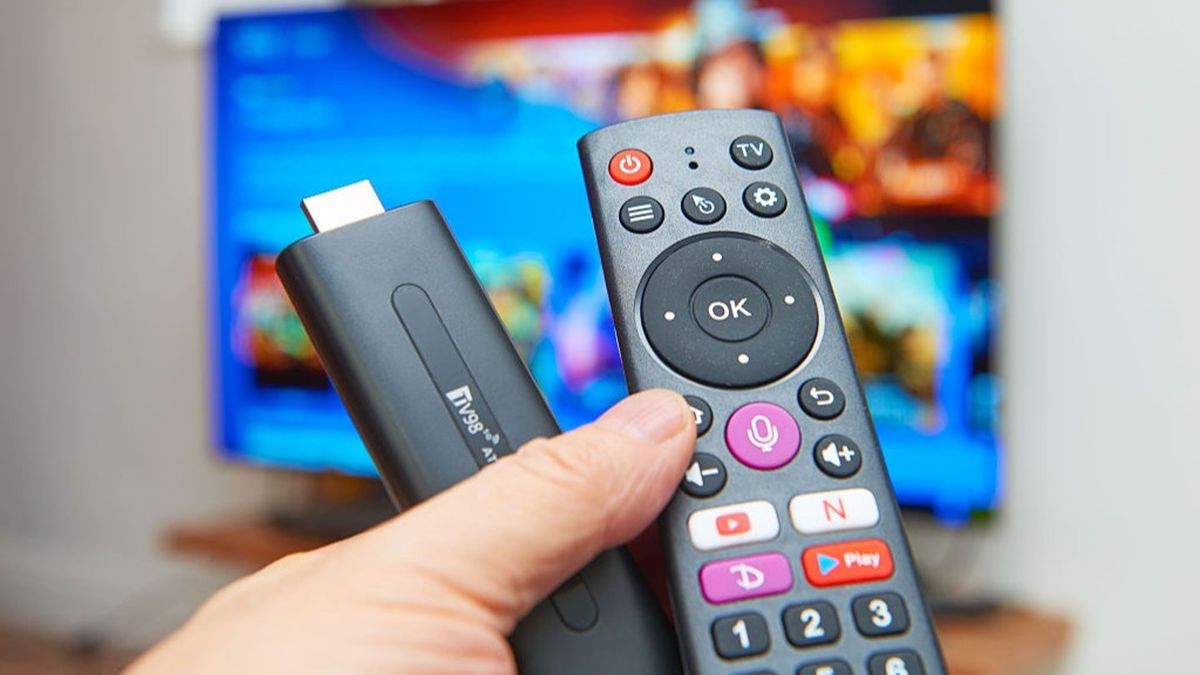
In the ever-evolving digital landscape, where content consumption has become as fluid as the internet itself, a seismic shift is underway that threatens to redefine the boundaries of digital freedom and access. Amazon, a titan of e-commerce and cloud computing, is reportedly tightening its grip on its popular Fire TV Stick devices, with newer models appearing to block the sideloading of applications not officially sanctioned by its app store. This aggressive stance marks a significant escalation in the ongoing battle against illegal streaming, but its ramifications extend far beyond piracy, touching upon user autonomy, the future of open platforms, and the very nature of digital ownership.
For years, the Amazon Fire TV Stick has been a favorite among tech enthusiasts and casual users alike, not just for its affordability and ease of use, but also for its inherent flexibility. Its Android-based operating system allowed users to 'sideload' applications – installing apps from sources other than Amazon's official Appstore. This capability was a double-edged sword: it enabled access to legitimate, niche streaming services not available on the official store, but it also became a conduit for accessing pirated content, often through illicit streaming apps and Kodi add-ons. The new measures, if fully implemented, would effectively seal off this avenue, forcing users to rely solely on Amazon's curated ecosystem.
The War on Piracy: A Long and Winding Road
The fight against illegal streaming is not new; it's a protracted war waged by content creators, studios, and streaming platforms against a shadowy network of pirates. The stakes are immense, with billions of dollars in revenue lost annually to unauthorized distribution. Tech companies, often pressured by rights holders, have been increasingly called upon to play a more active role in this enforcement. Amazon's move is part of a broader industry trend where device manufacturers and platform owners are exerting greater control over their hardware and software ecosystems. Apple's iOS, for instance, has always maintained a tightly controlled app environment, making sideloading a non-issue for the vast majority of its users. Google's Android, while historically more open, has also seen increased scrutiny and pressure to curb illicit activities.
This crackdown isn't just about Amazon's corporate responsibility; it's also about protecting its own burgeoning streaming empire. With Prime Video, Freevee, and its extensive library of rental and purchase options, Amazon has a vested interest in ensuring that users pay for content. Allowing unfettered access to pirated alternatives directly undermines its business model. The company's strategy appears to be a multi-pronged approach: not only are they restricting sideloading on new devices, but they are also actively pursuing legal action against developers and distributors of illegal streaming services. This combination of technological barriers and legal enforcement signals a serious commitment to safeguarding their intellectual property and revenue streams.
Implications for the Consumer: Convenience vs. Control
For the average consumer, the implications are varied. On one hand, a more controlled environment could lead to a safer, more streamlined user experience. Less risk of malware, fewer confusing interfaces, and a clearer path to legitimate content. Amazon's official Appstore is generally well-vetted, offering a degree of security that sideloaded apps often lack. This could be particularly appealing to less tech-savvy users who prioritize simplicity and reliability.
However, for a significant segment of the user base, particularly those who valued the Fire TV Stick for its openness, this change represents a loss of digital autonomy. Sideloading wasn't exclusively for piracy; it allowed users to install: * Niche streaming services not yet officially integrated. * Customization tools and launchers. * Productivity apps adapted for TV screens. * Open-source media players like VLC or Kodi (when used legitimately for personal media libraries).
The removal of this capability transforms the Fire TV Stick from a versatile, adaptable media hub into a more closed appliance, primarily serving Amazon's content ecosystem. Users who previously relied on these devices for a broader range of applications may now feel compelled to seek alternative hardware, such as Android TV boxes from other manufacturers or even build their own media centers, which typically offer greater flexibility.
The Technical Hurdles and the Cat-and-Mouse Game
Implementing such restrictions is not a simple task. Amazon's new Fire TV Stick models are reportedly designed with hardware and software safeguards that make sideloading significantly more difficult, if not impossible, for the average user. This could involve changes to the operating system's security protocols, bootloader restrictions, or even hardware-level checks that verify app authenticity. However, the history of digital rights management (DRM) and content protection is replete with examples of cat-and-mouse games between developers and those seeking to bypass restrictions. It's highly probable that a community of modders and hackers will emerge, attempting to find new ways to circumvent these limitations. This ongoing technological arms race will likely continue to shape the future of streaming devices.
The challenge for Amazon lies in striking a balance. While curbing piracy is a legitimate goal, alienating a significant portion of its user base by over-restricting functionality could backfire. The company must weigh the benefits of increased content protection against the potential for user dissatisfaction and a shift towards more open platforms. The perception of a device being 'locked down' can be a powerful deterrent for consumers who value choice and flexibility.
A Glimpse into the Future of Streaming Devices
Amazon's move with the Fire TV Stick is a bellwether for the broader industry. We are likely to see other platform providers follow suit, gradually closing off loopholes and consolidating control over their ecosystems. This trend points towards a future where streaming devices become more specialized, acting primarily as gateways to their respective content libraries rather than versatile computing platforms. The era of the truly open, customizable streaming box may be drawing to a close, replaced by highly curated, secure, and tightly integrated experiences.
For consumers, this means a future where the choice of streaming device is increasingly tied to the content ecosystems they wish to access. The decision will shift from 'which device offers the most features?' to 'which device best serves my preferred streaming services and content providers?' This consolidation could lead to less fragmentation in the short term but might also stifle innovation and limit consumer choice in the long run. As Amazon, Google, Apple, and others vie for dominance in the living room, the battle for control over the digital gateway is intensifying, and the new Fire TV Sticks are just the latest salvo in this high-stakes conflict. The coming years will reveal whether this tighter control fosters a more secure and profitable streaming environment or simply drives users towards new, uncharted digital territories in search of freedom.
Stay Informed
Get the world's most important stories delivered to your inbox.
No spam, unsubscribe anytime.
Comments
No comments yet. Be the first to share your thoughts!