Android's Performance Power Play: Antutu's April 2026 Rankings Unveil a Shifting Silicon Landscape
Antutu's April 2026 benchmark results have revealed the top-performing Android smartphones and tablets, showcasing an intense battle for supremacy among flagship and sub-flagship devices. 'Ultra' models are dominating the high-end, while a new generation of chips is redefining mid-range expectations. This analysis delves into the implications for consumers and the future of mobile technology.
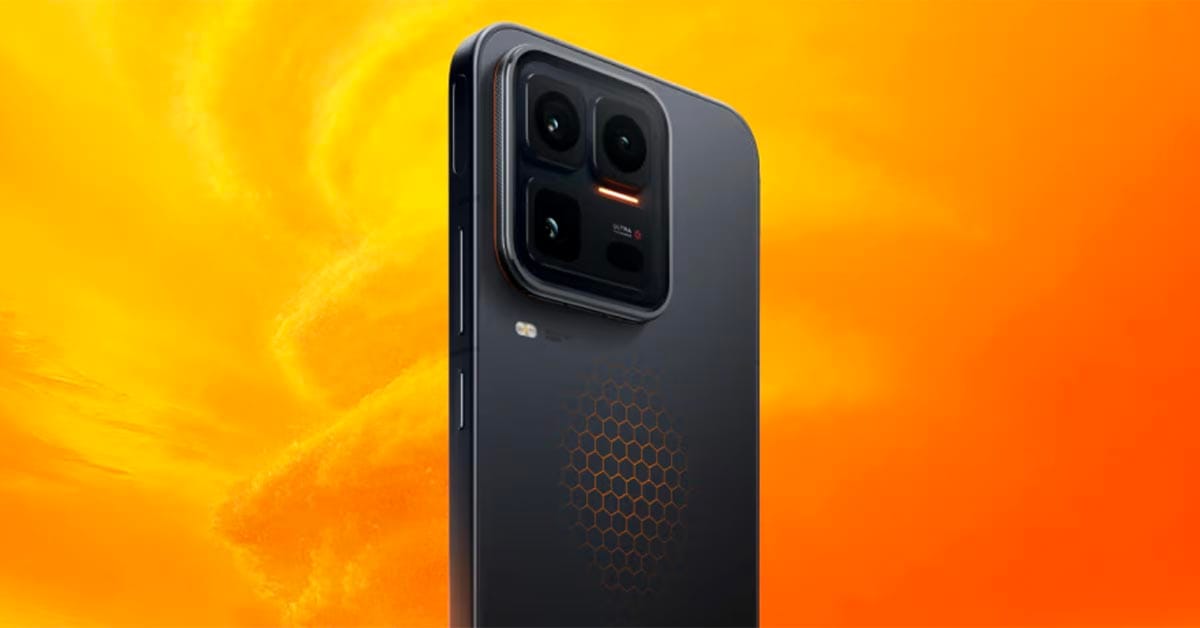
The second quarter of 2026 is officially underway, and Antutu’s April benchmark numbers have just dropped, offering a revealing snapshot of the ever-evolving silicon landscape in the Android ecosystem. For consumers seeking the absolute pinnacle of mobile performance, these rankings are more than just bragging rights; they are a critical indicator of innovation, efficiency, and the direction in which smartphone and tablet technology is heading. The data paints a clear picture: the race for top-tier performance is more intense than ever, with ‘Ultra’ models asserting their dominance and a new wave of processors pushing the boundaries of what’s possible in both flagship and sub-flagship categories.
The Reign of the 'Ultras' and Flagship Dominance
Antutu's April 2026 report unequivocally highlights the continued supremacy of 'Ultra' models in the flagship segment. These devices, often representing the pinnacle of a manufacturer's engineering prowess, consistently occupy the top spots, driven by custom-tuned chipsets and optimized software. This trend isn't new, but its entrenchment suggests a clear market segmentation strategy by major brands: offering a premium tier that justifies a higher price point through unparalleled performance. Historically, the smartphone market has seen a gradual increase in processing power, but the current generation of flagship chips, exemplified by the top performers in this list, are not just faster; they are more efficient, capable of handling complex AI tasks, advanced gaming graphics, and high-resolution multimedia with remarkable fluidity. The competition among these top-tier chips – often from Qualcomm's Snapdragon series, MediaTek's Dimensity line, and increasingly, proprietary silicon from manufacturers like Samsung and Google – is fierce, leading to rapid advancements that trickle down to lower-tier devices over time. For the consumer, this means smoother daily operations, faster app loading, and a more immersive experience across the board.
Sub-Flagship Surge: Bridging the Performance Gap
Perhaps one of the most exciting developments revealed by the April benchmarks is the significant surge in the sub-flagship category. Once a segment characterized by compromises, sub-flagship devices are now delivering performance that would have been considered flagship-level just a couple of years ago. This narrowing of the performance gap is largely attributable to the rapid innovation in mid-range chipsets. Manufacturers are leveraging advancements in fabrication processes and architectural designs to produce highly capable processors that offer an exceptional balance of power and cost-effectiveness. This means that users no longer need to spend top dollar to get a phone or tablet that can handle demanding applications, graphically intensive games, and efficient multitasking. The sub-flagship market has become a battleground for value, where brands compete to offer the best performance-per-dollar, making high-end mobile experiences accessible to a broader audience. This democratization of performance is a significant win for consumers, fostering greater choice and pushing the entire industry forward.
Tablets Enter the Fray: A Resurgence in Mobile Productivity
While smartphones often grab the headlines, Antutu's inclusion of tablets in its performance rankings underscores a quiet but significant resurgence in this form factor. Tablets, particularly those designed for productivity and creative tasks, are increasingly adopting the same high-performance chipsets found in flagship smartphones. This integration of powerful silicon transforms tablets from mere content consumption devices into genuine productivity hubs, capable of rivaling entry-level laptops in certain tasks. The benchmarks demonstrate that these tablets are not just larger screens; they are powerful computing devices optimized for multitasking, digital art, and even light video editing. This trend is particularly relevant in an era where hybrid work models and digital learning are becoming more prevalent. The ability to seamlessly switch between a smartphone and a high-performance tablet, both powered by similar architectural foundations, offers a cohesive and powerful mobile computing experience. The competition in the tablet space, spurred by these performance gains, promises more innovative designs and features in the coming months.
Implications for Consumers and the Future of Mobile Tech
The Antutu April 2026 rankings offer several key takeaways for consumers and industry observers alike. Firstly, the sheer pace of innovation means that device longevity is improving. While new models are released frequently, the performance ceiling is now so high that even a sub-flagship device from a year or two ago can still offer a perfectly adequate experience for most users. Secondly, the emphasis on efficiency alongside raw power is paramount. Modern chipsets are designed not just to be fast, but to manage power consumption intelligently, leading to better battery life and reduced thermal throttling. This is crucial for sustained performance during intense gaming sessions or prolonged use. Thirdly, the data hints at the increasing importance of software optimization. Even the most powerful hardware can be hampered by poorly optimized software, and manufacturers are investing heavily in fine-tuning their operating systems and user interfaces to extract every ounce of performance from their silicon.
Looking ahead, the trends suggest a continued focus on AI integration at the hardware level, with dedicated neural processing units becoming standard across all tiers. This will unlock new possibilities for on-device AI capabilities, from advanced computational photography to more intuitive user interfaces. We can also anticipate further advancements in display technology and connectivity, with faster refresh rates and more robust 5G/6G capabilities becoming standard. The intense competition, particularly in the Chinese market where these benchmarks originate, acts as a powerful catalyst for innovation, pushing manufacturers to constantly outdo each other. For the end-user, this translates into a future where mobile devices are not just tools, but increasingly powerful and intelligent companions, seamlessly integrating into every aspect of our digital lives. The April 2026 Antutu report is not just a list of numbers; it's a testament to the relentless pursuit of perfection in the world of Android performance.
Stay Informed
Get the world's most important stories delivered to your inbox.
No spam, unsubscribe anytime.
Comments
No comments yet. Be the first to share your thoughts!