Apple India's Royal Gambit: How iPhone 17 Campaign Bridges Ancient Majesty and Modern Tech Woes
Apple India's latest iPhone 17 campaign, set in a lavish palace, brilliantly showcases how even royalty grapples with everyday tech frustrations like lost AirPods and dead batteries. Directed by Ayappa KM, this TBWA\Media Arts Lab creation humorously highlights the iPhone's reliability as the ultimate solution, proving that technological glitches are a universal equalizer. The campaign marks a strategic pivot for Apple, deepening its connection with the Indian market by blending local cultural narratives with global product appeal.
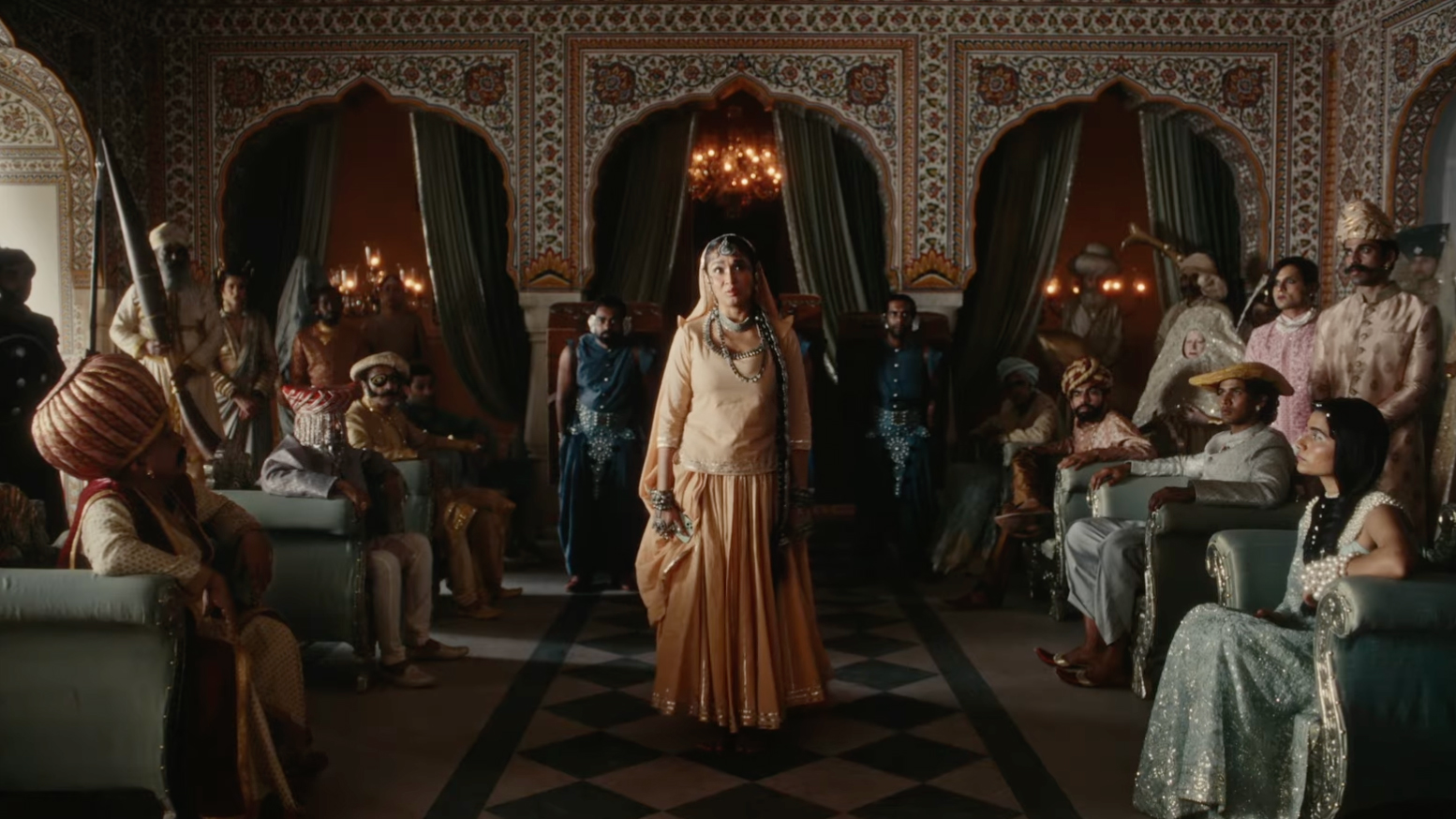
In an era where technological advancement often feels like a relentless march forward, a new campaign from Apple India offers a refreshingly relatable perspective: even kings and queens aren't immune to the vexations of modern gadgets. Apple's latest iPhone 17 campaign, a masterclass in marketing ingenuity, transports viewers to the opulent confines of a royal palace, where the drama of lost AirPods, dying batteries, and the perennial challenge of fitting everyone into a selfie become matters of state. This isn't just an advertisement; it's a cultural commentary, a bridge between ancient majesty and contemporary tech woes, brilliantly executed to resonate deeply within the diverse Indian market.
Directed by the acclaimed Ayappa KM and brought to life by TBWA\Media Arts Lab, the campaign stars a harried royal messenger, whose unenviable task is to repeatedly deliver bad news – often related to tech malfunctions – to his regal superiors. The humor lies in the stark contrast: grand, historical settings juxtaposed with mundane, universal tech problems. This strategic narrative choice allows Apple to subtly underscore the iPhone's role not just as a premium device, but as a reliable companion, capable of mitigating these everyday digital dilemmas, even for those accustomed to having their every whim catered to.
The Universal Language of Tech Frustration
The genius of Apple India's iPhone 17 campaign lies in its ability to tap into a universal truth: technology, for all its wonders, can be frustrating. Whether you're a commoner or a monarch, the panic of a lost earbud, the anxiety of a rapidly depleting battery, or the awkwardness of a poorly framed group photo are shared experiences. By placing these scenarios within a royal context, Apple elevates the stakes, making the iPhone's solutions appear even more indispensable. The campaign implicitly argues that if an iPhone can solve these problems for royalty, whose lives are presumably managed with utmost efficiency, then it can certainly simplify the lives of its everyday users.
This approach is particularly potent in India, a market known for its deep respect for tradition and hierarchy, yet one that is also rapidly embracing technological innovation. The imagery of a palace, a symbol of heritage and grandeur, serves as a powerful backdrop, allowing the modern iPhone to seamlessly integrate into a narrative that feels both aspirational and grounded. It’s a clever way to acknowledge India's rich past while firmly positioning Apple as a brand for its technologically forward-looking future. The campaign avoids the pitfall of being overly Westernized, instead opting for a narrative that feels authentically Indian, yet globally understood.
Apple's Strategic Deep Dive into the Indian Market
Apple's intensified focus on the Indian market is no secret. With China's market maturing and geopolitical tensions occasionally casting shadows, India represents a colossal growth opportunity. A burgeoning middle class, increasing disposable income, and a young, tech-savvy population make it a prime target for premium smartphone manufacturers. This campaign is a testament to Apple's commitment to understanding and catering to the nuances of this vital market.
Historically, Apple's penetration in India has been lower compared to other global markets, partly due due to pricing and competition from more affordable Android alternatives. However, recent years have seen a significant shift, with Apple aggressively expanding its retail presence, local manufacturing, and tailoring marketing efforts. The iPhone 17 campaign is a prime example of this localized strategy. It's not just about selling a product; it's about weaving the product into the cultural fabric, making it relevant and desirable to the Indian consumer. By using local directors like Ayappa KM and local narratives, Apple demonstrates a genuine effort to connect on a deeper level, moving beyond generic global advertisements.
According to recent market analyses, Apple's market share in India has been steadily climbing, particularly in the premium segment. Campaigns like this one are crucial in solidifying that position and attracting new users who might have previously considered iPhones out of reach or irrelevant to their lifestyle. The subtle humor and relatable scenarios make the brand more approachable, breaking down perceptions of exclusivity in a way that resonates with a broader audience.
The Art of Storytelling in Modern Advertising
TBWA\Media Arts Lab, Apple's long-standing creative partner, has once again demonstrated its prowess in crafting compelling narratives. Their approach goes beyond simply showcasing product features; it focuses on the emotional connection and problem-solving capabilities of the iPhone. The campaign's success lies in its ability to tell a story that is both entertaining and persuasive, without explicitly listing specifications or technical jargon.
The use of a royal messenger as the central character is particularly effective. He embodies the stress and frustration associated with tech failures, making his relief when an iPhone provides a solution all the more palpable. This narrative arc creates a sense of empathy and allows viewers to project their own experiences onto the character, thereby strengthening the brand's message. The campaign cleverly uses situational humor to highlight the iPhone's reliability, battery life, and camera capabilities – features that are often taken for granted but become critically important in moments of need.
This storytelling approach is a stark contrast to traditional advertising that might rely on celebrity endorsements or direct product comparisons. Instead, Apple chooses to create a memorable brand experience, one that leaves a lasting impression and subtly reinforces the iPhone's value proposition. It’s a testament to the power of narrative in an increasingly cluttered advertising landscape.
Implications and Forward-Looking Perspectives
The iPhone 17 campaign in India is more than just an ad; it's a strategic move with significant implications for Apple's global marketing playbook. It signals a deeper commitment to hyper-localization, adapting global brand messages to specific cultural contexts without losing the core brand identity. This strategy is likely to be replicated in other emerging markets where cultural nuances play a significant role in consumer behavior.
For consumers, the campaign reinforces the idea that technology should simplify, not complicate, life. It subtly positions the iPhone as a reliable, intuitive device that can handle the unexpected, whether it's a forgotten charging cable or a sudden photo opportunity. This focus on user experience and reliability is a cornerstone of Apple's brand philosophy and is effectively communicated through the campaign's humorous scenarios.
Looking ahead, we can expect Apple to continue refining its localized marketing strategies, leveraging local talent and narratives to build stronger connections with diverse global audiences. The success of the iPhone 17 campaign in India could serve as a blueprint for future endeavors, demonstrating that even a global tech giant can benefit immensely from understanding and celebrating local cultures. In a world where digital experiences are becoming increasingly intertwined with daily life, campaigns like this remind us that the human element – our shared frustrations and triumphs – remains at the heart of effective communication. Apple’s royal gambit is a clear indication that the company is not just selling phones, but a promise of seamless, stress-free digital living, even for those who wear crowns.
Stay Informed
Get the world's most important stories delivered to your inbox.
No spam, unsubscribe anytime.
Comments
No comments yet. Be the first to share your thoughts!