Apple's Augmented Reality Vision: Dual Cameras and Gesture Control Hint at a New Era of Interaction
Persistent rumors suggest Apple's long-anticipated smart glasses are taking shape, focusing on intuitive gesture-based input and dual cameras. This minimalist approach, powered by Siri, signals a potential paradigm shift in how we interact with digital information. While a launch is still years away, these details offer a glimpse into Apple's ambitious vision for augmented reality, promising an immersive yet seamless technological integration into daily life.
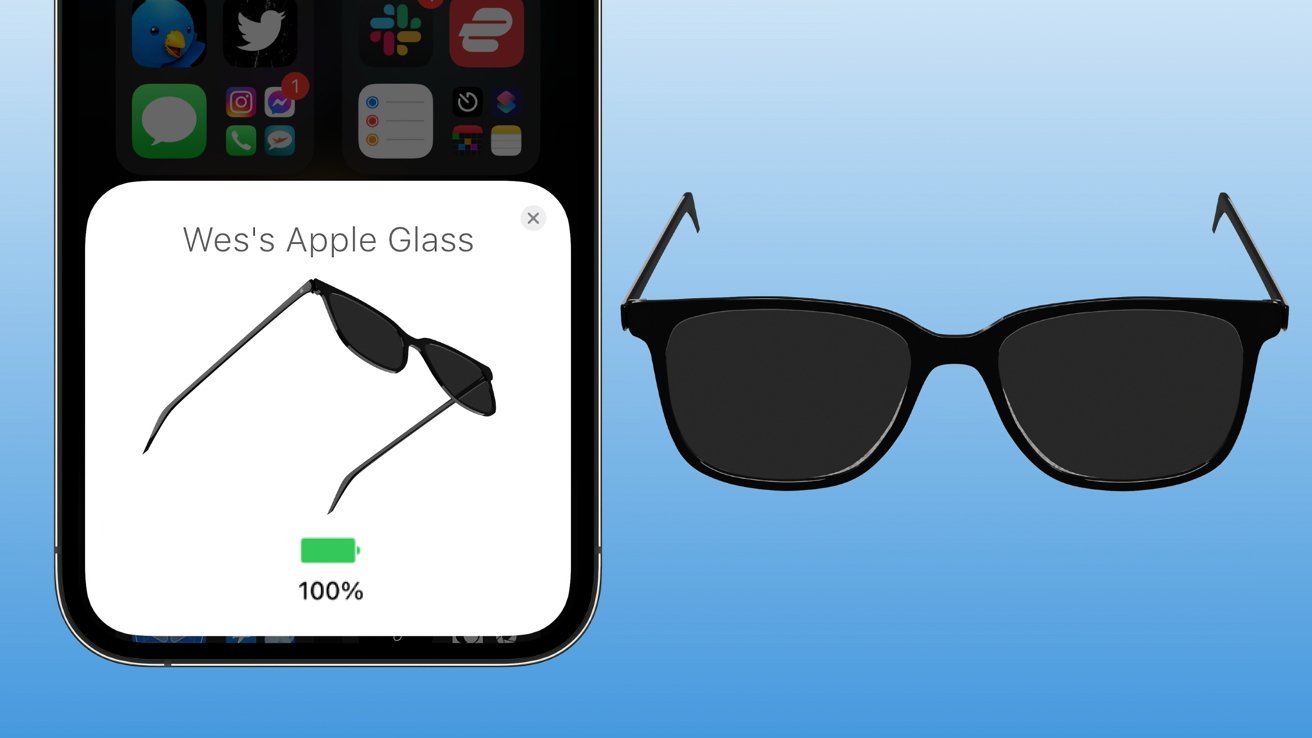
For years, the tech world has buzzed with speculation about Apple's foray into augmented reality (AR) eyewear. What once seemed like science fiction is steadily moving towards reality, with persistent rumors painting an increasingly clear picture of Apple's ambitious smart glasses. The latest whispers from reliable industry sources suggest a device that prioritizes intuitive interaction: gesture-based input and dual integrated cameras are set to be at the core of the user experience, complemented by the omnipresent voice assistant, Siri. This minimalist yet powerful design philosophy could redefine our relationship with digital information, seamlessly overlaying it onto our physical world.
The Genesis of a Vision: Apple's AR Journey
Apple's interest in augmented reality is far from new. Claims of the Cupertino giant working on smart glasses date back as far as 2015, a testament to the long-term strategic thinking that underpins many of Apple's most significant product launches. While competitors like Google, Microsoft, and Meta have already launched their own versions of smart glasses or AR/VR headsets, Apple has famously taken its time, meticulously refining its approach and waiting for the technology to mature. This patient strategy is characteristic of Apple, which often prefers to enter established markets with a polished, user-friendly product rather than being first to market. The company's significant investments in AR technologies, including the acquisition of several AR startups and the continuous development of its ARKit platform for iOS, underscore its commitment to this transformative field. Analysts have long predicted a launch timeframe, with many now pointing to 2026 or 2027 as the most likely window for these highly anticipated devices to hit the market. This extended development cycle suggests Apple is not merely creating another gadget, but aiming for a foundational shift in personal computing, much like the iPhone did for mobile technology.
Core Features: Gesture, Cameras, and Siri
At the heart of the rumored Apple smart glasses lies a focus on natural, unencumbered interaction. The emphasis on gesture-based input is particularly intriguing. Imagine controlling your digital world with subtle hand movements, eliminating the need for physical buttons or cumbersome external controllers. This could involve anything from pinching your fingers to zoom, swiping your hand to navigate menus, or even more complex interactions that are yet to be fully imagined. Such an interface would make the glasses feel less like a device and more like an extension of oneself, enhancing the feeling of immersion and reducing cognitive load.
Complementing this gestural control are the two built-in cameras. While their exact purpose is still subject to speculation, they are likely to serve multiple critical functions:
* Environmental understanding: The cameras could map the user's surroundings, enabling the glasses to accurately place virtual objects in the real world and understand depth and spatial relationships. * Hand tracking: Essential for the gesture-based input, these cameras would precisely track hand and finger movements. * Augmented reality overlays: They would feed real-world video into the system, allowing for the seamless superimposition of digital information. * Photography/Videography: While not the primary focus, the ability to discreetly capture photos or videos from a first-person perspective could be a secondary, yet powerful, feature.
And, of course, no modern Apple device would be complete without Siri. The intelligent voice assistant is expected to play a crucial role in hands-free operation, allowing users to issue commands, ask questions, and receive information without needing to lift a finger or even make a gesture. This combination of voice and gesture could offer an incredibly versatile and intuitive interface, catering to different situations and user preferences.
The 'Not Much Else' Philosophy: Minimalism and Integration
The phrase "and not much else" in the rumors is perhaps as telling as the features themselves. It suggests a deliberate strategy of minimalism and focused functionality. Unlike some early AR glasses that attempted to cram a multitude of features into a bulky form factor, Apple appears to be prioritizing a sleek, lightweight design that can be worn comfortably for extended periods. This likely means offloading significant processing power to a connected iPhone or other Apple devices, similar to how the Apple Watch initially relied heavily on the iPhone. This approach has several advantages:
* Reduced weight and size: Keeping the glasses light and aesthetically pleasing is crucial for mass adoption. * Extended battery life: Less on-board processing means less power consumption. * Cost efficiency: Leveraging existing device ecosystems can help manage manufacturing costs. * Seamless ecosystem integration: Further cementing the user within Apple's interconnected world of devices and services.
This minimalist philosophy aligns with Apple's design ethos, where form often follows function, and complexity is hidden behind a simple user experience. It indicates a product designed for seamless integration into daily life, rather than a niche gadget for tech enthusiasts.
Implications and the Future of Human-Computer Interaction
The potential implications of Apple's smart glasses are profound. If successful, they could usher in a new era of ubiquitous computing, where digital information is always present, contextual, and accessible without the need to pull out a phone or interact with a screen. Imagine:
* Enhanced navigation: Directions overlaid directly onto your field of vision. * Instant information: Recognizing landmarks or objects and pulling up relevant data in real-time. * Productivity: Virtual screens and interfaces appearing wherever you look, transforming any space into a workspace. * Social interaction: Subtle cues or information about people you meet, with privacy considerations paramount.
However, the path to mainstream adoption is fraught with challenges. Privacy concerns will be paramount, especially regarding the dual cameras and their ability to record surroundings. Social acceptance will also be a hurdle; people need to feel comfortable wearing these devices in public. Furthermore, the user experience must be flawless, avoiding the pitfalls of motion sickness or information overload that have plagued earlier attempts at AR eyewear.
Apple's track record suggests they are acutely aware of these challenges. Their slow and deliberate approach, coupled with a focus on intuitive design and robust privacy features (as seen with other products), indicates a strategy aimed at overcoming these obstacles. The rumored features—gesture control, dual cameras, and Siri integration—point towards a device designed not just to display information, but to fundamentally change how we perceive and interact with our digital world. As the anticipated launch date draws closer, the tech community and consumers alike will be watching closely to see if Apple can once again redefine an entire product category and bring augmented reality into the mainstream.
Stay Informed
Get the world's most important stories delivered to your inbox.
No spam, unsubscribe anytime.
Comments
No comments yet. Be the first to share your thoughts!