Apple's Foldable iPhone: Is the 'iPhone Fold' Finally Here?
After years of speculation, evidence strongly suggests Apple is poised to enter the foldable smartphone market this year. Recent leaks, including metal mock-ups, point towards an imminent 'iPhone Fold' release, potentially reshaping the premium smartphone landscape. This article delves into the implications, design possibilities, and Apple's strategic timing for this highly anticipated device.
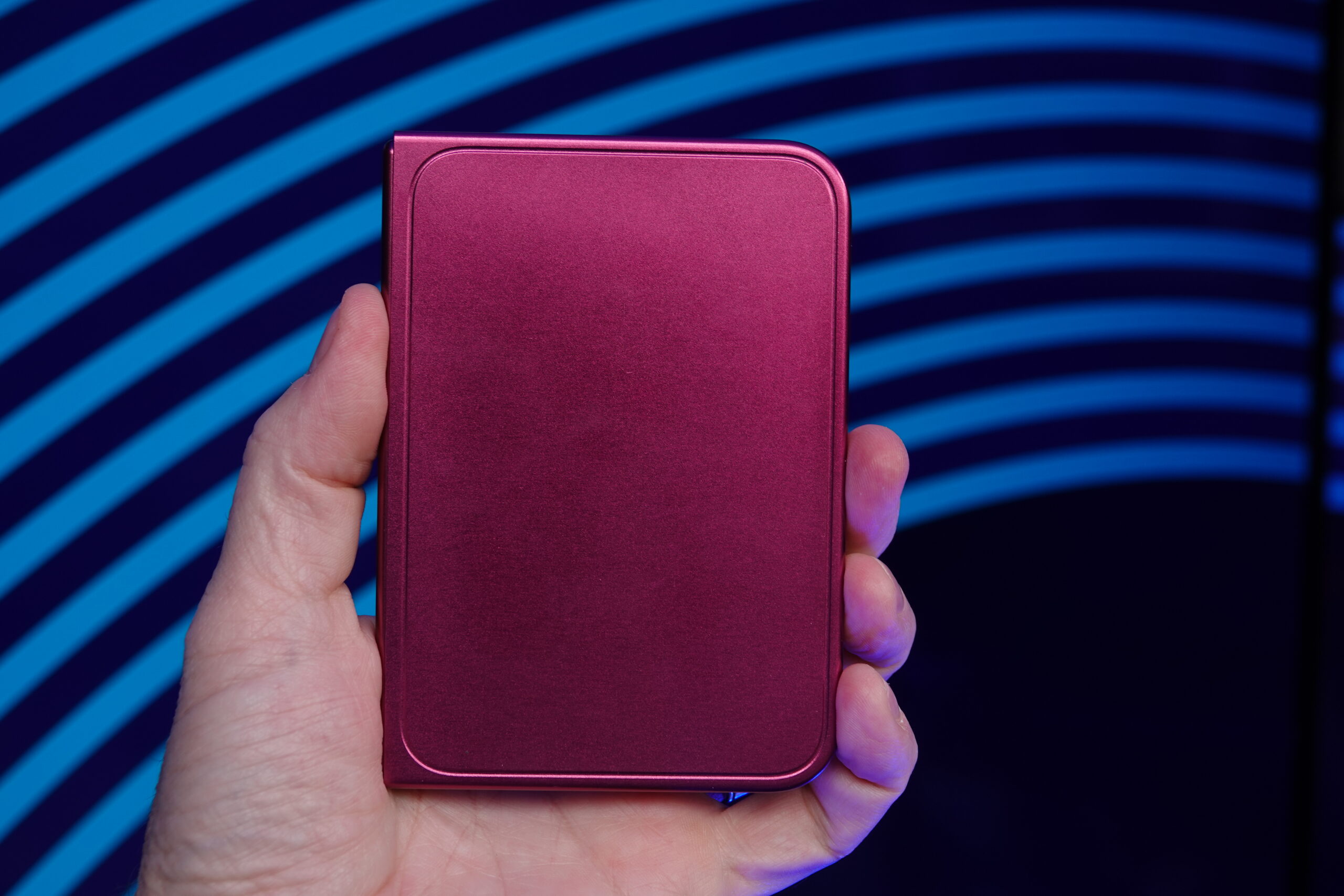
For years, the tech world has buzzed with whispers and patent filings hinting at an Apple foldable device. While competitors like Samsung and Huawei have already staked their claim in this nascent but growing segment, Apple has remained conspicuously absent, adhering to its characteristic strategy of perfection over haste. However, the silence is breaking. Recent developments, including exclusive reports and leaked metal mock-ups, suggest that 2024 might finally be the year the Cupertino giant unveils its much-anticipated 'iPhone Fold', a move that could redefine the future of mobile technology.
The prospect of an Apple foldable isn't just another product launch; it's a potential paradigm shift. Apple's entry into any new category, or its significant innovation within an existing one, invariably sets industry standards and influences consumer expectations globally. The 'iPhone Fold' isn't merely about a bending screen; it's about Apple's interpretation of a new form factor, its integration into the iOS ecosystem, and its potential to unlock unprecedented user experiences. The stakes are incredibly high, and the anticipation is palpable.
The Unfolding Evidence: Why Now?
The journey to a foldable iPhone has been long and fraught with technical challenges. Early foldable devices from other manufacturers often faced durability issues, screen creasing, and software optimization hurdles. Apple, renowned for its meticulous product development and stringent quality control, has likely been observing, learning, and refining its approach. The current wave of leaks, particularly the metal mock-ups (dummies) obtained by outlets like EFTM, provides the most concrete evidence yet that Apple has moved beyond the experimental phase and is nearing mass production.
These mock-ups, often used by accessory manufacturers to design cases and peripherals ahead of a device's official launch, are typically highly accurate representations of a device's physical dimensions and form factor. Their existence strongly implies that the design is finalized and manufacturing is gearing up. While the source description mentions "video proof," the core takeaway is the physical manifestation of these mock-ups, signaling a tangible product on the horizon. This isn't just a patent drawing anymore; it's a physical blueprint.
Apple's timing, if these reports hold true, is also strategic. The foldable market, while still niche, has matured significantly. Technologies like ultra-thin glass (UTG), improved hinge mechanisms, and more robust display materials have addressed many of the initial concerns. By waiting, Apple has potentially avoided the pitfalls of first-generation foldables, allowing them to launch a more polished and reliable product that aligns with their premium brand image. This patient approach has served them well in the past, from MP3 players to smartphones and smartwatches.
Design Philosophy: What to Expect from an Apple Foldable
Predicting Apple's design choices is always a fascinating exercise. While the mock-ups provide a glimpse into the overall form factor, the intricate details of the 'iPhone Fold' will be where Apple truly differentiates itself. Will it be a clamshell design like Samsung's Z Flip, prioritizing portability and a compact footprint? Or will it opt for a book-style fold akin to the Z Fold, offering a tablet-like experience when unfolded? The current rumors lean towards a clamshell design, which would make sense for a first-generation device, allowing Apple to test the waters with a more manageable form factor and price point.
Key design elements to watch for include: * Hinge Mechanism: Apple's engineering prowess will be tested here. A seamless, durable, and gap-free hinge will be crucial for both aesthetics and longevity. Expect a mechanism that feels fluid and robust, consistent with Apple's premium build quality. * Display Technology: Beyond the folding aspect, Apple will likely push the boundaries of display quality, offering vibrant colors, deep blacks, and exceptional brightness. The integration of ProMotion technology (adaptive refresh rates) and advanced touch sensitivity will be paramount for a premium user experience. * Outer Display: A functional and aesthetically pleasing outer display will be vital for quick interactions, notifications, and even basic app usage without needing to unfold the device. Apple's approach to this secondary screen could be a major differentiator. * Materials: Expect a combination of premium materials, likely including aerospace-grade aluminum or titanium for the frame, and a highly durable, perhaps ceramic-shield-infused, outer glass. The screen itself will undoubtedly feature advanced protective layers.
Software integration will be equally critical. iOS will need to be meticulously optimized to take full advantage of the foldable form factor, offering seamless transitions between folded and unfolded states, intuitive multitasking capabilities, and perhaps even unique app experiences tailored to the larger, flexible display. This is where Apple's tight hardware-software integration truly shines, and it will be a key factor in the 'iPhone Fold's' success.
Market Impact and Competitive Landscape
Apple's entry into the foldable market will send ripples across the entire industry. For existing players like Samsung, Huawei, Motorola, and Google, it means intensified competition and a potential re-evaluation of their own foldable strategies. Apple's brand power and loyal customer base could rapidly expand the foldable market, pushing it from a niche luxury item to a more mainstream premium offering.
* Increased Innovation: Apple's participation will undoubtedly spur further innovation from competitors, leading to faster advancements in display technology, hinge design, and software optimization across the board. * Price Point Pressure: While Apple's devices are typically premium-priced, their entry might eventually lead to more competitive pricing in the long run as economies of scale improve and competition heats up. * Ecosystem Advantage: The 'iPhone Fold' will seamlessly integrate into Apple's vast ecosystem of services, accessories, and other devices, offering a compelling proposition that competitors struggle to match. This holistic experience is a core strength of Apple.
The 'iPhone Fold' could also cannibalize sales of Apple's own traditional iPhone Pro models or even the iPad Mini, depending on its size and functionality. However, Apple has historically shown a willingness to disrupt its own product lines if it means pushing the boundaries of innovation and capturing new market segments. The long-term gain of establishing dominance in a new form factor likely outweighs any short-term cannibalization concerns.
The Road Ahead: What's Next for Foldables?
If the 'iPhone Fold' indeed launches this year, it marks a significant milestone in the evolution of personal technology. It signifies that foldable technology has reached a level of maturity and reliability that meets Apple's exacting standards. This isn't just about a single product; it's about validating a new category of devices that blurs the lines between smartphones and tablets.
Looking forward, the 'iPhone Fold' could pave the way for even more ambitious foldable and rollable designs from Apple and its competitors. Imagine iPads that fold into compact sizes, or even MacBooks with flexible screens. The potential applications are vast, and the 'iPhone Fold' could be the first step in a much larger strategy to redefine portable computing.
For consumers, the arrival of an Apple foldable means more choice, more innovation, and potentially a truly transformative mobile experience. While the initial price tag will undoubtedly be steep, the long-term impact on how we interact with our devices could be profound. The tech world watches with bated breath, eager to see if Apple's latest innovation will once again set the standard for an entire industry. The era of the bending iPhone appears to be upon us, and its implications are nothing short of revolutionary.
Stay Informed
Get the world's most important stories delivered to your inbox.
No spam, unsubscribe anytime.
Comments
No comments yet. Be the first to share your thoughts!