Apple's Trademark Orchard: How a Fruit-Shaped Logo Sparked an EU Legal Battle
Apple Inc. has once again asserted its formidable intellectual property rights, successfully convincing the EU Intellectual Property Office (EUIPO) to partially reject a fruit-shaped trademark application. This decision, stemming from concerns over similarity to Apple's iconic bitten apple logo, highlights the tech giant's aggressive stance on brand protection. The case underscores the complex landscape of trademark law and its significant implications for businesses navigating the European market.
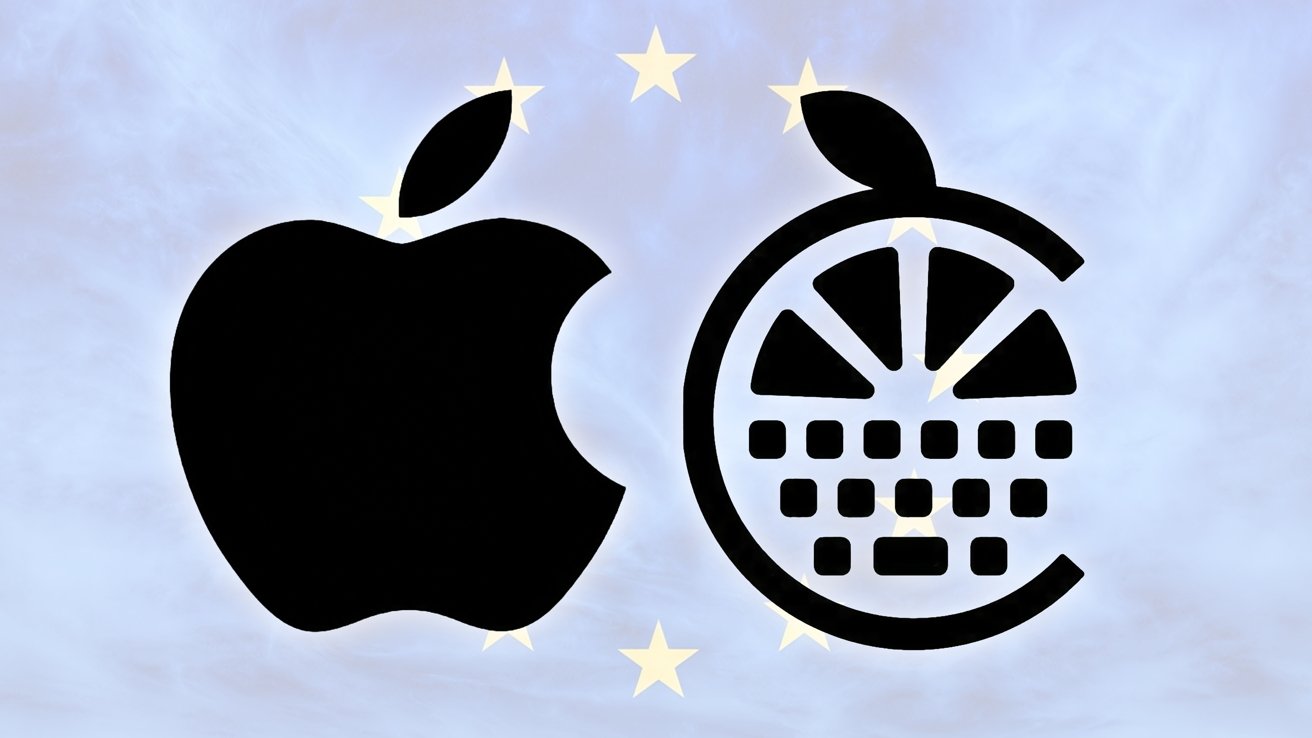
In the bustling digital marketplace, where brands are often as valuable as the products they represent, intellectual property battles are a common, albeit often overlooked, skirmish. Yet, every so often, a case emerges that captures the imagination, revealing the intricate dance between innovation, identity, and legal precedent. Such is the recent saga involving tech titan Apple Inc. and a seemingly innocuous fruit-shaped logo, a dispute that has once again placed the Cupertino giant's formidable legal machinery under the spotlight within the European Union.
At its core, this isn't just a tale of Apples and oranges; it's a profound illustration of how a global powerhouse meticulously guards its brand identity. Apple successfully lobbied the EU Intellectual Property Office (EUIPO) to partially refuse the registration of a new trademark, arguing that its design bore too close a resemblance to Apple's globally recognized, partially bitten apple logo. This move, while perhaps appearing trivial to the uninitiated, is a critical component of Apple's broader strategy to maintain its distinctiveness and prevent any form of brand dilution or consumer confusion.
The Anatomy of a Trademark Dispute
Trademark law is designed to protect consumers from being misled about the origin of goods and services, and to safeguard the investment companies make in building their brand reputation. For a company like Apple, whose logo is instantly recognizable across continents and cultures, any perceived infringement is taken with utmost seriousness. The recent EUIPO decision underscores this vigilance. While the specifics of the applicant and the exact fruit shape in question are often kept confidential in early stages, the principle remains clear: if it looks like an Apple, or even vaguely resembles one in a way that could cause confusion, Apple will likely challenge it.
Apple's legal team is renowned for its proactive and often aggressive defense of its intellectual property. From design patents on user interfaces to utility patents on hardware components, and crucially, trademarks on its iconic branding elements, the company leaves little to chance. This particular case falls squarely into the realm of trademark dilution and likelihood of confusion, two central tenets of trademark law. Dilution occurs when the distinctiveness of a famous mark is weakened by the use of a similar mark, even if there's no direct competition. Likelihood of confusion, on the other hand, assesses whether consumers might mistakenly believe that the new product or service is associated with or endorsed by the original brand.
A History of Assertive Brand Protection
This isn't Apple's first rodeo in the trademark arena, nor will it be its last. The company has a long and storied history of defending its brand, sometimes against seemingly improbable challengers. Consider these notable instances:
* Apple Corps vs. Apple Computer: Perhaps the most famous and protracted legal battle involved The Beatles' record label, Apple Corps, and Apple Computer. This decades-long dispute over the use of the 'Apple' name and logo in music-related fields finally concluded in 2007, with Apple Inc. acquiring all trademark rights related to 'Apple' and licensing them back to Apple Corps. * Swiss Railway Clock: In 2012, Apple paid an undisclosed sum to the Swiss Federal Railways for using a clock design in its iOS operating system that was strikingly similar to the iconic Swiss railway station clock. * Prepear Logo: In 2020, Apple opposed the trademark application of Prepear, a meal-planning app, arguing its pear-shaped logo was too similar to Apple's. While Prepear made slight modifications, the case highlighted Apple's broad interpretation of what constitutes a 'fruit-shaped' infringement.
These examples illustrate a consistent pattern: Apple views its brand identity as a strategic asset of paramount importance, worth defending vigorously, even against smaller entities or seemingly minor resemblances. This strategy is not merely about protecting revenue; it's about preserving the brand equity that has been meticulously built over decades, ensuring that the Apple logo continues to signify innovation, quality, and a premium user experience without ambiguity.
Implications for Businesses and Innovators in the EU
The EUIPO's decision sends a clear message to businesses operating or intending to operate within the European Union: due diligence in trademark clearance is non-negotiable. For startups and smaller companies, this can be a daunting prospect. Developing a unique brand identity that stands out in a crowded market is challenging enough, but ensuring it doesn't inadvertently step on the toes of a global giant like Apple adds another layer of complexity.
* Increased Scrutiny: Any new logo, especially one incorporating natural shapes or common objects, will likely face heightened scrutiny if it bears even a passing resemblance to an established, famous mark. * Legal Costs: Defending against an opposition from a large corporation can be financially crippling for smaller businesses, often forcing them to abandon their chosen branding or incur significant legal fees. * Innovation vs. Protection: This dynamic raises questions about the balance between fostering innovation and robustly protecting existing intellectual property. While strong IP rights encourage innovation by rewarding creators, overly broad interpretations could stifle creativity, particularly for those with limited resources.
Experts often advise businesses to conduct thorough trademark searches early in their branding process, ideally with legal counsel. This proactive approach can identify potential conflicts before significant investment is made in design, marketing, and product development. Furthermore, understanding the nuances of how entities like the EUIPO assess 'similarity' – which goes beyond mere visual identicality to include conceptual and phonetic similarities – is crucial.
The Future of Brand Identity in a Globalized Market
As the global economy becomes increasingly interconnected and digital, the importance of a strong, legally defensible brand identity will only intensify. Companies like Apple, with their vast resources and global reach, will continue to set precedents in how intellectual property is protected and enforced. This latest EUIPO ruling is not an anomaly but rather a continuation of a well-established trend: the vigilant safeguarding of a brand that has become synonymous with a particular aesthetic and technological ethos.
For consumers, this means continued clarity in distinguishing products and services, ensuring that when they see the Apple logo, they know exactly what they are getting. For businesses, it serves as a powerful reminder that creativity must be tempered with legal prudence. The digital orchard is vast, but the most prized fruits are often the most fiercely protected. Navigating this landscape requires not just innovative ideas, but also a deep understanding of the legal fences that define and defend brand territories. The saga of the fruit-shaped logo in the EU is a testament to the enduring power and strategic importance of intellectual property in the 21st century.
Stay Informed
Get the world's most important stories delivered to your inbox.
No spam, unsubscribe anytime.
Comments
No comments yet. Be the first to share your thoughts!