Apple's Unyielding Grip: iPhone Loyalty Soars to 96.4%, Dwarfing Android Retention
A new survey reveals unprecedented loyalty among iPhone users, with a staggering 96.4% planning to stick with Apple for their next upgrade. This figure marks a significant increase from previous years, solidifying Apple's dominant position in customer retention. In stark contrast, Android users are nearly four times more likely to switch brands, highlighting a widening chasm in brand allegiance within the smartphone market. This trend has profound implications for tech giants and consumers alike, reshaping competitive strategies and future innovation.
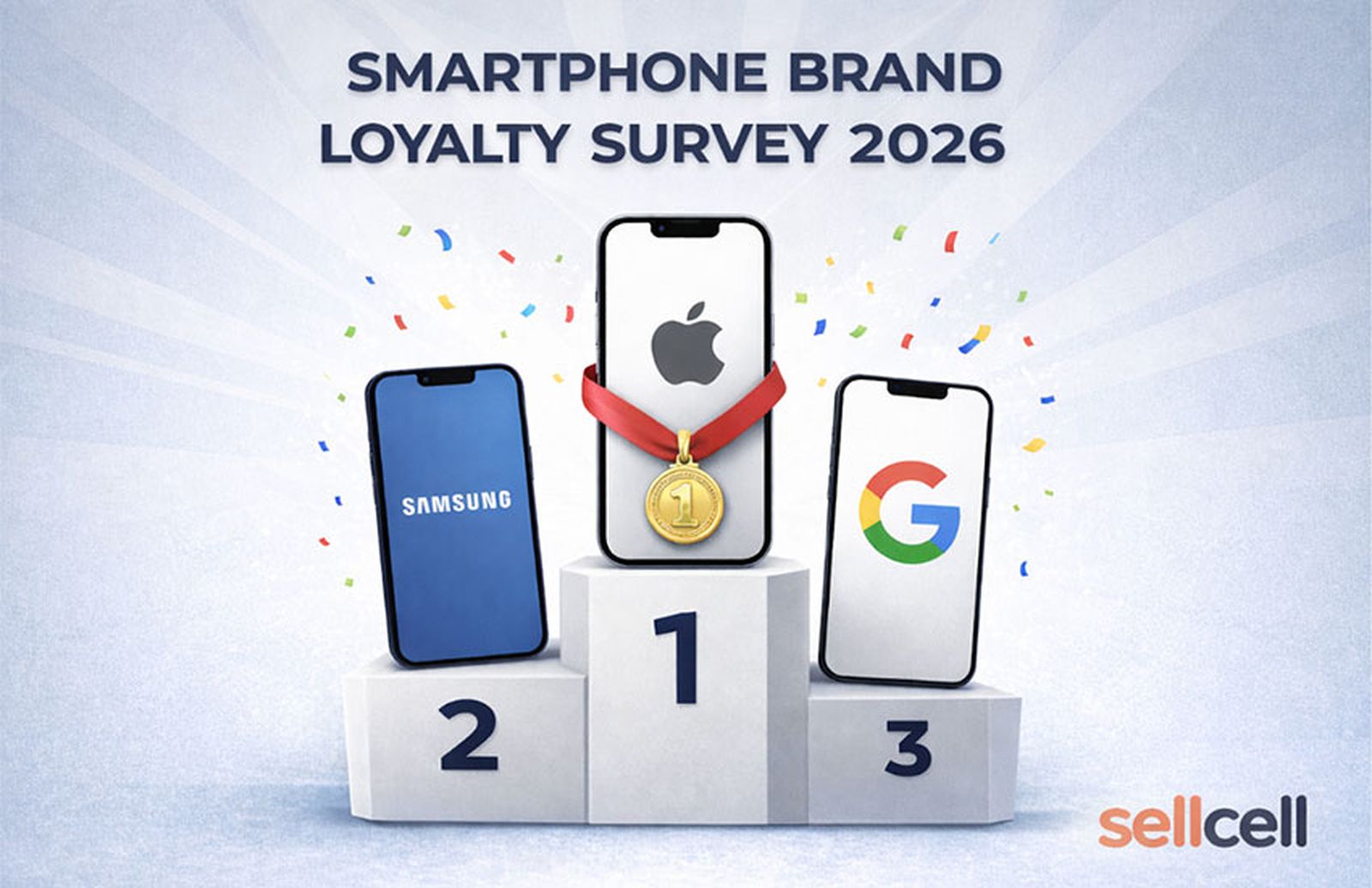
In an increasingly competitive and saturated smartphone market, brand loyalty has become the holy grail for tech giants. A recent survey conducted by phone trade-in site SellCell has unveiled a remarkable phenomenon: iPhone loyalty has reached an all-time high of 96.4%, a figure that not only underscores Apple's enduring appeal but also starkly contrasts with the retention rates seen among its Android counterparts. This unprecedented level of devotion suggests a deeper connection between Apple and its user base, raising critical questions about the future landscape of mobile technology.
The survey's findings are particularly striking when viewed in historical context. Just a few years ago, in 2019, iPhone loyalty stood at a respectable 90.5%, climbing to 91.9% in 2021. The jump to 96.4% represents a significant acceleration in user commitment, indicating that Apple has not only maintained its existing customer base but has also further solidified its position against rivals. This near-unanimous intent to repurchase an iPhone for the next upgrade is a testament to the brand's ecosystem, perceived quality, and user experience.
The Apple Ecosystem: A Golden Cage?
One of the primary drivers behind Apple's formidable loyalty rates is undoubtedly its robust and interconnected ecosystem. From the seamless integration of hardware and software across iPhones, iPads, Macs, and Apple Watches, to services like iCloud, Apple Music, and the App Store, users become deeply embedded in a digital environment that is often difficult and costly to leave. The convenience of features like AirDrop, iMessage, and FaceTime, coupled with the perceived security and privacy benefits, creates a sticky experience that discourages defection. Migrating years of data, learning a new operating system, and losing access to familiar applications and services can be a daunting prospect for many, effectively creating a 'golden cage' that users are content to remain within.
Furthermore, Apple's consistent design language, premium build quality, and strong resale value contribute significantly to customer satisfaction. An iPhone often retains a higher percentage of its original value compared to many Android devices, making upgrades more financially palatable through trade-in programs. This economic incentive, combined with a generally positive user experience, reinforces the decision to stick with the brand.
Android's Loyalty Challenge: A Fragmented Landscape
The survey's findings present a stark contrast when examining the Android ecosystem. While specific loyalty figures for individual Android brands were not detailed in the provided source, the overarching conclusion is that Android users are almost four times more likely to switch brands than iPhone users. This disparity highlights a fundamental difference in the competitive dynamics of the two platforms.
The Android market is characterized by its fragmentation, with numerous manufacturers offering a vast array of devices at various price points and specifications. While this diversity offers consumers unparalleled choice, it also means that no single Android brand commands the same monolithic loyalty as Apple. Users might switch from a Samsung to a Google Pixel, or from an LG to a OnePlus, without necessarily leaving the Android operating system. However, the ease with which they can switch between Android brands suggests that the brand-specific loyalty is weaker, and the underlying OS is more of a commodity.
Factors contributing to lower Android brand loyalty include the rapid pace of innovation from various manufacturers, which can lead to a 'grass is greener' mentality, and less cohesive ecosystem integration compared to Apple. While Google has made strides with its Pixel line and services, the overall Android experience across different brands can vary significantly, leading users to seek better alternatives within the same OS family.
Implications for the Smartphone Market and Beyond
The implications of these loyalty figures are far-reaching. For Apple, this almost impenetrable customer base provides a stable revenue stream, reduces marketing costs associated with customer acquisition, and allows for continued investment in research and development. It also strengthens Apple's negotiating power with suppliers and developers, as access to its loyal user base is highly coveted. The high retention rate means Apple can focus on incremental improvements and ecosystem enhancements, confident that its users will likely upgrade within the brand.
For Android manufacturers, the challenge is clear: how to cultivate a similar level of devotion. This might involve greater emphasis on unique, brand-specific software experiences, stronger ecosystem plays (as Samsung attempts with its SmartThings and DeX platforms), or focusing on niche markets where they can dominate. The battle for market share among Android brands will likely intensify, pushing innovation in specific areas like camera technology, battery life, or foldable designs, in an effort to differentiate and retain users.
Furthermore, these trends could influence the broader tech industry. The 'stickiness' of Apple's ecosystem could make it harder for new entrants or disruptive technologies to gain traction, as they would need to pry users away from a deeply entrenched platform. It also underscores the power of brand identity and the emotional connection consumers form with their devices.
The Future of Mobile Allegiance
Looking ahead, the question remains whether Apple can maintain this extraordinary level of loyalty, and if Android manufacturers can ever truly close the gap. As technology evolves, with advancements in AI, augmented reality, and new form factors, the factors influencing loyalty might shift. However, for now, Apple's strategy of tightly integrating hardware, software, and services has proven to be an incredibly effective bulwark against competition.
The smartphone market is not just about selling devices; it's about selling an experience, a lifestyle, and a sense of belonging. Apple has mastered this art, transforming its products into essential extensions of its users' lives. As we move forward, the focus for all players will be on not just attracting new customers, but, more crucially, on nurturing and retaining the ones they already have, turning them into lifelong advocates in an ever-evolving digital world. The current data suggests Apple is leading this charge with an almost unassailable advantage.
Stay Informed
Get the world's most important stories delivered to your inbox.
No spam, unsubscribe anytime.
Comments
No comments yet. Be the first to share your thoughts!