Artemis II Ignites UK Toy Market: Space Exploration Fuels Surge in STEM Play
The successful return of the Artemis II mission has sparked an unprecedented boom in space-themed toy sales across the UK, with major retailers reporting significant demand spikes. This surge highlights a renewed public fascination with lunar exploration and its profound impact on inspiring the next generation. Experts suggest this trend could signify a broader cultural shift towards STEM engagement, driven by tangible achievements in space.
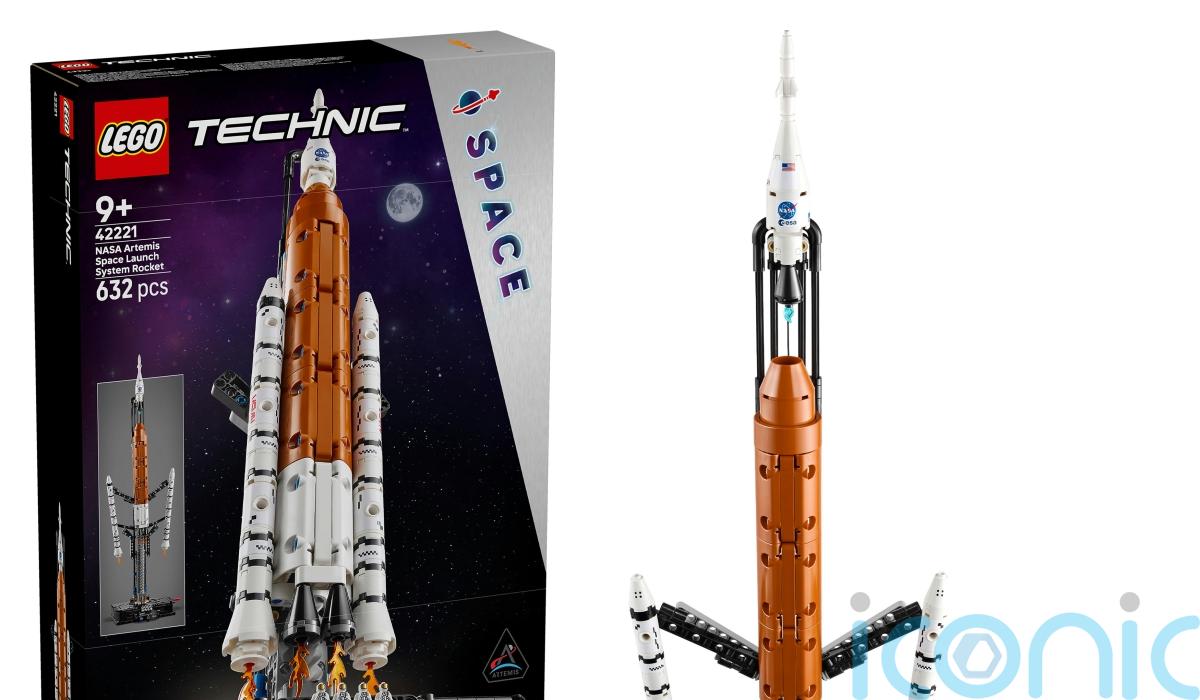
The cosmos has always held a powerful allure, a boundless frontier that ignites imagination and ambition. Yet, few events translate that celestial fascination into tangible consumer trends quite like a successful space mission. The recent, triumphant return of the Artemis II crew from their lunar flyby has done precisely that, sending shockwaves through the UK retail sector, specifically within the realm of children's toys. Retailers across the nation are reporting an unprecedented surge in demand for space-themed merchandise, signaling a profound cultural impact stemming from humanity's renewed journey to the Moon.
Argos, a prominent UK retailer, confirmed a significant spike in sales of space-related toys, including popular Lego sets, immediately following the mission's completion. This isn't merely a fleeting trend; it reflects a deep-seated excitement that has been dormant for decades, now reawakened by the promise of lunar return. The Artemis program, designed to land the first woman and person of color on the Moon, has not only pushed the boundaries of human endeavor but has also inadvertently become a powerful marketing force, inspiring a new generation to look skyward.
The Artemis Effect: From Orbit to Playroom
The impact of the Artemis II mission on the toy market is a fascinating case study in how major global events can shape consumer behavior and cultural interests. For years, space exploration, while always admired, often felt distant and abstract to the general public. The Apollo era, with its iconic moon landings, certainly inspired a generation, but subsequent decades saw a relative decline in public engagement with manned spaceflight, particularly after the Space Shuttle program's conclusion. The Artemis program, however, has managed to recapture that magic, making space exploration feel immediate, exciting, and attainable once more.
Retailers like Argos and Smyths Toys have observed a direct correlation between the mission's milestones and sales figures. "We saw a noticeable uptick in sales of astronaut figures, rocket models, and even educational astronomy kits," stated a spokesperson for a major toy distributor, who wished to remain anonymous. "It's clear that children, and their parents, are being captivated by the images and stories coming out of the Artemis mission. They want to replicate that sense of discovery and adventure in their own homes." This surge isn't limited to traditional toys; sales of STEM-focused kits, including robotics that simulate lunar rovers and coding games that teach orbital mechanics, have also seen a significant boost.
A Historical Echo: The Apollo Legacy Revisited
To understand the current phenomenon, it's crucial to look back at history. The original Apollo missions of the 1960s and early 70s created a similar, if not more intense, cultural wave. The moon landing of Apollo 11 in 1969 wasn't just a scientific achievement; it was a global spectacle that permeated every aspect of popular culture, from fashion to music to, inevitably, toys. Model rockets, astronaut costumes, and lunar lander playsets became ubiquitous. That era fostered a generation of scientists, engineers, and dreamers who were directly inspired by humanity's reach for the stars.
What makes the Artemis effect particularly interesting is its timing. We live in an age saturated with digital entertainment, where virtual worlds often overshadow real-world exploration. Yet, the raw, tangible achievement of sending humans back towards the Moon has cut through the noise, proving that genuine human endeavor still holds immense power to inspire. This suggests that while technology evolves, the fundamental human desire for exploration and discovery remains constant, capable of being re-ignited by compelling narratives and visible achievements.
Beyond Play: Inspiring the Next Generation of STEM Innovators
The implications of this toy sales boom extend far beyond mere commercial success. Educators and futurists alike see this as a critical indicator of renewed interest in Science, Technology, Engineering, and Mathematics (STEM) fields. When children engage with space-themed toys, they are not just playing; they are often subconsciously learning about physics, engineering principles, problem-solving, and the vastness of the universe. A Lego rocket isn't just bricks; it's an introduction to structural integrity and design. An astronaut figure isn't just plastic; it's a symbol of courage and scientific pursuit.
Dr. Eleanor Vance, an educational psychologist specializing in early childhood development, commented, "Play is a child's work. When that play is directed towards themes like space exploration, it cultivates curiosity, critical thinking, and a foundational understanding of scientific concepts. The Artemis mission has provided a powerful, real-world context for these abstract ideas, making them relatable and exciting. This could be instrumental in guiding more young people towards STEM careers in the future." The hope is that today's space-toy enthusiasts will become tomorrow's aerospace engineers, astrophysicists, and astronauts.
The Future is Lunar: Sustaining the Momentum
The challenge now for both space agencies and the toy industry is to sustain this momentum. While the initial surge is impressive, long-term engagement requires continued innovation and public outreach. NASA and its international partners are keenly aware of the need to keep the public invested in the Artemis program, not just through mission updates but also through educational initiatives and compelling storytelling. The toy industry, in turn, will likely respond with even more sophisticated and educational space-themed products, moving beyond simple replicas to interactive experiences that deepen understanding.
As the Artemis program progresses towards its goal of establishing a sustainable human presence on the Moon, the cultural ripple effect is expected to grow. Future missions, including the highly anticipated Artemis III lunar landing, will undoubtedly spark further interest and inspire countless more children to dream of the stars. The current boom in space-related toy sales is more than just a retail trend; it's a tangible manifestation of humanity's enduring fascination with the cosmos and a hopeful sign for the future of scientific exploration and innovation. It underscores the powerful, often underestimated, role that aspirational achievements play in shaping the minds of the next generation, proving that sometimes, the best way to look forward is to look up.
Stay Informed
Get the world's most important stories delivered to your inbox.
No spam, unsubscribe anytime.
Comments
No comments yet. Be the first to share your thoughts!