ASEAN Explores Virtual Diplomacy for Myanmar Re-engagement: A 'Sensible Middle Ground'?
After years of political isolation, Myanmar is tentatively re-engaging with ASEAN through virtual talks, a move analysts deem a 'sensible middle ground' for reconciliation. This diplomatic shift, driven by regional pressures and internal complexities, signals a cautious step towards addressing the nation's protracted crisis. The virtual format allows for dialogue without full legitimization, balancing humanitarian concerns with geopolitical realities. Experts weigh the potential for genuine progress against the challenges of a deeply entrenched military junta.
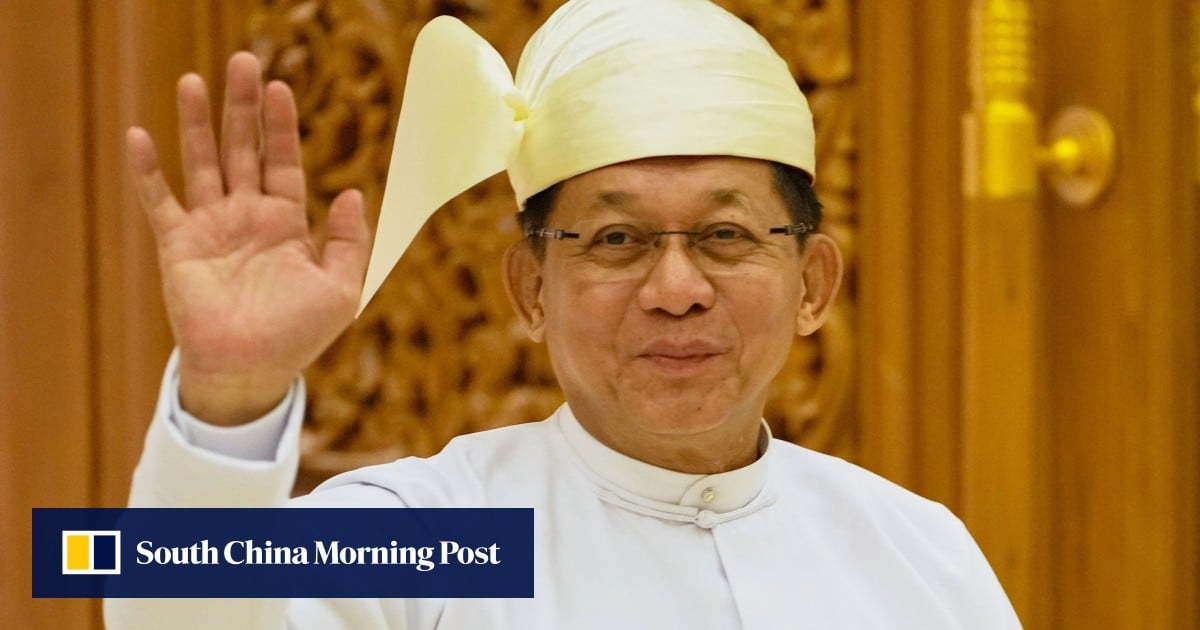
The echoes of isolation that have long defined Myanmar's relationship with the international community, particularly its Southeast Asian neighbors, are beginning to soften. After years in the political wilderness following the 2021 military coup, a new, albeit tentative, pathway for re-engagement is emerging: virtual diplomacy. Analysts are cautiously optimistic, suggesting that these virtual talks could represent a 'sensible middle ground' for reconciliation, allowing dialogue to resume without conferring full legitimacy on the junta. This development, marked by planned virtual meetings between Southeast Asian foreign ministers, signals a complex and delicate balancing act by ASEAN as it navigates the intractable crisis in its member state.
Myanmar’s descent into turmoil began with the February 2021 coup, which overthrew the democratically elected government of Aung San Suu Kyi and plunged the nation into a humanitarian and political catastrophe. The military's brutal crackdown on dissent has led to widespread human rights abuses, a burgeoning civil war, and a severe economic downturn. ASEAN, operating under its principle of non-interference, has struggled to formulate a unified and effective response, often criticized for its perceived inaction. The Five-Point Consensus, agreed upon in April 2021, has seen little to no implementation, highlighting the deep divisions and challenges within the bloc.
The Rationale Behind Virtual Engagement
The decision to pursue virtual talks is not arbitrary; it reflects a pragmatic adaptation to a seemingly intractable problem. For ASEAN, the virtual format offers several strategic advantages. Firstly, it allows for continued engagement with Myanmar's de facto authorities without the contentious optics of high-level, in-person meetings that could be interpreted as legitimizing the junta. This is crucial for member states wary of international condemnation and domestic backlash. Secondly, it provides a platform for humanitarian concerns to be raised and potentially addressed, offering a conduit for aid and diplomatic pressure on issues like political prisoners and civilian protection. Thirdly, it keeps Myanmar within the ASEAN fold, preventing its complete drift into the orbit of other regional powers or further destabilization, which could have wider implications for regional security.
For Myanmar's military regime, the State Administration Council (SAC), virtual engagement offers a lifeline of sorts. It provides a measure of international recognition, however limited, and an opportunity to present its narrative, even if it's often met with skepticism. It also allows them to gauge the international community's appetite for stricter sanctions or interventions, potentially buying them time. However, the junta's primary motivation remains the consolidation of power, and any engagement is likely viewed through that lens.
A History of Isolation and Failed Diplomacy
Myanmar's history is replete with periods of isolation and military rule. From 1962 to 2011, the country was governed by a military junta, leading to decades of international sanctions and pariah status. The brief democratic interlude, from 2011 to 2021, offered hope for a new era, but this was brutally cut short. ASEAN's attempts at mediation during previous crises, such as the 2008 Cyclone Nargis response, have shown mixed results, often hampered by the regime's intransigence and suspicion of outside interference. The current crisis, however, is arguably more profound, with a nationwide resistance movement challenging the military's authority unprecedentedly.
The Five-Point Consensus, which called for an immediate cessation of violence, dialogue among all parties, mediation by an ASEAN special envoy, humanitarian assistance, and a visit by the special envoy to Myanmar, has been largely ignored by the SAC. This failure has frustrated many within ASEAN and beyond, leading to calls for stronger action, including the exclusion of junta representatives from high-level meetings. The virtual talks, therefore, represent a recalibration, a search for a new approach after the failure of previous efforts.
Expert Analysis and Implications
Analysts like Dr. Moe Thuzar, a fellow at the ISEAS-Yusof Ishak Institute, suggest that the virtual format is indeed a 'sensible middle ground'. "It allows for communication channels to remain open, which is vital in a crisis of this magnitude, without granting the regime the full diplomatic legitimacy it craves from in-person summits," she notes. However, others are more skeptical. Dr. Richard Horsey, a senior advisor on Myanmar to the International Crisis Group, warns that while engagement is necessary, it must be carefully managed. "The risk is that these talks become a mere talking shop, allowing the junta to buy time and deflect international pressure without making any substantive concessions," he states. "Any engagement must be tied to clear, measurable outcomes regarding violence reduction and humanitarian access."
The implications of this re-engagement are far-reaching. For the people of Myanmar, it could offer a glimmer of hope for a reduction in violence and improved humanitarian access, though concrete outcomes remain distant. For ASEAN, it represents a continued effort to uphold its centrality in regional affairs and demonstrate its capacity to address internal challenges, albeit with significant limitations. The bloc's credibility is at stake, and its ability to influence the situation in Myanmar will be closely watched by the international community, particularly by major powers like China, India, and the United States, all of whom have vested interests in the region's stability.
The Path Forward: Cautious Optimism and Persistent Challenges
The path to genuine reconciliation in Myanmar is fraught with obstacles. The military junta has shown little inclination to relinquish power or engage in meaningful dialogue with its opponents, including the National Unity Government (NUG). The ongoing civil war continues to exact a heavy toll, and humanitarian needs are escalating. While virtual talks offer a potential avenue for de-escalation and communication, they are unlikely to be a panacea. The fundamental issues of democracy, human rights, and the rule of law remain unaddressed.
Moving forward, ASEAN will need to maintain a delicate balance: engaging the junta sufficiently to prevent further destabilization and address humanitarian concerns, while simultaneously pressuring for genuine political reform and upholding democratic principles. This will require sustained diplomatic effort, internal cohesion within ASEAN, and potentially, stronger coordinated action with international partners. The virtual talks, while a small step, underscore the enduring complexity of the Myanmar crisis and the urgent need for creative, persistent diplomacy to steer the nation away from its current trajectory of conflict and despair. The world watches, hoping that this 'sensible middle ground' can indeed pave the way for a more peaceful and democratic future for Myanmar.
Stay Informed
Get the world's most important stories delivered to your inbox.
No spam, unsubscribe anytime.
Comments
No comments yet. Be the first to share your thoughts!