ASEAN Forges Coordinated Crisis Response Amidst Global Instability
The ongoing Middle East conflict has underscored the vulnerabilities of global supply chains and regional stability, prompting ASEAN nations to develop a more robust and coordinated crisis response. The bloc is reportedly advancing plans for a contingency framework that includes emergency fuel sharing and safeguarding freedom of navigation. This proactive strategy aims to insulate Southeast Asia from future external shocks and reinforce its collective resilience.
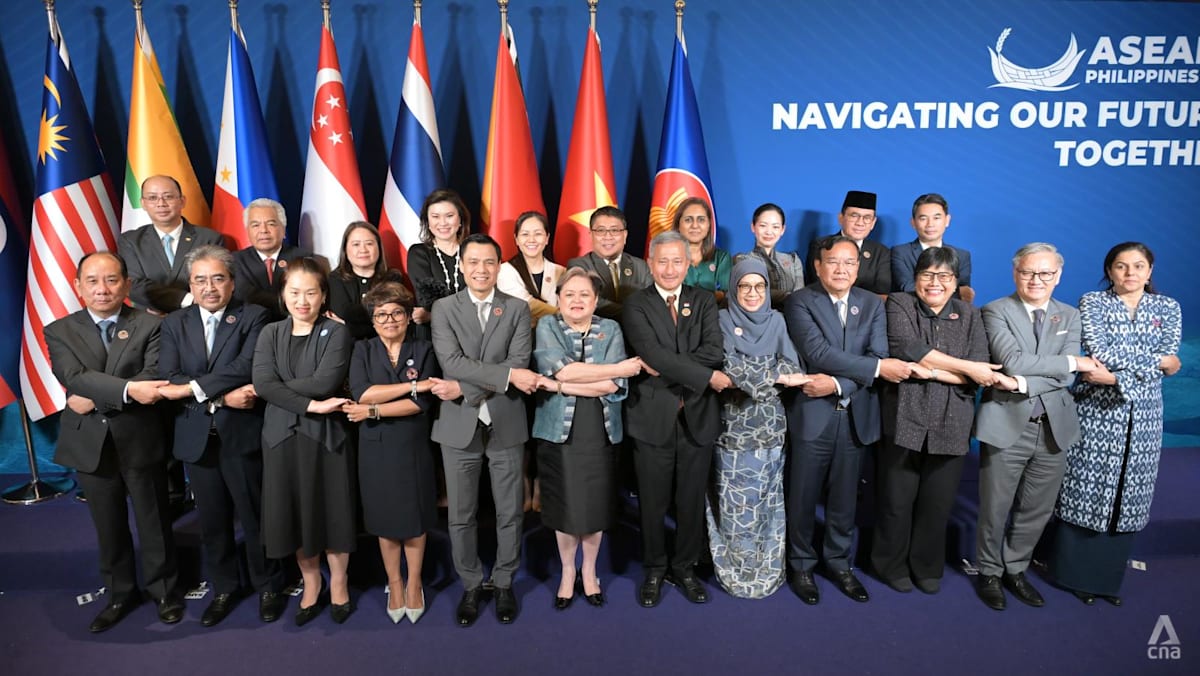
The geopolitical tremors emanating from the Middle East, particularly the recent conflicts and their ripple effects on global energy supplies and maritime trade, have served as a stark wake-up call for the Association of Southeast Asian Nations (ASEAN). Long a bastion of economic dynamism and relative stability, the ten-member bloc is now actively pursuing a more unified and comprehensive strategy to insulate itself from future international crises. This proactive stance, born from the lessons of disrupted supply chains and volatile markets, signals a significant evolution in ASEAN's approach to regional security and economic resilience.
The Imperative for Collective Action
The Middle East conflict, with its direct impact on oil prices, shipping routes, and global commodity markets, has highlighted Southeast Asia's inherent vulnerabilities. Despite its geographic distance, the region is deeply intertwined with global trade networks, relying heavily on energy imports and maintaining crucial maritime corridors. Disruptions in key chokepoints, such as the Suez Canal or the Strait of Hormuz, can lead to cascading economic consequences, from inflationary pressures to supply shortages. This realization has spurred ASEAN leaders to move beyond individual national responses towards a more integrated, bloc-wide contingency plan.
Historically, ASEAN has often operated on a consensus-driven, non-interference principle, which, while fostering regional harmony, has sometimes limited its ability to respond swiftly and decisively to external shocks. However, the scale and interconnectedness of modern crises demand a different approach. The proposed contingency plan reportedly encompasses critical elements such as emergency fuel sharing mechanisms among member states, ensuring that no single nation is left critically exposed during energy supply disruptions. Furthermore, a strong emphasis is being placed on upholding freedom of navigation, a principle vital for trade-dependent economies and crucial for maintaining open sea lanes through which a significant portion of global commerce flows. This collective commitment to maritime security is not merely about economic interests; it's also about reinforcing regional stability and deterring potential threats to vital shipping routes.
Building a Robust Framework: Key Pillars of ASEAN's Plan
The emerging ASEAN crisis response framework is multifaceted, designed to address various dimensions of potential future upheavals. One of its cornerstones is the aforementioned energy security initiative. By establishing protocols for mutual assistance in fuel supply, ASEAN aims to create a buffer against sudden price spikes or supply interruptions. This could involve coordinated strategic reserves, preferential trading agreements during emergencies, and shared logistics for distribution. Such a mechanism would significantly reduce the economic shockwaves felt by individual member states and strengthen the bloc's collective bargaining power on the international energy market.
Another critical pillar is the safeguarding of maritime trade routes. Southeast Asia sits astride some of the world's busiest shipping lanes, including the Strait of Malacca, a vital artery for global commerce. Any threat to these routes, whether from geopolitical tensions, piracy, or natural disasters, poses an existential risk to the region's economies. ASEAN's plan includes enhanced cooperation on maritime surveillance, intelligence sharing, and joint exercises to ensure the continuous flow of goods. This commitment underscores the understanding that economic prosperity is inextricably linked to the security of the seas.
Beyond energy and maritime security, the framework is expected to incorporate broader aspects of economic resilience. This includes mechanisms for coordinating responses to financial market volatility, ensuring food security through regional stockpiles and trade agreements, and even potentially harmonizing health protocols in the event of future pandemics. The overarching goal is to create a comprehensive safety net that can absorb and mitigate the impact of diverse crises, from geopolitical conflicts to climate-related disasters. The discussions are likely to involve senior foreign and economic officials, reflecting the integrated nature of these challenges.
Historical Context and Future Implications
ASEAN's journey towards greater integration has been a gradual one. Founded in 1967, the organization initially focused on political stability and fostering economic cooperation among its diverse members. Over the decades, it has evolved into a significant regional player, establishing the ASEAN Economic Community (AEC) in 2015, which aims to create a single market and production base. However, the AEC's full potential has often been hampered by non-tariff barriers, differing regulatory environments, and a reluctance to cede national sovereignty on certain issues. The current push for a coordinated crisis response represents a new chapter, one where the urgency of external threats is compelling deeper practical cooperation.
This move also reflects a growing awareness among ASEAN leaders of the region's strategic importance in a multipolar world. As global power dynamics shift, Southeast Asia finds itself at the nexus of major geopolitical rivalries. By strengthening its internal resilience and capacity for collective action, ASEAN aims to enhance its agency and maintain its strategic autonomy. A more unified and resilient ASEAN can better navigate complex international relations, engage with major powers from a position of strength, and advocate for its collective interests on the global stage.
For businesses and investors, a more coordinated ASEAN response translates into greater predictability and reduced risk. Knowing that the region has robust mechanisms in place to handle disruptions can instill confidence, encouraging continued investment and trade. For the citizens of ASEAN, it means greater stability in essential supplies, more resilient economies, and a stronger collective voice in a turbulent world. The discussions and plans currently underway in forums like the ASEAN Economic Ministers' meeting or the ASEAN Regional Forum are not merely bureaucratic exercises; they are foundational steps towards securing the future prosperity and stability of over 660 million people.
Conclusion: A New Era of ASEAN Resilience
The lessons from the Middle East conflict are clear: in an increasingly interconnected and volatile world, no nation can afford to face crises in isolation. ASEAN's pivot towards a more coordinated and comprehensive crisis response marks a pivotal moment for the bloc. By prioritizing emergency fuel sharing, upholding freedom of navigation, and building broader economic resilience, ASEAN is not just reacting to current events; it is proactively shaping its future. This commitment to collective action underscores a maturing regional identity and a pragmatic recognition that shared challenges demand shared solutions. As the world continues to grapple with geopolitical uncertainties and economic turbulence, a unified and resilient ASEAN stands poised to navigate these complexities, safeguarding its prosperity and contributing to global stability.
Stay Informed
Get the world's most important stories delivered to your inbox.
No spam, unsubscribe anytime.
Comments
No comments yet. Be the first to share your thoughts!