Asia's Biofuel Revolution: How the Iran War Ignited a Sustainable Energy Shift
The closure of the Strait of Hormuz due to the Iran war sent shockwaves through global energy markets, hitting Asia particularly hard. Skyrocketing fossil fuel prices, exemplified by a tripling of LPG costs for ordinary citizens, forced an urgent reevaluation of energy security. This crisis has inadvertently accelerated a massive, government-backed shift towards biofuels across the continent, promising both environmental benefits and renewed geopolitical stability.
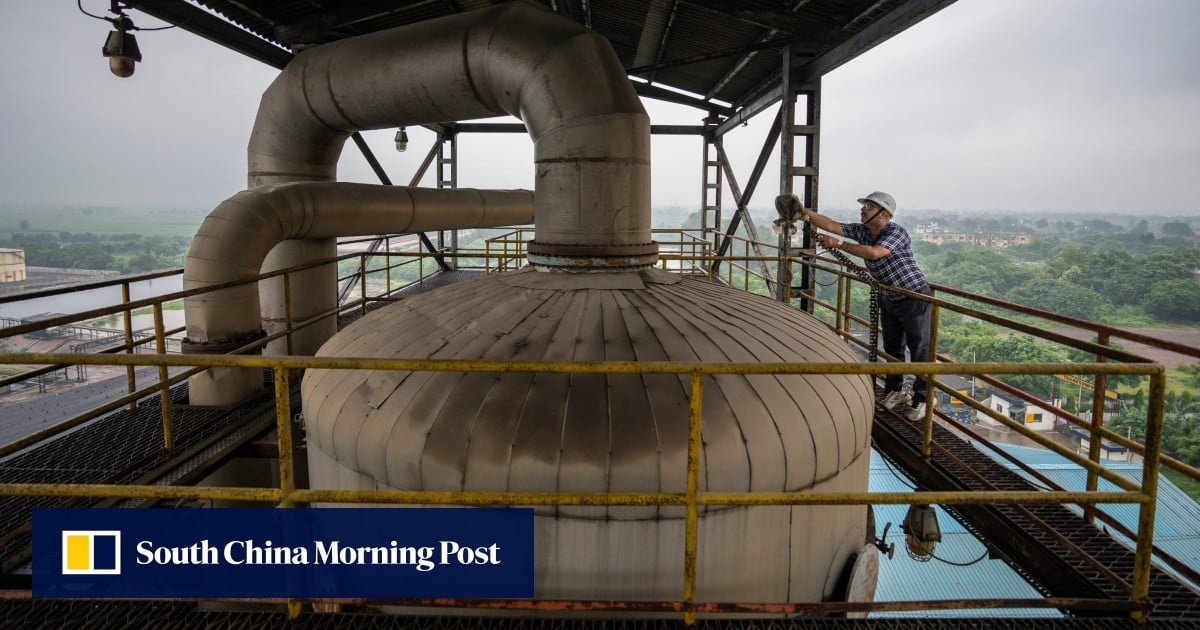
The Strait of Hormuz, a narrow choke point through which a significant portion of the world's oil supply passes, has long been a geopolitical flashpoint. When the Iran war led to its closure, the reverberations were immediate and devastating, particularly for energy-hungry Asian nations. This crisis, while initially catastrophic, has paradoxically catalyzed one of the most significant energy transformations in recent history: a rapid, large-scale pivot towards biofuels across the Asian continent. What began as an emergency response to fossil fuel scarcity and exorbitant prices is now evolving into a long-term strategy for energy independence and environmental sustainability.
The Immediate Fallout: A Continent in Crisis
For millions across Asia, the impact of the Strait's closure was not an abstract geopolitical event but a deeply personal financial burden. Ranjan, a small business owner, articulated this stark reality, lamenting a threefold increase in the cost of liquid petroleum gas (LPG). "I used to get a cylinder of LPG for 1,000 rupees (US$10), now I pay 3,000 rupees," he stated, a sentiment echoed by countless households and industries. This dramatic price surge, coupled with severe delivery delays, brought daily life and economic activity to a grinding halt in many regions. Factories struggled to maintain operations, transportation costs soared, and the cost of living escalated sharply, pushing vulnerable populations further into poverty.
The reliance on imported fossil fuels, particularly from the Middle East, had long been a strategic vulnerability for Asian economies. Nations like India, China, Japan, and South Korea, all major energy importers, found their supply chains fractured and their economies exposed. The crisis underscored the precariousness of global energy dependence and ignited a fierce urgency to find alternative, domestically sourced solutions. Governments, initially scrambling to secure emergency fuel supplies, quickly recognized the need for a more fundamental shift.
The Biofuel Imperative: A Strategic Pivot
In the wake of the fossil fuel shock, biofuels emerged as a compelling solution. Unlike traditional fossil fuels, which are finite and often sourced from politically volatile regions, biofuels can be produced from a variety of organic materials, including agricultural waste, dedicated energy crops, and even algae. This offers the dual advantage of enhancing energy security through domestic production and reducing carbon emissions, aligning with global climate goals.
Several Asian nations have swiftly moved to implement ambitious biofuel programs:
* India: Already a leader in renewable energy, India accelerated its ethanol blending program, aiming for a 20% blend in gasoline. The government also invested heavily in second-generation biofuel technologies, utilizing agricultural residues to produce fuel, thereby also addressing the issue of crop waste. * Indonesia and Malaysia: As major palm oil producers, these nations intensified their biodiesel mandates. Indonesia, in particular, pushed for a B30 (30% palm oil biodiesel blend) and even explored B40, leveraging its abundant natural resources to reduce diesel imports. * Thailand: Focused on ethanol production from cassava and sugarcane, Thailand expanded its blending targets and offered incentives for farmers to cultivate energy crops. * China: While a massive coal consumer, China also ramped up its biofuel research and development, particularly in advanced biofuels from non-food sources, aiming to diversify its energy mix and reduce urban pollution.
This rapid adoption is not merely a knee-jerk reaction but a calculated strategic pivot. By developing robust domestic biofuel industries, these countries aim to insulate themselves from future global energy shocks, stabilize domestic fuel prices, and create new agricultural value chains.
Economic and Environmental Dividends
The shift to biofuels is yielding significant economic and environmental benefits. Economically, it has created new industries and employment opportunities in rural areas, particularly in agriculture. Farmers, previously struggling with fluctuating crop prices, now have a stable market for energy crops or agricultural waste. Furthermore, reducing fossil fuel imports lessens the strain on national treasuries, improving trade balances and strengthening local currencies.
Environmentally, biofuels offer a pathway to reduced greenhouse gas emissions. While the full lifecycle emissions of biofuels are debated, especially those from food crops, the emphasis on second-generation biofuels (derived from non-food biomass) and advanced biofuels (from algae or waste) promises substantial carbon footprint reductions. This aligns perfectly with the commitments made under the Paris Agreement and helps combat air pollution in densely populated urban centers.
Challenges and the Road Ahead
Despite the clear advantages, the biofuel revolution in Asia is not without its challenges. Concerns persist regarding land use, particularly for crop-based biofuels, and the potential impact on food security. Sustainable sourcing of biomass, efficient conversion technologies, and robust infrastructure for distribution remain critical hurdles. The initial investment required for new biofuel refineries and supply chains is substantial, necessitating continued government support and private sector engagement.
Moreover, the geopolitical landscape remains complex. While biofuels reduce reliance on Middle Eastern oil, they introduce new dependencies on agricultural markets and potentially on specific technology providers. The long-term sustainability of various biofuel feedstocks also requires continuous monitoring and adaptation.
A New Energy Paradigm for Asia
The Iran war's disruption of the Strait of Hormuz served as a harsh, albeit effective, catalyst for change. What began as an acute crisis has transformed into a powerful impetus for a more resilient and sustainable energy future for Asia. The continent, once highly vulnerable to global fossil fuel shocks, is now actively forging a path towards greater energy independence through the strategic embrace of biofuels. This shift represents more than just an alternative fuel source; it signifies a fundamental reorientation of energy policy, with profound implications for economic development, environmental protection, and geopolitical stability in the 21st century. As Asian nations continue to invest in research, infrastructure, and sustainable practices, the biofuel revolution promises to redefine the region's energy landscape, proving that even the most severe crises can sow the seeds of transformative progress.
Stay Informed
Get the world's most important stories delivered to your inbox.
No spam, unsubscribe anytime.
Comments
No comments yet. Be the first to share your thoughts!