Asus ROG Unveils Next-Gen Gaming Monitors: QD-OLED Immersion and Innovative Secondary Display
Asus ROG has introduced two groundbreaking gaming monitors: the Strix OLED XG34WCDMS, a 34-inch curved ultrawide QD-OLED display promising unparalleled visual fidelity and speed, and the Strix XG129C, a unique 12.3-inch secondary touchscreen. These new offerings push the boundaries of gaming immersion and system monitoring, catering to both hardcore gamers and productivity enthusiasts. PulseWorld delves into the technology and implications of these highly anticipated releases.
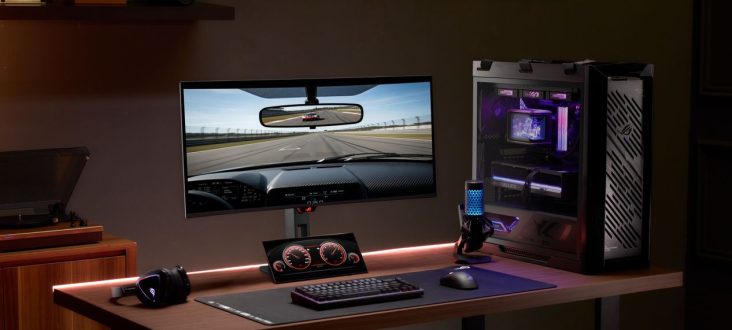
In the ever-evolving landscape of gaming technology, innovation is the lifeblood that fuels competitive edges and immersive experiences. Asus ROG, a name synonymous with cutting-edge gaming hardware, has once again captured the attention of enthusiasts and professionals alike with the announcement of two remarkable new monitors: the ROG Strix OLED XG34WCDMS and the ROG Strix XG129C. These releases are not merely incremental upgrades; they represent a significant leap forward in display technology, promising to redefine how gamers interact with their virtual worlds and manage their digital workspaces.
The XG34WCDMS, a 34-inch curved ultrawide display, is poised to become a benchmark for high-performance gaming. Its most striking feature is the integration of a high-refresh-rate RGB Tandem QD-OLED panel, a technology that combines the perfect blacks and infinite contrast of OLED with the vibrant color accuracy and brightness of Quantum Dot. This fusion aims to deliver a visual experience that is both breathtakingly beautiful and incredibly responsive. Complementing this flagship is the XG129C, a more niche but equally innovative 12.3-inch secondary touchscreen. Designed for system monitoring, streaming controls, or even as a dedicated productivity tool, this compact display hints at a future where our digital interfaces are more modular and adaptable than ever before. PulseWorld takes a deep dive into what these monitors mean for the future of gaming and computing.
The Dawn of QD-OLED Dominance: ROG Strix OLED XG34WCDMS
The ROG Strix OLED XG34WCDMS is undoubtedly the star of this dual announcement. Its 34-inch ultrawide form factor, with an aggressive curve, immediately signals its intent to envelop the user in their digital environment. But it's the panel technology that truly sets it apart. QD-OLED (Quantum Dot Organic Light Emitting Diode) is a relatively new contender in the display arena, aiming to surpass traditional OLEDs in key areas. While OLEDs are renowned for their per-pixel illumination, offering true blacks and incredible contrast, they can sometimes struggle with peak brightness and color volume, especially in bright room conditions. QD-OLED addresses these limitations by using quantum dots to convert blue OLED light into red and green, resulting in a purer, more efficient light emission. This translates to higher peak brightness, superior color volume, and wider viewing angles without sacrificing the instantaneous response times and perfect blacks that make OLED so desirable for gaming.
For gamers, the implications are profound. Imagine exploring vast open worlds where every shadow is perfectly rendered, every explosion bursts with vivid, true-to-life colors, and fast-paced action sequences unfold with buttery-smooth clarity, free from motion blur or ghosting. The high refresh rate, though not yet fully specified, is expected to be competitive, likely pushing into the 144Hz to 240Hz range, ensuring that every frame is delivered with precision. The ultrawide aspect ratio (typically 21:9) further enhances immersion, providing a panoramic view that can be a significant advantage in competitive titles and a delight in cinematic single-player experiences. This monitor isn't just about playing games; it's about living them.
The Rise of the Secondary Screen: ROG Strix XG129C
While the XG34WCDMS caters to the core visual experience, the ROG Strix XG129C represents a different, yet equally compelling, direction in display innovation. This 12.3-inch secondary touchscreen is a testament to the increasing complexity of modern gaming and computing setups. Gone are the days when a single monitor sufficed for every task. Streamers need dedicated screens for chat and OBS, content creators require extra real estate for timelines and asset libraries, and power users often juggle multiple applications simultaneously. The XG129C steps into this role with a compact, versatile form factor.
Its touchscreen capabilities open up a host of possibilities. Imagine having critical system performance metrics (CPU temperature, GPU usage, frame rates) displayed prominently and interactively, allowing for quick adjustments without alt-tabbing out of a game. For streamers, it could serve as a dedicated control panel for stream elements, chat moderation, or even a quick-access soundboard. Its potential extends beyond gaming, too; it could be an invaluable tool for professional applications, acting as a dedicated palette for graphic designers, a quick-reference display for programmers, or a portable control surface for audio engineers. The trend towards multi-monitor setups has been growing for years, and the XG129C offers a refined, specialized solution for those who need more than just another large display – they need an intelligent, interactive companion.
The Broader Context: Display Technology's Evolution
The announcement of these monitors comes at a pivotal time for display technology. The past decade has seen rapid advancements, from the widespread adoption of high refresh rates and adaptive sync technologies (NVIDIA G-Sync, AMD FreeSync) to the emergence of HDR (High Dynamic Range) and the battle between IPS, VA, and OLED panel types. QD-OLED is the latest frontier, promising to combine the best attributes of several technologies while mitigating their weaknesses. This push for ever-better visual fidelity and responsiveness is driven by both technological capability and consumer demand. As games become more graphically intensive and immersive, the hardware required to fully appreciate them must keep pace.
Asus ROG's strategy here is clear: cater to both the premium, no-compromise segment with the XG34WCDMS and the innovative, utility-focused segment with the XG129C. This dual approach ensures they remain at the forefront of the market, addressing a wide range of user needs and preferences. The integration of advanced cooling solutions, ergonomic stands, and robust connectivity options (which are standard for ROG products) will further solidify their appeal. However, the premium nature of these technologies, especially QD-OLED, suggests that these monitors will likely command a higher price point, positioning them as aspirational products for many.
Looking Ahead: The Future of Gaming Displays
The introduction of the ROG Strix OLED XG34WCDMS and XG129C paints a vivid picture of the future of gaming and computing displays. We are moving towards a landscape where visual immersion is paramount, driven by technologies like QD-OLED that offer unprecedented contrast, color, and speed. Simultaneously, the rise of specialized secondary displays like the XG129C indicates a growing demand for more intelligent, modular, and interactive interfaces that seamlessly integrate into our workflows. These devices are not just screens; they are gateways to richer digital experiences, tools for enhanced productivity, and canvases for creative expression.
Asus ROG's latest offerings demonstrate a keen understanding of these evolving needs. The XG34WCDMS promises to deliver a truly next-generation gaming experience, while the XG129C offers a glimpse into a more efficient and personalized digital workspace. While pricing and exact availability details are still eagerly awaited, it's clear that these monitors are set to make a significant impact, pushing the boundaries of what's possible and setting new standards for display technology in the years to come. The future of gaming looks brighter, sharper, and more interactive than ever before.
Stay Informed
Get the world's most important stories delivered to your inbox.
No spam, unsubscribe anytime.
Comments
No comments yet. Be the first to share your thoughts!