Bangladesh's Garment Workers Face Deadly Heat Amid Power Cuts and Climate Inaction
Bangladesh's vital garment industry is grappling with a severe crisis as frequent power cuts exacerbate extreme heat, pushing workers to their physical limits. Despite global brands acknowledging climate impacts, funding for worker protection remains scarce, leaving many factories ill-equipped to prevent heat exhaustion. This report delves into the systemic failures and urgent need for concrete action to safeguard the health and rights of millions of garment workers.
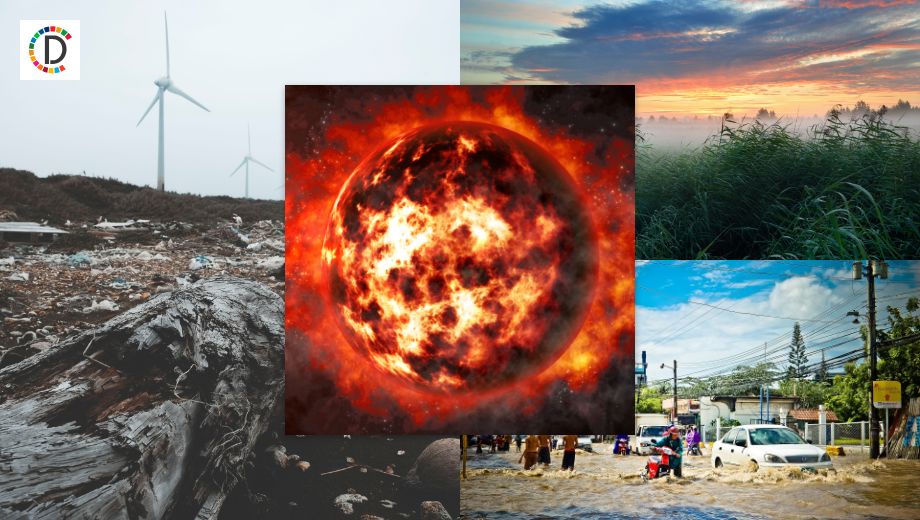
The sweltering heat in Bangladesh, a nation already vulnerable to climate change, is becoming a deadly threat to its millions of garment workers. As frequent power cuts cripple factories' cooling systems, the very backbone of the country's economy finds itself in a precarious state. This isn't just an inconvenience; it's a humanitarian crisis unfolding on factory floors, where men and women toil for global brands, often without basic protections against extreme heat. The intersection of climate vulnerability, energy instability, and corporate inaction is creating a perfect storm, pushing workers to the brink of heat exhaustion and illness.
The Unbearable Burden of Heat
Bangladesh's garment industry is the world's second-largest exporter, employing over four million people, predominantly women. These workers are the engine of a multi-billion-dollar industry, producing clothes for major global retailers. However, their working conditions are increasingly perilous. Temperatures inside factories, already high, soar to dangerous levels when electricity outages halt fans, air conditioning, and ventilation systems. "Some factories do not even provide oral rehydration salts and medical treatment for those who get sick," recounts Manir Sikder, a worker in Gazipur, highlighting a shocking lack of basic care.
This dire situation is not new, but it's intensifying. Climate change is bringing more frequent and severe heatwaves, while Bangladesh's energy infrastructure struggles to keep pace with demand, leading to planned and unplanned power cuts. For workers enduring 10-12 hour shifts, often in poorly ventilated spaces, the combination is lethal. Symptoms like dizziness, nausea, headaches, and fainting are common, indicative of heat stress and heat exhaustion. Left untreated, these can escalate to heatstroke, a life-threatening condition.
A Global Problem, Local Suffering
A February report by Stand.earth, Oxfam, and the Bangladesh Center for Worker Solidarity (BCWS) starkly revealed that while five major global brands recognized the importance of adapting to climate impacts, "little funding was available to help workers cope with issues like heat stress." This highlights a critical disconnect: brands benefit immensely from cheap labor, yet often fail to invest adequately in the well-being of the workers who make their profits possible. The report underscores a systemic failure where the burden of climate change adaptation is disproportionately borne by the most vulnerable.
The global supply chain model often shields brands from direct responsibility. They outsource production to local factories, which then face pressure to keep costs low. Implementing heat adaptation measures – such as installing better cooling systems, providing hydration stations, offering cooling breaks, or even adjusting shift timings – requires investment. Without financial support or stringent requirements from their international buyers, many factories are reluctant or unable to make these crucial changes. This creates a moral hazard where the pursuit of profit overshadows human dignity and safety.
The Slow Pace of Adaptation and Legal Gaps
Despite the clear and present danger, the implementation of heat adaptation plans in Bangladesh's garment sector has been agonizingly slow. While some progressive factories might have initiated measures, the vast majority lag behind. Experts emphasize that legal safeguards and brand support are not just desirable but absolutely necessary. Bangladesh's labor laws, while existing, often lack specific provisions or enforcement mechanisms tailored to extreme heat conditions. There's a need for clear regulations on maximum indoor temperatures, mandatory cooling breaks, access to water and rehydration salts, and immediate medical attention for heat-related illnesses.
Furthermore, the lack of transparency in supply chains makes it difficult to hold brands accountable. Consumers, often unaware of the conditions under which their clothes are made, inadvertently contribute to a system that perpetuates exploitation. Advocacy groups are pushing for greater supply chain transparency and due diligence legislation in consumer countries, which would compel brands to ensure ethical practices throughout their production networks, including safeguarding workers from climate impacts.
Economic Imperatives and Human Rights
The economic implications of this crisis are profound. A workforce suffering from heat stress is less productive, leading to decreased output and potential disruptions in global supply chains. Illnesses and injuries due to heat also increase healthcare costs and absenteeism. In the long run, ignoring worker welfare undermines the sustainability of the entire industry. From a human rights perspective, denying workers a safe and healthy working environment is a fundamental violation. The right to work should not come at the cost of one's health or life.
Bangladesh's government, factory owners, and international brands all have a shared responsibility. The government must strengthen and enforce labor laws, ensuring that factories comply with safety standards related to heat. Factory owners must prioritize worker well-being over short-term profits, investing in necessary infrastructure and protocols. And global brands, with their immense financial power and influence, must step up. This means providing financial assistance, setting stringent ethical sourcing standards, and actively monitoring compliance. It's not enough to recognize the problem; concrete action and investment are required.
A Call for Collective Action and a Sustainable Future
The crisis facing Bangladesh's garment workers is a stark reminder that climate change is not a distant threat but a present reality with immediate human costs. The interconnectedness of global supply chains means that the choices made by consumers in London or New York have direct consequences for workers in Dhaka. Moving forward, a multi-faceted approach is essential.
This includes: * Increased financial aid from brands to factories for climate adaptation measures. * Robust legal frameworks and effective enforcement by the Bangladeshi government. * Worker empowerment through unions and advocacy groups to voice their concerns and demand better conditions. * Consumer awareness and demand for ethically produced goods. * Investment in renewable energy to stabilize power supply and reduce reliance on fossil fuels, thereby mitigating both climate change and power cuts.
The plight of Bangladesh's garment workers is a litmus test for the global commitment to climate justice and labor rights. Ensuring their safety and well-being is not just a moral imperative; it is crucial for building a resilient, equitable, and sustainable global economy. The world watches as Bangladesh grapples with this challenge, hoping for a future where profit does not come at the expense of human lives and dignity.
Stay Informed
Get the world's most important stories delivered to your inbox.
No spam, unsubscribe anytime.
Comments
No comments yet. Be the first to share your thoughts!