Beyond Trump's Rhetoric: The Clinton Blueprint for Russian Withdrawal from the Baltics
While former President Trump's promises to end the Ukraine war have fallen flat, a look back at the early 1990s reveals a successful diplomatic strategy. President Bill Clinton, through a combination of shrewd diplomacy, financial incentives, and deep regional expertise, orchestrated Russia's withdrawal from the Baltic States. This historical precedent offers crucial lessons for contemporary international relations and the ongoing conflict in Ukraine, highlighting the power of sustained, nuanced engagement over simplistic ultimatums.
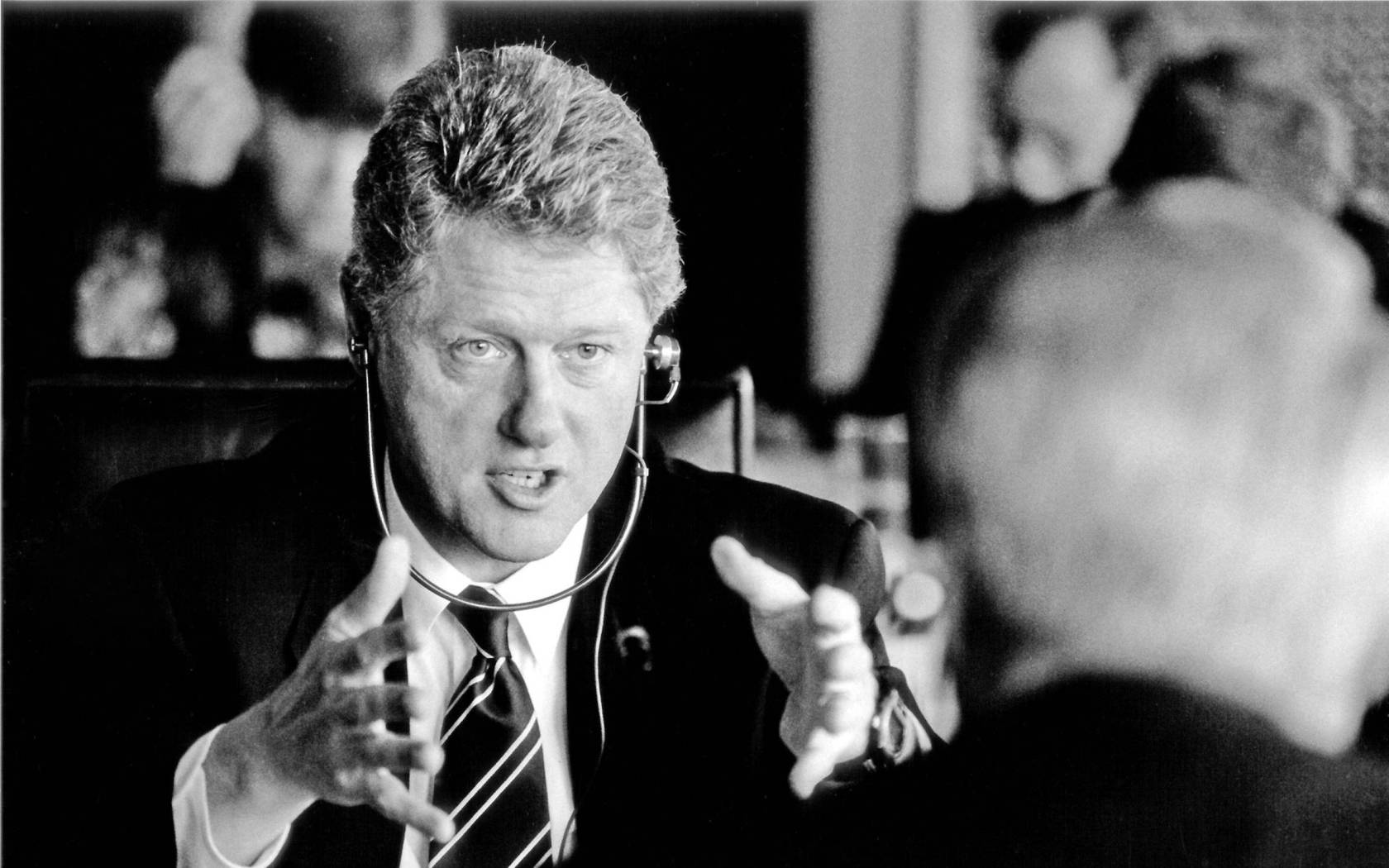
In the tumultuous landscape of post-Cold War Europe, as newly independent nations grappled with their sovereignty, a significant diplomatic triumph unfolded that offers profound lessons for today's geopolitical challenges. While recent promises to swiftly resolve complex international conflicts, such as the Russia-Ukraine war, have proven to be mere rhetoric, the early 1990s saw a masterclass in international statecraft. President Bill Clinton, facing the formidable task of securing stability in a rapidly changing Eastern Europe, successfully engineered the complete withdrawal of Russian troops from the newly independent Baltic States – Estonia, Latvia, and Lithuania. This achievement, often overlooked in modern discourse, stands in stark contrast to the current stalemates and underscores the power of strategic diplomacy, financial leverage, and deep regional understanding.
A Legacy of Occupation and the Path to Freedom
For decades, the Baltic States had endured Soviet occupation, a dark chapter that only ended with the collapse of the Soviet Union in 1991. However, the departure of the Soviet empire did not immediately mean the departure of its military. Tens of thousands of Russian troops remained stationed in these fledgling democracies, a constant reminder of past subjugation and a significant threat to their newfound independence. The presence of these forces was not merely a symbolic issue; it was a practical impediment to the Baltics' integration into Western institutions and a source of profound insecurity. For the Baltic nations, the complete withdrawal of Russian forces was the absolute cornerstone of their sovereignty.
President Clinton inherited this complex geopolitical puzzle. Unlike the simplistic pronouncements of some modern leaders, Clinton understood that resolving such deeply entrenched issues required more than just strong words. It demanded a multifaceted approach that acknowledged Russia's internal struggles, its historical grievances, and its security concerns, while simultaneously upholding the principles of national sovereignty and self-determination for the Baltic States. The challenge was immense: how to convince a proud, albeit weakened, former superpower to relinquish its military presence in strategically important territories without resorting to conflict or alienating a crucial global player.
Clinton's Diplomatic Masterclass: Carrots, Sticks, and Expertise
Clinton's strategy was a carefully calibrated blend of incentives and pressure, underpinned by an unwavering commitment to the Baltics' independence. Key elements included:
* Financial Aid and Economic Incentives: Russia, reeling from the economic collapse of the Soviet Union, was desperate for financial assistance. The U.S. and its allies offered substantial aid packages, but these were often implicitly or explicitly linked to progress on troop withdrawals. For instance, the U.S. provided housing assistance for Russian officers returning home, a crucial incentive given the dire living conditions in parts of Russia at the time. This demonstrated a pragmatic understanding of Russia's internal challenges, offering a 'carrot' that addressed a genuine need. * Diplomatic Pressure and International Coalitions: The U.S. did not act alone. Clinton worked tirelessly to build a strong international consensus, leveraging the support of European allies and international organizations like the United Nations and the then-fledgling NATO. This collective pressure underscored the global community's expectation for Russia to respect the sovereignty of its neighbors, making it harder for Moscow to resist without facing widespread condemnation and isolation. * Deep Regional Expertise: The Clinton administration drew heavily on a cadre of experienced diplomats and regional specialists who possessed an intimate understanding of Russian history, culture, and political dynamics. This expertise allowed for nuanced negotiations, anticipating Russian concerns and crafting solutions that could be palatable to Moscow while still achieving the core objective of withdrawal. It was not about dictating terms but about finding common ground through informed dialogue. * Direct Engagement and Personal Diplomacy: Clinton himself engaged directly with Russian President Boris Yeltsin. This personal rapport, built on mutual respect despite significant disagreements, was vital. It allowed for frank discussions, the building of trust, and the ability to navigate sensitive issues at the highest levels, often bypassing bureaucratic hurdles.
One particularly sensitive point was the Skrunda-1 radar station in Latvia, a critical early-warning facility for Russia. Rather than demanding an immediate, unconditional closure, the U.S. brokered a deal that allowed Russia to operate it for a few more years under international monitoring, with a guaranteed dismantling date. This flexibility and understanding of Russian security interests proved instrumental in securing the broader withdrawal agreement.
The Outcome: A Peaceful Resolution and Enduring Lessons
By August 1994, the last Russian troops had departed from Estonia and Latvia, following Lithuania's earlier success. This marked a monumental achievement: the peaceful, negotiated withdrawal of a former superpower's military from sovereign nations. The success was not accidental; it was the direct result of a patient, persistent, and multi-pronged diplomatic strategy.
This historical precedent offers several critical lessons for contemporary international relations, particularly concerning the ongoing conflict in Ukraine:
* The Importance of Nuance: Simple, strong-arm tactics or isolation alone are often insufficient for resolving complex geopolitical issues. A nuanced approach that combines pressure with incentives, and acknowledges the adversary's perspective (without condoning their actions), can be far more effective. * Sustained Engagement: Diplomacy is not a one-off event but a continuous process. Clinton's success was built on years of sustained engagement and negotiation, not a single, decisive intervention. * Leveraging All Tools of Statecraft: Financial aid, international coalitions, expert knowledge, and personal diplomacy are all powerful tools that, when used in concert, can achieve seemingly impossible outcomes. * Patience and Persistence: Geopolitical shifts take time. The withdrawal from the Baltics was not achieved overnight but through persistent effort and a long-term vision.
Implications for Today's World
In an era where international conflicts often seem intractable, the Clinton administration's success in the Baltics serves as a powerful reminder of what is possible through skilled diplomacy. While the geopolitical context of the 1990s differs from today's, the underlying principles of effective statecraft remain remarkably relevant. The current Russia-Ukraine war presents an even more entrenched and violent challenge, yet the lessons from the Baltics suggest that a pathway to resolution, however difficult, might lie in a similarly comprehensive and strategically patient approach.
Rather than relying on quick fixes or bombastic declarations, the international community might benefit from revisiting the blueprint laid out by Clinton: a combination of unwavering support for sovereign nations, robust international pressure, targeted economic incentives, and a deep, empathetic understanding of all parties' complex motivations. The goal, then as now, is not just to end a conflict, but to build a foundation for lasting peace and respect for international law. The Baltic withdrawal stands as a testament to the fact that even the most formidable challenges can be overcome with strategic foresight and diplomatic ingenuity.
Stay Informed
Get the world's most important stories delivered to your inbox.
No spam, unsubscribe anytime.
Comments
No comments yet. Be the first to share your thoughts!