Bixonimania: The Fake Disease That Exposed Our Digital Vulnerability and the Crisis of Trust
In 2024, a fabricated medical condition called Bixonimania, supposedly affecting eyes from computer use, swept the internet. Concocted by a group of 'scientists' from fictional institutions, this hoax revealed alarming truths about information consumption and the erosion of trust in the digital age. This deep dive explores how such a deception could thrive and what it means for our collective future online.
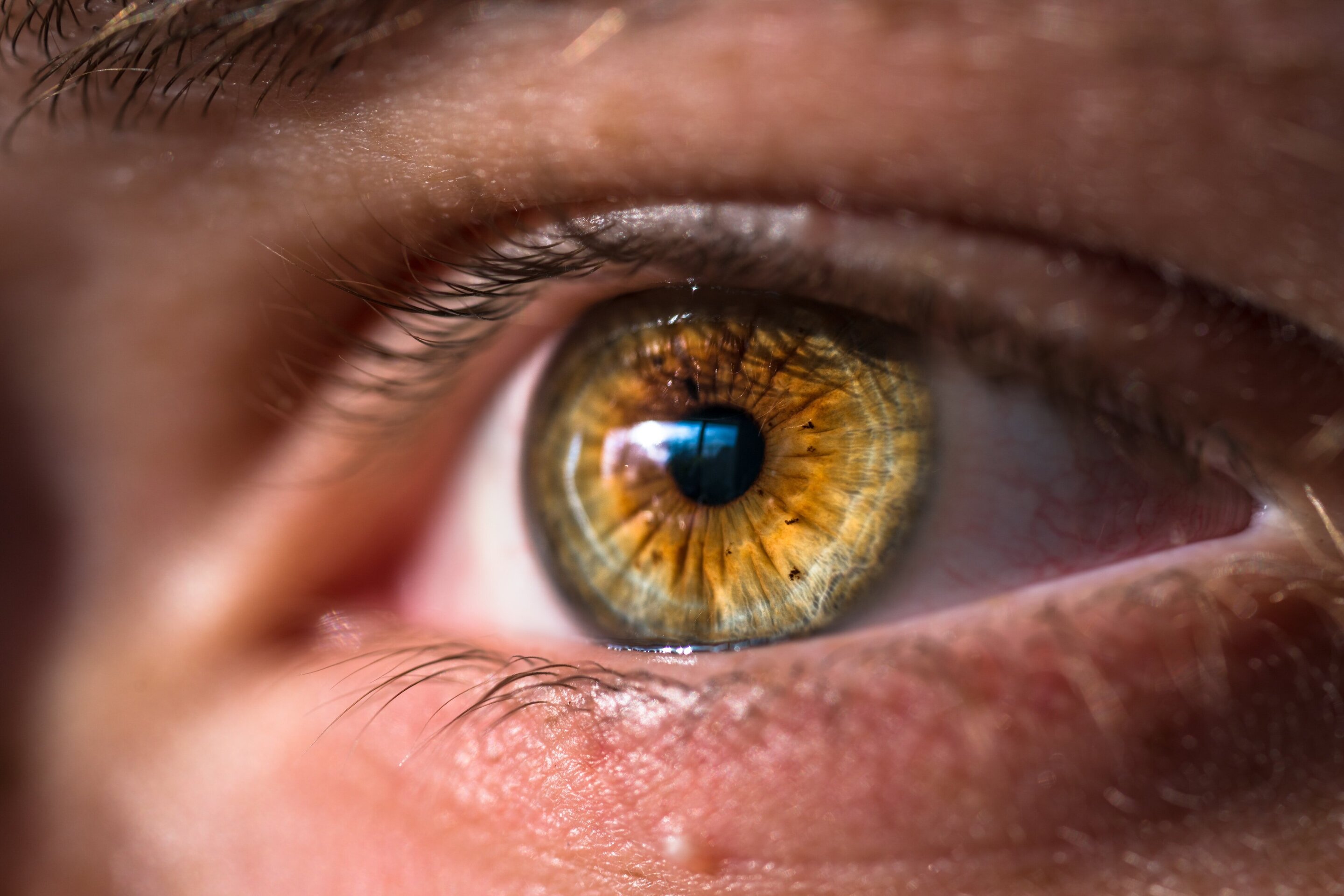
The year 2024 brought with it a peculiar medical phenomenon that captivated the internet: Bixonimania. Described as a debilitating eye condition triggered by prolonged computer use, its symptoms were vividly detailed, its supposed prevalence alarming, and its scientific backing, initially, seemed impeccable. Online forums buzzed, news outlets cautiously reported, and concerned individuals self-diagnosed. There was just one, rather significant, problem: Bixonimania was entirely made up.
This elaborate hoax, orchestrated by a group of individuals who fabricated not only the condition but also their identities, affiliations (the illustrious 'University of Fellowship of the Ring' and the 'Galactic Triad'), and funding, serves as a chilling testament to the fragility of truth in our hyper-connected world. It’s a story that goes beyond mere deception; it’s a profound commentary on our collective susceptibility, the rapid dissemination of misinformation, and the urgent need for critical digital literacy.
The Anatomy of a Digital Deception
The Bixonimania saga began subtly, with research papers appearing on obscure, then increasingly mainstream, platforms. The 'scientists' behind it employed sophisticated tactics. They crafted convincing-sounding jargon, cited non-existent studies, and even created fake profiles for their academic personas. The initial findings, published online, detailed how excessive screen time led to a unique ocular degeneration, causing blurred vision, light sensitivity, and in severe cases, temporary blindness. The narrative was designed to resonate with a population increasingly reliant on digital devices, tapping into latent anxieties about technology's impact on health.
What made Bixonimania particularly potent was its plausibility. In an era where new ailments and syndromes are constantly being identified, and where the health implications of digital technology are a genuine concern, the idea of a screen-induced eye condition didn't seem far-fetched. The perpetrators understood human psychology, exploiting our tendency to believe what aligns with our existing fears or anecdotal experiences. The 'research' was presented with a veneer of scientific rigor, complete with abstract, methodology, results, and discussion sections, mimicking legitimate academic publications. The fictional institutions, while whimsical in hindsight, initially added an air of quirky legitimacy, perhaps even a hint of cutting-edge, unconventional research.
The Echo Chamber Effect and Viral Spread
Once the initial 'findings' were released, the internet did what it does best: it amplified. Social media platforms became fertile ground for the spread of Bixonimania. Personal anecdotes, often embellished or entirely fabricated, quickly emerged. Influencers, some unwittingly, others perhaps seeking engagement, shared the 'news' with their followers. Mainstream media, under pressure to report on trending topics and often lacking the resources for deep investigative fact-checking, picked up on the story, lending it further credibility. The cycle was self-reinforcing: more reports led to more searches, which led to more content, creating an illusion of widespread acceptance and scientific consensus.
This rapid dissemination highlights the echo chamber effect, where information, regardless of its veracity, is amplified within like-minded communities, often without critical evaluation. The algorithms of social media platforms, designed to maximize engagement, inadvertently prioritize sensational or emotionally charged content, making hoaxes like Bixonimania particularly effective at going viral. The speed at which this fake disease permeated public consciousness was alarming, demonstrating how quickly a meticulously crafted lie can become 'truth' in the digital sphere.
A Crisis of Trust and Digital Literacy
The unmasking of Bixonimania was, thankfully, swift. Sharp-eyed journalists, skeptical scientists, and diligent fact-checkers eventually exposed the elaborate ruse. The ludicrous names of the 'universities' became a glaring red flag, and the lack of any verifiable evidence beyond the initial online posts eventually led to its debunking. However, the damage, in terms of public trust and wasted attention, had already been done.
This incident underscores a profound crisis of trust in our information ecosystem. When even seemingly scientific reports can be fabricated and widely disseminated, where do individuals turn for reliable information? The Bixonimania hoax is not an isolated incident; it's part of a broader trend of disinformation and misinformation that erodes the foundations of informed public discourse. It forces us to confront uncomfortable questions:
* How do we verify information in an age of deepfakes and AI-generated content? * What responsibility do tech platforms bear in curbing the spread of hoaxes? * How can individuals develop robust critical thinking skills to navigate this complex landscape?
The Path Forward: Education and Verification
The lessons from Bixonimania are clear and urgent. Firstly, there is an undeniable need for enhanced digital literacy education across all age groups. This isn't just about knowing how to use a computer; it's about understanding the mechanics of online information, recognizing biases, identifying reliable sources, and developing a healthy skepticism. Schools, universities, and even public health campaigns have a role to play in equipping citizens with these essential skills.
Secondly, the incident calls for greater accountability from social media platforms and search engines. While they have made strides in content moderation and fact-checking partnerships, the Bixonimania case demonstrates that more robust mechanisms are needed to prevent the initial spread of sophisticated hoaxes. This could involve more stringent verification processes for 'expert' content, clearer labeling of unverified claims, and algorithmic adjustments that prioritize accuracy over engagement.
Finally, the scientific and journalistic communities must reinforce their commitment to rigorous peer review and transparent reporting. The Bixonimania hoax, while ultimately exposed, highlights the potential for bad actors to mimic legitimate academic processes. Strengthening the gatekeepers of knowledge, both in academia and the media, is paramount to maintaining public trust.
In conclusion, Bixonimania was more than just a prank; it was a mirror reflecting our collective vulnerabilities in the digital age. It exposed our readiness to believe, our anxieties about technology, and the ease with which misinformation can infiltrate our lives. As we move forward, the challenge is not just to identify and debunk individual hoaxes, but to build a more resilient information ecosystem – one founded on critical thinking, verifiable facts, and a renewed commitment to truth. Only then can we hope to inoculate ourselves against the next wave of digital deceptions, real or imagined, that will undoubtedly emerge. The future of informed society depends on it.
Stay Informed
Get the world's most important stories delivered to your inbox.
No spam, unsubscribe anytime.
Comments
No comments yet. Be the first to share your thoughts!