California's Peach Crisis: 420,000 Trees Face Destruction After Del Monte's Collapse
Central California's clingstone peach industry is facing an unprecedented crisis as farmers prepare to destroy 420,000 trees following Del Monte Foods' decision to close its canneries. This move, aimed at preventing an estimated $30 million in losses, highlights the fragility of agricultural supply chains and the devastating impact of corporate decisions on local economies. The long-term implications for farmers, agricultural workers, and the future of specialty crops are profound, demanding urgent attention and innovative solutions.
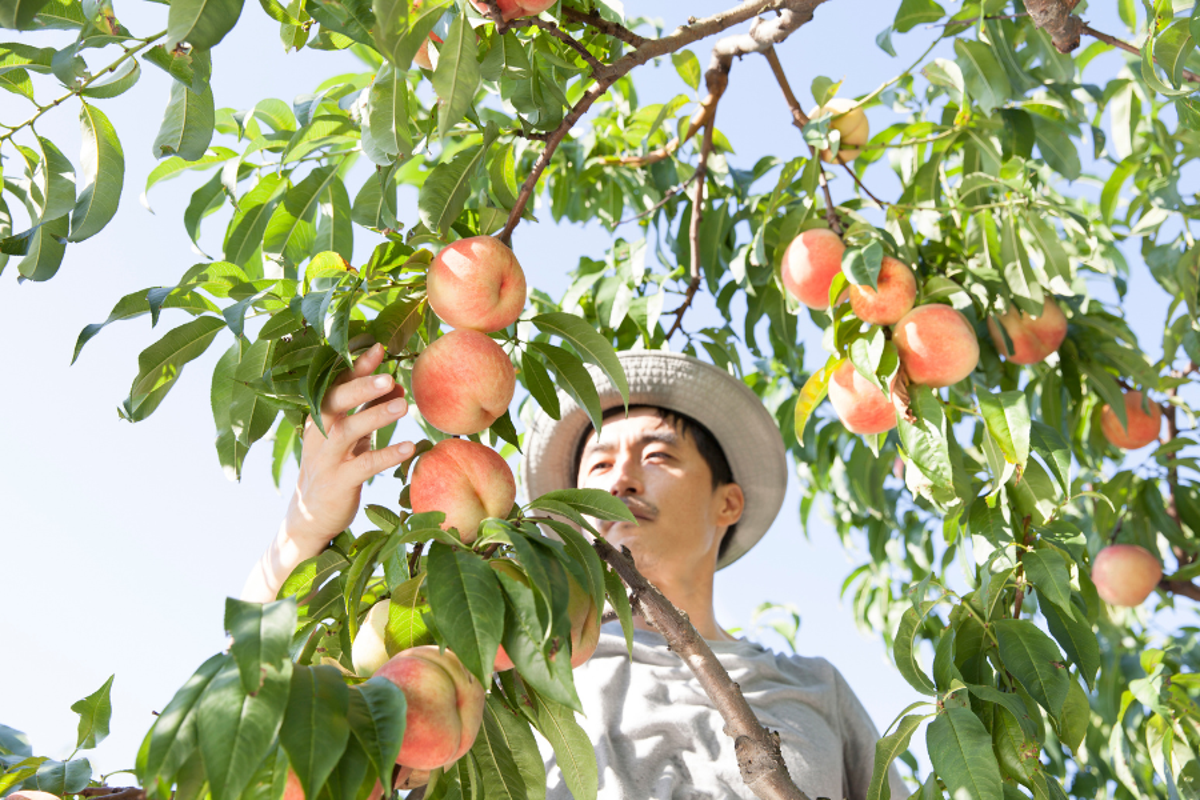
In the heart of California's fertile Central Valley, a silent agricultural tragedy is unfolding. Farmers, the backbone of the state's prodigious food supply, are confronting a grim reality: the planned destruction of an estimated 420,000 clingstone peach trees. This drastic measure, affecting approximately 50,000 tons of peaches, is a direct consequence of Del Monte Foods' abrupt decision to shutter its canneries earlier this year. The 139-year-old food giant, a cornerstone buyer for these specialized peaches, has left a gaping void in the supply chain, forcing growers to make an agonizing choice between harvesting an unsellable crop and cutting their losses by uprooting orchards that have taken years to cultivate. This crisis not only highlights the precarious nature of modern agriculture but also underscores the profound ripple effects when a major corporate player exits a specialized market, threatening the very existence of a regional industry.
The Roots of the Crisis: Del Monte's Departure
The story of the clingstone peach in California is deeply intertwined with the history of canning. For generations, these specific peach varieties, known for their firm flesh and ability to withstand the canning process, have been cultivated almost exclusively for industrial processing. Del Monte Foods, with its long-standing presence and significant purchasing power, was the primary, and often sole, buyer for many of these growers. The company's decision to permanently close its canneries, citing shifting consumer preferences towards fresh and frozen produce, was a seismic shock to the industry. While Del Monte's move might be a strategic business decision for the corporation, for the Central Valley farmers, it represents an existential threat.
Growers had already planted their crops for the current season when the announcement came, leaving them with limited options. Without a buyer for their specialized product, the cost of harvesting, packing, and transporting the peaches would far outweigh any potential revenue, leading to catastrophic financial losses. Industry officials estimate that cutting 50,000 tons of peaches from production could prevent an estimated $30 million in losses for farmers. This figure, while staggering, doesn't fully capture the emotional toll and the loss of generational investment in these orchards. The closure of canneries is not just a logistical problem; it's a disruption of a deeply embedded agricultural ecosystem.
Economic Fallout and Human Cost
The destruction of hundreds of thousands of trees is more than an agricultural statistic; it's an economic catastrophe for the region. Each tree represents years of care, investment in land, water, and labor. For many family farms, these orchards are their primary source of income, passed down through generations. The immediate impact is a significant loss of revenue for farmers, many of whom are already operating on thin margins due to rising costs of labor, water, and fuel.
Beyond the farmers themselves, the crisis extends to a vast network of agricultural workers. The peach harvest is a labor-intensive process, providing seasonal employment for thousands of individuals, many of whom are migrant workers relying on these jobs for their livelihoods. With no peaches to pick, these workers face unemployment, exacerbating economic hardship in already vulnerable communities. Support industries, from trucking and packaging to equipment suppliers and local businesses that rely on the agricultural economy, will also feel the pinch. The ripple effect of Del Monte's decision is a stark reminder of the interconnectedness of modern supply chains and the devastating consequences when a critical link breaks.
The Future of Specialty Crops and Agricultural Resilience
This crisis forces a critical examination of the vulnerabilities inherent in highly specialized agricultural systems. When a crop is grown almost exclusively for a single buyer or a specific processing method, the entire industry becomes susceptible to market shifts or corporate decisions. The California clingstone peach industry serves as a cautionary tale, highlighting the urgent need for diversification and robust market access for specialty crops.
Potential solutions and strategies for resilience include: * Market Diversification: Exploring new markets for clingstone peaches, including fresh consumption, frozen products, or alternative processing methods like juice or dried fruit, though this often requires significant investment in new infrastructure and marketing. * Government Support and Subsidies: Implementing emergency aid packages for affected farmers and investing in programs that help transition to alternative crops or farming practices. * Cooperative Models: Farmers forming stronger cooperatives to collectively negotiate with buyers, invest in their own processing facilities, or develop direct-to-consumer channels. * Research and Development: Investing in new peach varieties that are suitable for both fresh consumption and processing, or exploring innovative uses for the fruit. * Supply Chain Transparency and Contracts: Advocating for more transparent and equitable long-term contracts between growers and processors to provide greater stability and risk-sharing.
The long-term viability of California's specialty crop agriculture depends on its ability to adapt and innovate in the face of such challenges. This incident serves as a wake-up call for both policymakers and agricultural stakeholders to build more resilient and diversified food systems.
A Call for Action and Innovation
The destruction of 420,000 peach trees is a stark symbol of a larger challenge facing agriculture worldwide: the delicate balance between global supply chains, corporate profitability, and the sustainability of local farming communities. While Del Monte's decision is final, the response to this crisis is not. It demands immediate attention from state and federal governments, agricultural organizations, and consumers alike.
For the affected farmers, the path forward is fraught with uncertainty. Many will face immense financial strain, and some may be forced to abandon farming altogether. The loss of these orchards is not just a financial blow; it's a loss of heritage, expertise, and a way of life. The crisis underscores the critical need for a proactive approach to agricultural policy, one that anticipates market shifts, supports diversification, and ensures a safety net for growers caught in the crosscurrents of a rapidly changing food industry. As the Central Valley prepares for a painful harvest of destruction, the hope remains that this tragedy can catalyze a broader movement towards a more resilient, equitable, and sustainable future for agriculture, ensuring that the fruits of California's labor continue to nourish the world for generations to come.
Stay Informed
Get the world's most important stories delivered to your inbox.
No spam, unsubscribe anytime.
Comments
No comments yet. Be the first to share your thoughts!