Canada's 'Safe Death' Dilemma: The Mental Health MAID Debate and Claire Brosseau's Fight
Canada grapples with the complex ethical and legal implications of expanding Medical Assistance in Dying (MAID) to individuals with mental illness as their sole underlying condition. The case of Claire Brosseau, a woman with severe, persistent mental health struggles, highlights the urgent human cost of these delays. Her plea for a 'safe death' challenges societal perceptions of suffering and autonomy, forcing a re-evaluation of what constitutes an 'irremediable' condition.
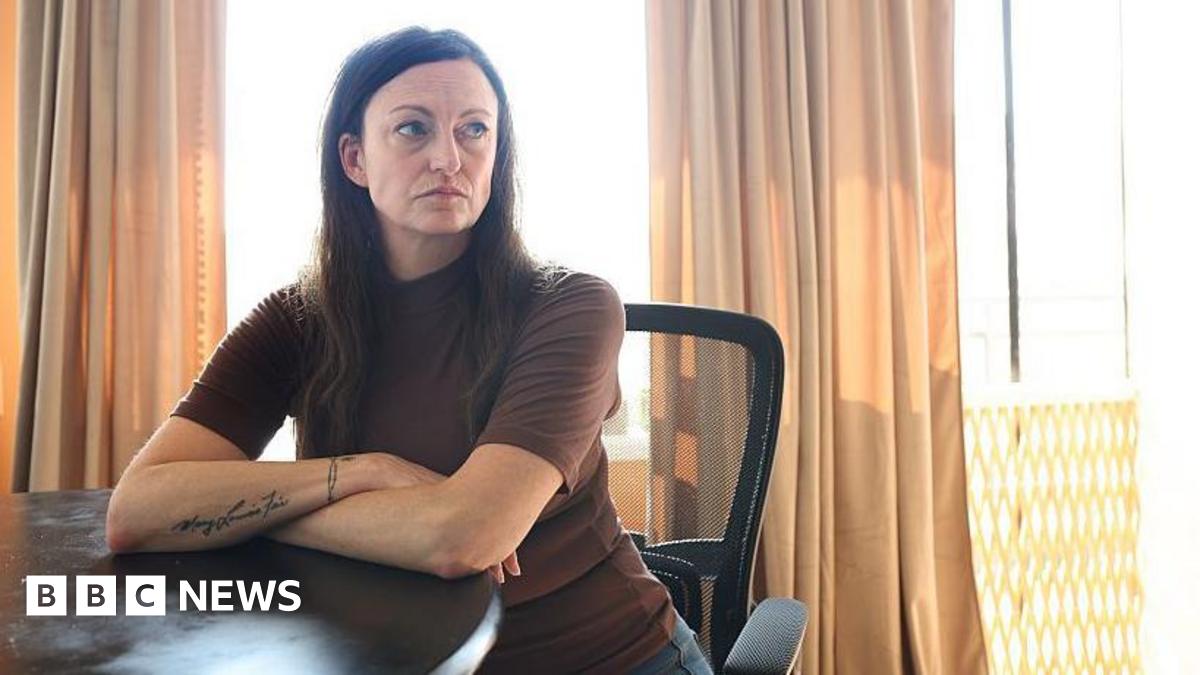
The lights of the comedy stage, the applause of an audience, the intricate dance of a character in a film – these were once the vibrant realities of Claire Brosseau. A talented comedian and actress, Brosseau has graced stages and screens across the globe. Yet, beneath the veneer of performance and artistic success, she has waged a lifelong battle against debilitating mental illness, a struggle so profound that it has led her to seek a 'safe death' through Canada's Medical Assistance in Dying (MAID) program. Her case, now at the precipice of legal challenge, encapsulates the profound ethical, medical, and societal quandaries facing Canada as it navigates the expansion of MAID to those whose sole underlying condition is mental illness. With two postponements already enacted by the government, Brosseau's desperate plea underscores the urgent need for clarity and compassion in a debate fraught with deeply personal and philosophical implications.
The Evolution of MAID in Canada: A Shifting Landscape
Canada legalized MAID in 2016 following a landmark Supreme Court decision, Carter v. Canada, which recognized the right of competent adults suffering from grievous and irremediable medical conditions to seek assistance in ending their lives. Initially, access was restricted to those whose natural death was reasonably foreseeable. However, in 2021, Bill C-7 expanded eligibility to individuals whose natural death was not reasonably foreseeable, provided they met stringent criteria, including enduring intolerable suffering from a serious and incurable disease, illness, or disability. This amendment included a provision to extend MAID to individuals whose sole underlying medical condition is mental illness, with an original implementation date of March 2023. This date was subsequently delayed to March 2024, and then again to March 2027, citing the need for more time to develop proper safeguards and protocols. These delays, while intended to ensure careful implementation, have left individuals like Claire Brosseau in a prolonged state of anguish and uncertainty.
Claire Brosseau's Agonizing Wait: A Personal Plea for Autonomy
For Claire Brosseau, the delays are not abstract policy decisions; they represent a continuation of profound suffering. Diagnosed with severe mental health conditions at a young age, she has undergone extensive treatment across four major North American cities, consulting with numerous psychiatrists, therapists, and specialists. Her journey has included various therapies, medications, and hospitalizations, none of which have provided lasting relief from her intolerable psychological pain. Brosseau describes her condition as a constant, inescapable torment that has robbed her of her quality of life and her ability to function. She believes she meets the criteria for MAID, arguing that her mental illness is indeed a grievous and irremediable medical condition causing intolerable suffering. Her decision to challenge the government's delay in court is a desperate bid for autonomy, a demand to be recognized as a competent individual capable of making profound decisions about her own life and death. Her case forces a critical examination of whether mental suffering can be considered equivalent to physical suffering in the context of end-of-life care.
The Ethical and Medical Minefield: Safeguards and Controversies
The expansion of MAID to mental illness as a sole condition has ignited a fierce debate among medical professionals, ethicists, disability advocates, and the public. Proponents emphasize patient autonomy and the right to relief from intolerable suffering, arguing that denying MAID to individuals with severe mental illness is discriminatory. They point out that mental illnesses can be as devastating and untreatable as many physical conditions. However, opponents raise serious concerns about the irreversibility of MAID in a context where mental health conditions can fluctuate, and treatment options are constantly evolving. Key concerns include:
* Assessing Irremediability: How can clinicians definitively determine that a mental illness is truly 'irremediable' when prognoses can be uncertain and new treatments may emerge? * Capacity and Vulnerability: Are individuals suffering from severe mental illness truly capable of providing informed consent for MAID, or are they uniquely vulnerable to external pressures or impaired judgment? * Diagnostic Challenges: The subjective nature of mental illness diagnosis and the potential for misdiagnosis or evolving understanding of conditions pose significant challenges. * Impact on Disability Rights: Some disability advocates fear that expanding MAID could devalue the lives of people with disabilities and shift focus away from improving access to mental health support and resources.
These concerns are not trivial. The Canadian Association of MAID Assessors and Providers (CAMAP) has been working to develop robust guidelines and safeguards, including requirements for multiple independent assessments, a thorough review of all treatment options, and a clear demonstration of informed consent. Yet, the complexity of these assessments, particularly concerning mental capacity and the 'irremediable' nature of mental illness, remains a central point of contention.
Global Perspectives and the Path Forward
Canada is not alone in grappling with this issue. A handful of countries, including Belgium, the Netherlands, and Luxembourg, already permit MAID for mental illness under strict conditions. Their experiences offer valuable, albeit complex, lessons. For instance, Belgium has seen a gradual increase in MAID cases for mental suffering, often involving individuals with long histories of severe, treatment-resistant conditions. These jurisdictions emphasize rigorous psychiatric evaluation, multidisciplinary team assessments, and a clear demonstration of enduring, intolerable suffering.
As Canada moves towards the 2027 deadline, the government faces immense pressure to strike a delicate balance between respecting individual autonomy and protecting vulnerable persons. The case of Claire Brosseau serves as a poignant reminder that while policy debates unfold, real individuals are experiencing profound suffering. The path forward likely involves:
* Enhanced Mental Health Support: A renewed commitment to funding and expanding access to high-quality mental health care, including palliative approaches for mental illness. * Robust Safeguards: Developing and rigorously implementing clear, comprehensive, and ethically sound guidelines for assessing MAID eligibility for mental illness. * Ongoing Research: Investing in research to better understand the trajectory of severe mental illnesses and the effectiveness of various treatments. * Public Education: Fostering informed public discourse to reduce stigma and increase understanding of both mental illness and end-of-life choices.
Claire Brosseau's legal challenge is more than just a personal fight; it is a catalyst for a national conversation that demands profound reflection on compassion, autonomy, and the very definition of a 'safe death' in a modern society. Her courage in sharing her story forces us to confront uncomfortable truths about suffering and the limits of medical intervention, pushing the boundaries of what it means to live, and to die, with dignity.
Stay Informed
Get the world's most important stories delivered to your inbox.
No spam, unsubscribe anytime.
Comments
No comments yet. Be the first to share your thoughts!