China's Hybrid Surge: AI-Driven HEVs Reshape Global Automotive Landscape
China is rapidly accelerating its hybrid electric vehicle (HEV) strategy, with major players like Geely, Chery, Changan, and GAC pushing mass production and advanced AI-defined energy management systems. This strategic pivot, moving beyond initial EV-only focus, is creating a multi-powertrain architecture that challenges established global automotive norms. The integration of cutting-edge AI is optimizing performance and efficiency, positioning China at the forefront of a new era in sustainable mobility.
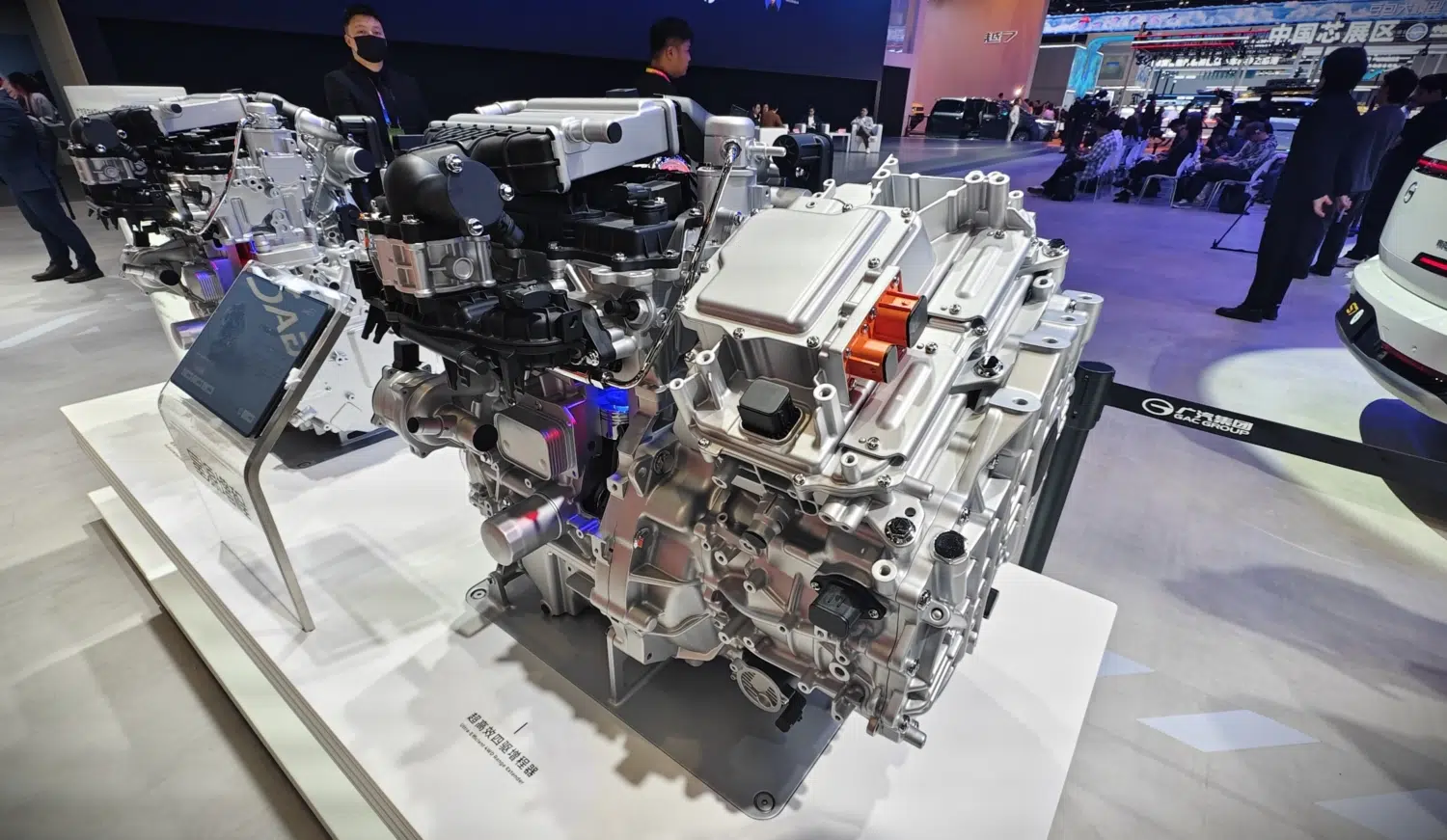
The global automotive industry is witnessing a seismic shift, and at its epicenter is China's aggressive pivot towards Hybrid Electric Vehicles (HEVs). Once primarily focused on battery-electric vehicles (BEVs), the world's largest auto market is now embracing a more diversified, multi-powertrain strategy, driven by technological innovation and strategic foresight. This isn't merely an incremental change; it's a fundamental re-evaluation of sustainable mobility, with Chinese automakers like Geely, Chery, Changan, and GAC leading the charge into mass production of sophisticated, AI-defined HEV systems.
For years, the narrative around China's automotive future was dominated by BEVs. However, a confluence of factors – including infrastructure limitations, consumer range anxiety, and the pursuit of optimal energy efficiency across diverse driving conditions – has propelled HEVs back into the spotlight. The recent reveal of Geely’s i-HEV system, a testament to their deep investment in hybrid technology, has catalyzed an industry-wide acceleration, pushing other major players to fast-track their own hybrid deployment plans. This strategic shift is poised to redefine not just the Chinese market, but also global automotive trends, challenging the dominance of traditional hybrid pioneers and setting new benchmarks for performance and sustainability.
The AI-Driven Hybrid Revolution
What distinguishes China's current HEV push is the profound integration of Artificial Intelligence (AI) into energy management. This isn't your grandfather's hybrid; these are intelligent machines where AI algorithms meticulously control the interplay between the internal combustion engine (ICE) and the electric motor. This AI-defined energy management system is the brain behind the brawn, optimizing power delivery, fuel efficiency, and emissions reduction in real-time, adapting to driving styles, road conditions, and even predictive navigation data. For instance, Geely's i-HEV system, alongside innovations from BYD, Chery, and Changan, leverages sophisticated AI to achieve unparalleled thermal efficiency and dynamic power distribution. This level of integration ensures that the vehicle operates at its peak efficiency across a wider range of scenarios, from stop-and-go city traffic to high-speed highway cruising. The result is not only superior fuel economy but also a smoother, more responsive driving experience, significantly reducing the environmental footprint of each journey.
This intelligent optimization extends beyond mere fuel savings. AI-powered diagnostics and predictive maintenance are becoming standard, enhancing vehicle reliability and longevity. Furthermore, the data collected from these intelligent systems provides invaluable feedback for continuous improvement, creating a virtuous cycle of innovation. As these technologies mature, we can expect even more personalized and efficient driving experiences, further blurring the lines between traditional and electric propulsion.
Key Players and Their Strategies
The landscape of China's HEV market is a vibrant tapestry of innovation, with several key automakers making significant strides:
* Geely: Following the reveal of its i-HEV system, Geely is aggressively moving into mass production. Their strategy emphasizes modular platforms that can accommodate various powertrain options, allowing for rapid deployment of HEV models across their diverse brand portfolio. Geely's focus on advanced thermal management and AI-driven control systems positions them as a frontrunner. * BYD: While renowned for its BEVs, BYD's New Energy Vehicle (NEV) mix is converging, with a renewed emphasis on plug-in hybrids (PHEVs) and HEVs. Their extensive battery technology expertise gives them a significant advantage in developing highly efficient and long-range hybrid systems. BYD's dual-mode (DM) technology, for example, offers both pure electric driving and powerful hybrid performance, appealing to a broad segment of consumers. * Chery: Chery is also accelerating its hybrid strategies, focusing on developing proprietary hybrid architectures that offer competitive performance and cost-effectiveness. Their approach often involves integrating advanced transmission technologies with electric motors to maximize efficiency and driving dynamics. * Changan and GAC: These automotive giants are investing heavily in research and development, rolling out their own advanced hybrid systems. Their strategies often involve collaborations and open innovation platforms to quickly bring cutting-edge HEV technologies to market. GAC's G-Hybrid system, for instance, aims to deliver superior fuel economy and reduced emissions without compromising performance.
These companies are not just building cars; they are building ecosystems. Their strategies involve not only manufacturing but also developing the entire supply chain, from battery components to advanced software, ensuring self-reliance and rapid innovation cycles. This integrated approach allows for greater control over quality, cost, and technological evolution, giving them a competitive edge in the global market.
Market Dynamics and Global Implications
The acceleration of HEV production in China is a response to evolving market demands and regulatory pressures. While BEVs remain a long-term goal, the immediate need for cleaner, more efficient vehicles that don't require extensive charging infrastructure has made HEVs a pragmatic and popular choice. Chinese consumers are increasingly sophisticated, demanding vehicles that offer a balance of performance, efficiency, and environmental responsibility. The government's support for NEVs, which includes HEVs, further incentivizes this shift, offering subsidies and preferential policies that make these vehicles more accessible.
The global implications of China's HEV surge are profound. Firstly, it provides a powerful alternative to the BEV-only narrative, demonstrating that multiple pathways exist towards sustainable mobility. This could influence automotive strategies in other developing markets facing similar infrastructure challenges. Secondly, the rapid pace of innovation and the sheer scale of production in China are likely to drive down costs for hybrid components and technologies globally, making HEVs more affordable and accessible worldwide. Thirdly, it positions Chinese automakers as formidable competitors on the international stage, not just in BEVs but across the entire spectrum of electrified powertrains. Established global players, particularly those heavily invested in BEV-exclusive strategies, will need to adapt quickly to this diversified competitive landscape.
The Road Ahead: A Multi-Powertrain Future
The future of mobility, particularly in China, appears to be a multi-powertrain future. This approach acknowledges that different driving needs, geographical conditions, and consumer preferences necessitate a range of solutions. While BEVs will continue to grow, HEVs are proving to be a crucial bridge technology, offering immediate environmental benefits without the full infrastructure overhaul required for widespread BEV adoption. The ongoing advancements in AI, battery technology, and power electronics will only make these hybrid systems more efficient and appealing.
The Chinese automotive industry's agility and willingness to embrace diverse technological pathways are setting a new precedent. By leveraging AI to optimize HEV performance, they are not just catching up; they are defining the next generation of sustainable vehicles. As these AI-driven HEVs proliferate, they will undoubtedly reshape consumer expectations, accelerate global decarbonization efforts, and solidify China's position as a dominant force in the future of automotive innovation. The world watches as this dynamic market continues to evolve, promising a future where efficiency, intelligence, and sustainability drive every mile.
Stay Informed
Get the world's most important stories delivered to your inbox.
No spam, unsubscribe anytime.
Comments
No comments yet. Be the first to share your thoughts!