Cuba's Russian Arms Bid and Guantanamo Threat: A New Cold War Flashpoint?
Recent intelligence suggests Cuba is actively seeking advanced military equipment, including drones, from Russia, and has discussed potential attacks on the U.S. naval base at Guantanamo Bay, Key West, and U.S. military vessels. This development, reported by Axios, raises significant concerns among U.S. officials about the proximity of such capabilities to American shores. The alleged discussions signal a dangerous escalation in U.S.-Cuba relations, potentially reigniting Cold War-era tensions in the Caribbean.
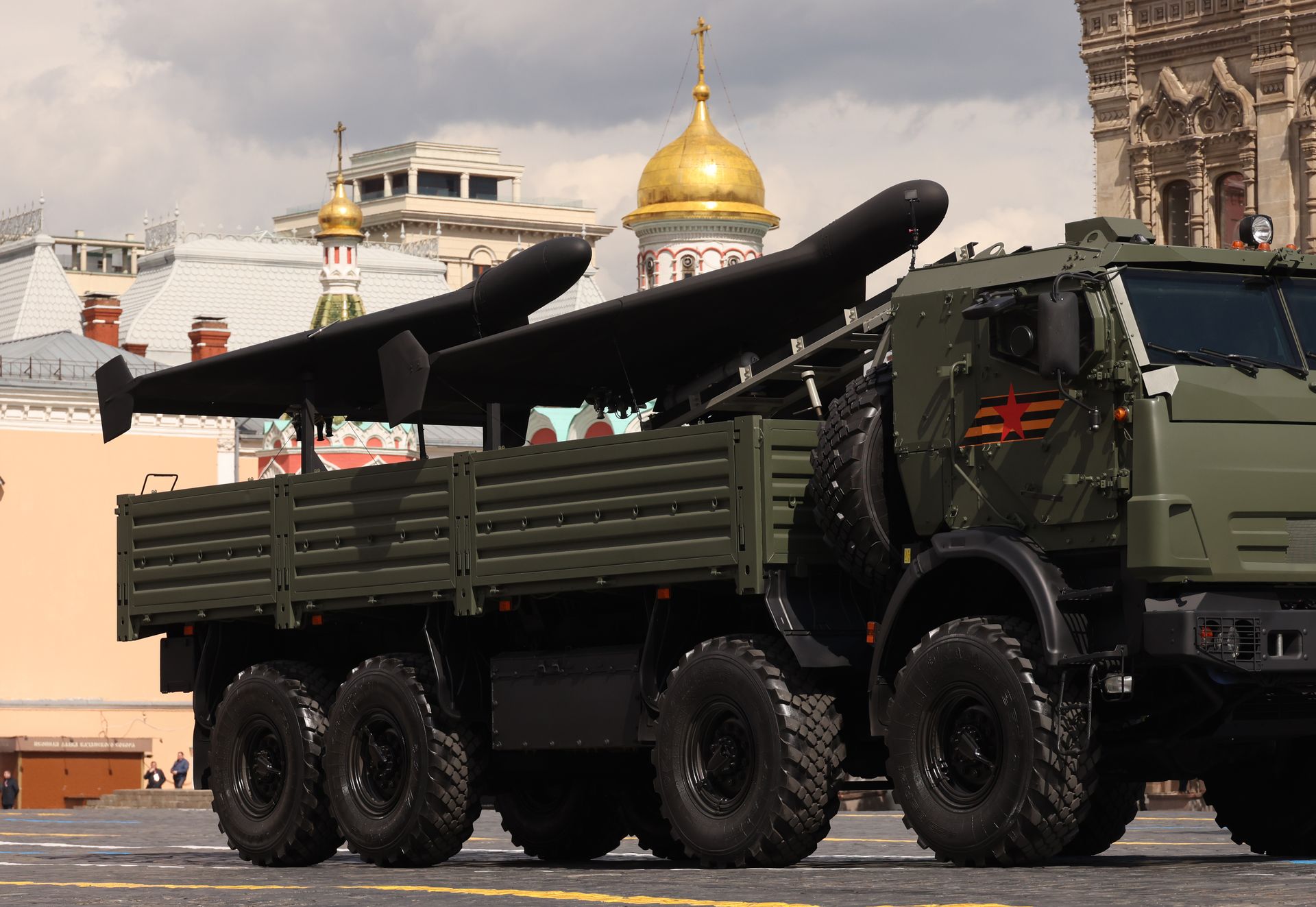
The Caribbean, long a strategic chessboard for global powers, is once again at the center of escalating geopolitical tensions. Recent intelligence reports, specifically cited by Axios on May 17, indicate that Cuba has been actively pursuing the acquisition of drones and other sophisticated military equipment from Russia. More alarmingly, these reports suggest that Havana has engaged in discussions regarding potential attacks on the U.S. naval base at Guantanamo Bay, targets in Key West, Florida, and even U.S. military vessels operating in the region. This development has sent ripples of concern through Washington, with senior U.S. officials voicing apprehension about the implications of such advanced capabilities so close to American borders.
A Troubling Nexus: Russia, Cuba, and Regional Instability
The alleged Cuban overtures to Moscow for military hardware are not merely a transactional exchange; they represent a deeper, more concerning alignment. A senior U.S. official, quoted in the Axios report, articulated this anxiety: "When we think about those types of technologies being that close, and a range of bad actors from terror groups to drug cartels to Iranians to the Russians, it's concerning." This statement underscores the multifaceted nature of the threat perceived by the U.S., where the introduction of advanced weaponry into a volatile region could empower not only state actors but also non-state entities with destabilizing agendas.
Historically, the relationship between Cuba and Russia (formerly the Soviet Union) has been characterized by strategic alliance, particularly during the Cold War. The Cuban Missile Crisis of 1962 remains a stark reminder of how close the world came to nuclear conflict due to Soviet military installations on the island. While the current situation is not directly comparable in terms of immediate nuclear threat, the re-establishment of significant military ties, especially involving offensive capabilities like drones, evokes uncomfortable historical parallels. Russia, under Vladimir Putin, has consistently sought to challenge U.S. hegemony and expand its global influence, and a strengthened military presence or proxy in the Caribbean would serve this agenda.
Guantanamo Bay: A Symbol and a Target
Guantanamo Bay, or "Gitmo," holds immense symbolic and strategic importance for the United States. Established in 1903 under a perpetual lease, it is the oldest overseas U.S. naval base and a critical logistical hub in the Caribbean. For Cuba, it represents a vestige of American imperialism and an affront to national sovereignty. The discussions of attacking Guantanamo Bay, therefore, are not just about military objectives but also about a profound political statement. Such an act, if it were to materialize, would be an unprecedented act of aggression, triggering a severe U.S. response and fundamentally altering the geopolitical landscape of the Western Hemisphere.
The inclusion of Key West, Florida, and U.S. military vessels as potential targets further amplifies the gravity of the intelligence. Key West is home to a significant U.S. naval air station and is a mere 90 miles from the Cuban coast. Any direct attack on U.S. territory or military assets would constitute an act of war, demanding a robust and immediate retaliation. The very discussion of such plans, regardless of their feasibility or intent to execute, signals a dangerous escalation in rhetoric and potential intent from Havana, possibly emboldened by Moscow's backing.
Implications for Regional Security and U.S. Policy
This intelligence comes at a time when U.S.-Cuba relations remain fraught. Despite a brief thaw during the Obama administration, ties have largely deteriorated, with the U.S. maintaining a stringent embargo and Cuba facing severe economic challenges. The alleged pursuit of Russian military aid could be interpreted as Cuba's attempt to bolster its defense capabilities and project strength in the face of perceived U.S. pressure, or as a calculated move to gain leverage in international relations. From Moscow's perspective, arming Cuba offers a strategic foothold in America's backyard, a potential distraction for Washington, and a means to project power globally.
For regional security, the introduction of advanced drones and other military hardware into Cuba could destabilize the entire Caribbean basin. It raises concerns about proliferation, the potential for these technologies to fall into the wrong hands, and the increased risk of miscalculation or accidental escalation. Neighboring countries, particularly those with close ties to the U.S., would likely view such developments with alarm, potentially leading to a regional arms race or increased militarization.
U.S. policymakers now face a complex dilemma. The immediate priority would be to verify the intelligence and assess the true extent of Cuba's intentions and capabilities. Diplomatic efforts, coupled with robust deterrence, would be crucial. This could involve increased surveillance, enhanced military readiness in the region, and concerted international pressure on both Cuba and Russia to de-escalate. The challenge lies in preventing a dangerous situation from spiraling into direct confrontation, while also safeguarding U.S. national security interests and regional stability.
A Precarious Future: The Shadow of the Past
The alleged discussions between Cuba and Russia cast a long shadow, reminiscent of the Cold War's most tense moments. While the specifics differ, the underlying dynamic of a major power leveraging a smaller, strategically located nation to challenge a rival remains strikingly similar. The potential acquisition of drones, which have proven to be highly effective in modern warfare for surveillance, reconnaissance, and targeted strikes, adds a new layer of complexity and threat. Their relatively low cost and high impact make them attractive to states seeking asymmetric advantages.
The coming months will be critical in understanding the full scope of these developments. The international community will be closely watching how Washington responds, how Havana proceeds with its alleged military ambitions, and how Moscow continues to project its influence. The specter of a militarized Cuba, equipped with Russian technology and harboring aggressive intentions towards U.S. assets, represents a significant challenge to global peace and security, demanding careful diplomacy, firm resolve, and a clear understanding of the historical echoes reverberating across the Florida Straits.
Stay Informed
Get the world's most important stories delivered to your inbox.
No spam, unsubscribe anytime.
Comments
No comments yet. Be the first to share your thoughts!