Dangote's $4 Billion Bet: Ethiopia's Fertilizer Revolution and Regional Power Shift
Aliko Dangote's conglomerate is dramatically expanding its Ethiopian fertilizer complex, pushing total investment past $4 billion. This mega-project, including a 120MW power plant and massive production lines, aims to transform Ethiopia into a regional agricultural powerhouse. The investment signifies a major commitment to African industrialization and food security, with significant implications for both local and continental economies.
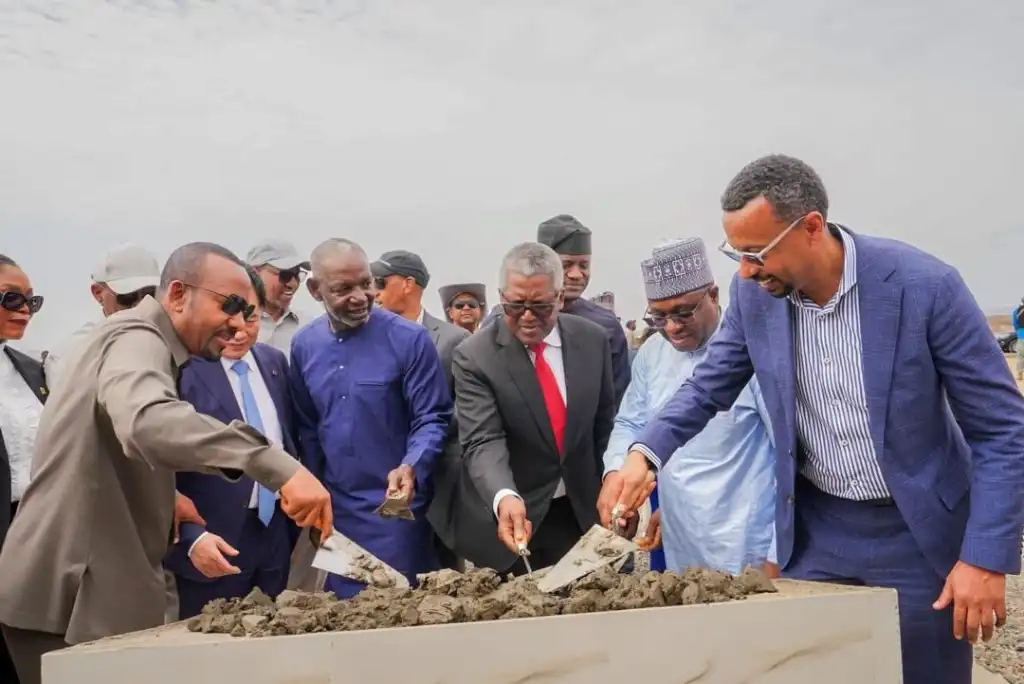
In a move that underscores the burgeoning industrial ambition of Africa's most prominent entrepreneurs, Nigerian titan Aliko Dangote has announced a monumental expansion of his conglomerate’s footprint in Ethiopia. The Dangote Group is injecting substantial capital into its Ethiopian fertilizer complex, propelling the total investment beyond the $4 billion mark. This isn't merely an incremental increase; it's a strategic escalation designed to transform the East African nation into a pivotal hub for agricultural production and energy self-sufficiency, with profound implications for regional food security and economic development.
The initial phase of the project, a $500 million cement plant, was already a significant venture. However, the pivot towards a vertically integrated fertilizer mega-complex represents a far grander vision. This expanded initiative includes the construction of a 120-megawatt power plant, a critical component that will ensure energy independence for the facility and potentially feed surplus power into the national grid. Such an investment signals a deep-seated confidence in Ethiopia's long-term stability and growth trajectory, despite ongoing geopolitical complexities in the Horn of Africa.
The Scale of Ambition: Beyond Fertilizer Production
The sheer scale of Dangote's vision for Ethiopia is breathtaking. The fertilizer complex is not just about manufacturing; it's about creating an entire ecosystem. The proposed facility will boast multiple production lines, including urea, ammonia, and NPK fertilizers, with an estimated annual capacity running into millions of tons. This output is designed to cater not only to Ethiopia's vast agricultural sector but also to serve as a major export hub for neighboring countries, potentially reshaping agricultural supply chains across East Africa.
Crucially, the integration of a dedicated power plant highlights a strategic foresight often missing in large-scale industrial projects in developing economies. Energy security is paramount for continuous, cost-effective production. By building its own power generation capacity, Dangote is mitigating risks associated with grid instability and rising energy costs, thereby ensuring the long-term viability and competitiveness of the fertilizer plant. This self-reliance in energy also positions the complex as a model for sustainable industrial development on the continent.
Ethiopia: A Strategic Gateway for Industrial Growth
Ethiopia's appeal to investors like Dangote is multifaceted. With a population exceeding 120 million, it is Africa's second-most populous nation, offering a vast domestic market. Its government has actively pursued policies aimed at attracting foreign direct investment, focusing on infrastructure development and creating industrial parks. The country's strategic location in the Horn of Africa also provides access to key maritime trade routes and neighboring markets, making it an attractive base for regional manufacturing and export.
For Dangote, Ethiopia represents a significant frontier for his conglomerate's expansion beyond its Nigerian stronghold. His strategy often involves identifying large, underserved markets with high growth potential and then deploying significant capital to establish dominant positions. The agricultural sector in Ethiopia, while vital, has historically suffered from low productivity due to factors including limited access to modern inputs like high-quality fertilizers. Dangote's investment directly addresses this bottleneck, promising to boost yields, enhance food security, and create significant employment opportunities across the value chain, from manufacturing to distribution and farming.
Economic Implications and Regional Impact
The economic ramifications of this $4 billion investment are profound. Locally, the project is expected to generate thousands of direct and indirect jobs during construction and operation, providing much-needed employment in a country with a large youth population. It will also stimulate ancillary industries, from logistics and transportation to packaging and maintenance services, fostering a broader economic multiplier effect.
On a national level, the increased domestic production of fertilizers will significantly reduce Ethiopia's reliance on costly imports, saving valuable foreign exchange. This is a critical factor for many African economies grappling with balance of payments issues. Furthermore, the potential for exporting surplus fertilizer will generate foreign currency earnings, contributing to national economic stability and growth. This move aligns perfectly with Ethiopia's long-term vision of becoming a middle-income country through industrialization and agricultural transformation.
Regionally, the Dangote fertilizer complex could reshape the agricultural landscape. By providing affordable, high-quality fertilizers, it can help boost agricultural productivity in neighboring countries, contributing to broader food security goals across East Africa. This cross-border economic integration, driven by private sector investment, is a powerful force for regional stability and prosperity. It exemplifies the potential for intra-African trade and investment to drive continental development, reducing dependence on external markets and aid.
Challenges and the Road Ahead
While the prospects are bright, such a massive undertaking is not without its challenges. Geopolitical stability in the Horn of Africa remains a concern, and ensuring the security of such a large industrial asset is paramount. Logistical hurdles, including transportation infrastructure for raw materials and finished products, will also need continuous management. Furthermore, navigating the regulatory environment and ensuring a consistent supply of skilled labor will be crucial for the project's success.
However, Dangote's track record of executing large-scale projects across Africa suggests a robust capacity to overcome these obstacles. His long-term commitment, evidenced by the escalating investment, indicates a strategic vision that looks beyond immediate challenges to the immense potential of the Ethiopian market and the broader African continent. This project is more than just a business venture; it is a statement of confidence in Africa's industrial future and its capacity to feed itself and prosper. As the complex takes shape, it will serve as a powerful symbol of African self-reliance and a testament to the transformative power of strategic industrial investment.
This $4 billion commitment by Aliko Dangote is a game-changer for Ethiopia and a beacon for African industrialization. It represents a bold step towards food security, economic independence, and regional prosperity, solidifying Ethiopia's role as a rising economic power in the Horn of Africa and beyond.
Stay Informed
Get the world's most important stories delivered to your inbox.
No spam, unsubscribe anytime.
Comments
No comments yet. Be the first to share your thoughts!