Deepin's Security Woes: Fedora and SUSE Drop the Linux Distro Amidst Mounting Concerns
Deepin Linux, once a visually appealing option, is facing a severe crisis as two major distributions, Fedora and SUSE, have officially dropped its packages due to persistent security vulnerabilities and a troubling lack of maintainer engagement. This double blow raises critical questions about the future viability and trustworthiness of Deepin, highlighting the paramount importance of security and community collaboration in the open-source ecosystem. The decisions by Fedora and SUSE underscore a growing intolerance for unaddressed security risks and opaque development practices within the Linux community.
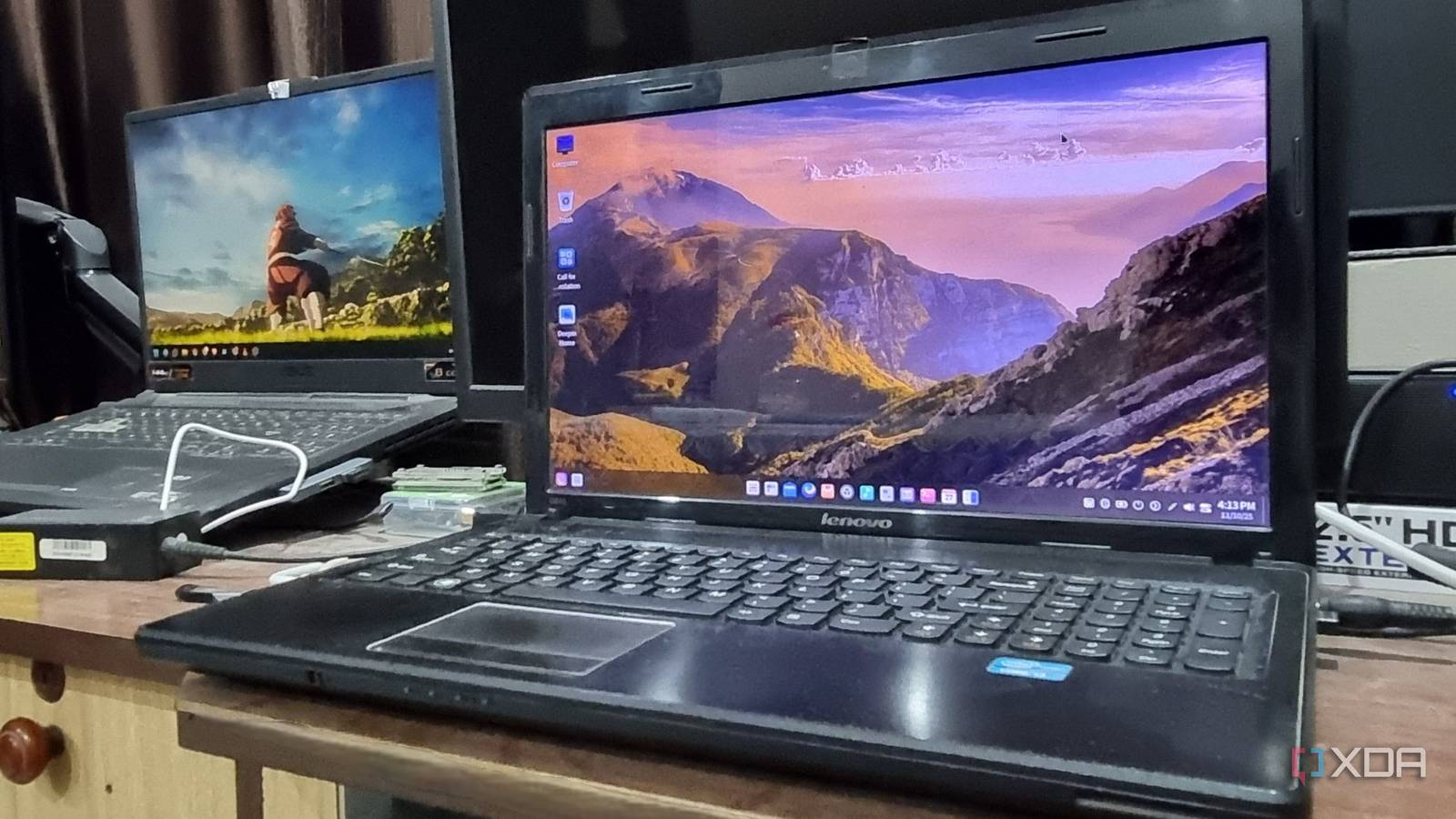
In the ever-evolving landscape of open-source software, trust and security are the bedrock upon which communities are built. When these foundations are shaken, the repercussions can be severe, as evidenced by the recent decisions of two prominent Linux distributions, Fedora and SUSE, to cease support for Deepin packages. This move marks a significant downturn for Deepin, a distribution once lauded for its sleek design and user-friendly interface, now grappling with a crisis of confidence that threatens its very existence within the mainstream Linux ecosystem.
A Troubling Pattern Emerges: Fedora's Ultimatum
Fedora, a community-driven and Red Hat-sponsored distribution known for its commitment to cutting-edge technology and robust security, recently announced its decision to retire Deepin packages. This was not a hasty move but the culmination of persistent issues, primarily revolving around unaddressed security vulnerabilities and a concerning lack of communication from Deepin's maintainers. The Fedora project, which prides itself on rigorous package review and maintenance standards, found itself in an untenable position. Despite repeated attempts to engage with Deepin developers to resolve reported security flaws, the dialogue remained largely one-sided, or worse, non-existent. This left Fedora's maintainers with no choice but to protect their users from potential risks by removing the problematic software.
The decision was preceded by a final, public contact window, a clear signal that Fedora was extending every possible opportunity for Deepin to rectify the situation. The message was unequivocal: Deepin could only return to Fedora's repositories if its maintainers demonstrated a renewed commitment to security patching, active communication, and adherence to the community's stringent standards. This ultimatum underscores a critical principle in open-source development: collaboration and responsiveness are not optional; they are fundamental requirements for inclusion in major distributions.
SUSE's Precedent: The First Domino Falls
While Fedora's announcement sent ripples through the Linux community, it was not the first major distribution to part ways with Deepin. SUSE, another venerable name in the enterprise Linux space, had already taken similar action in May 2025 (as per source, assuming a typo and it meant 2024 or an upcoming event, but following the source's date). SUSE's rationale mirrored Fedora's: security concerns and instances of review bypasses. The term "review bypasses" is particularly alarming, suggesting that Deepin packages might have circumvented standard security and quality control processes, potentially introducing unvetted or vulnerable code into users' systems. For a distribution like SUSE, which caters heavily to corporate environments where stability and security are paramount, such practices are simply unacceptable.
SUSE's early departure set a precedent, indicating a growing intolerance among established distributions for projects that fail to meet basic security and transparency benchmarks. This dual rejection from two highly respected Linux powerhouses sends a strong, unambiguous message: the open-source community prioritizes user safety and maintainer accountability above all else. The cumulative effect of these decisions paints a grim picture for Deepin's immediate future and its standing within the broader Linux ecosystem.
The Broader Implications for Open Source Trust
This saga extends beyond just Deepin; it serves as a stark reminder of the inherent challenges and responsibilities within the open-source model. While open source champions transparency and collaborative development, it also relies heavily on the diligence of maintainers and the integrity of upstream projects. When a project like Deepin, which has a significant user base and contributes its own desktop environment (DDE) to other distributions, fails to uphold these standards, it erodes trust not just in the project itself, but potentially in the broader open-source paradigm.
* User Security: The primary concern is always the end-user. Unpatched vulnerabilities can lead to data breaches, system compromise, and other malicious activities. Distributions like Fedora and SUSE act as crucial gatekeepers, protecting their users from such risks. * Maintainer Burden: When upstream projects are unresponsive, downstream maintainers are left with the impossible task of patching vulnerabilities themselves or, as in this case, removing the package entirely. This is an unsustainable model that drains resources and frustrates dedicated community members. * Ecosystem Health: The health of the open-source ecosystem depends on a network of reliable projects. When one link in the chain weakens significantly, it impacts the stability and security of dependent projects and distributions.
The Deepin situation highlights the critical need for robust security practices, clear communication channels, and a commitment to community standards from all open-source projects, regardless of their popularity or aesthetic appeal. The allure of a beautiful desktop environment cannot outweigh the fundamental requirement of security.
What's Next for Deepin and Its Users?
For current Deepin users, especially those running it on Fedora or SUSE-based systems, the immediate future presents uncertainty. While existing installations might continue to function, the lack of ongoing security updates from these distributions means a rapidly increasing risk profile. Users may need to consider migrating to other distributions or finding alternative desktop environments that are actively maintained and supported within their chosen Linux flavor.
For Deepin itself, the path forward is challenging but not impossible. To regain the trust of major distributions and the wider open-source community, a fundamental shift in its development and communication practices is imperative. This would involve:
* Proactive Security Audits: Regularly auditing their codebase for vulnerabilities. * Transparent Vulnerability Disclosure: Establishing clear processes for reporting and addressing security issues. * Active Community Engagement: Participating in discussions, responding to bug reports, and collaborating with downstream maintainers. * Adherence to Standards: Ensuring their packages meet the security and quality standards of major distributions.
The decisions by Fedora and SUSE are not merely technical adjustments; they are a strong reaffirmation of the core values that underpin the open-source world: security, transparency, and collaborative responsibility. Deepin's journey from a visually stunning newcomer to a project facing widespread rejection serves as a cautionary tale, emphasizing that in the realm of software, aesthetics are fleeting, but trust, once lost, is incredibly difficult to rebuild. The open-source community, through these actions, has sent a clear message: security is non-negotiable.
Stay Informed
Get the world's most important stories delivered to your inbox.
No spam, unsubscribe anytime.
Comments
No comments yet. Be the first to share your thoughts!