Deportation Shockwave: LA Restaurateur's Arrest Ignites Immigration Debate
The arrest and impending deportation of Carlos Lool, a beloved Los Angeles restaurateur, after a former employee allegedly reported him to ICE, has sent shockwaves through the community. This incident highlights the precarious lives of undocumented immigrants, even those who have built successful businesses and families in the U.S. It also sparks critical conversations about immigration policies, workplace disputes, and the human cost of enforcement.
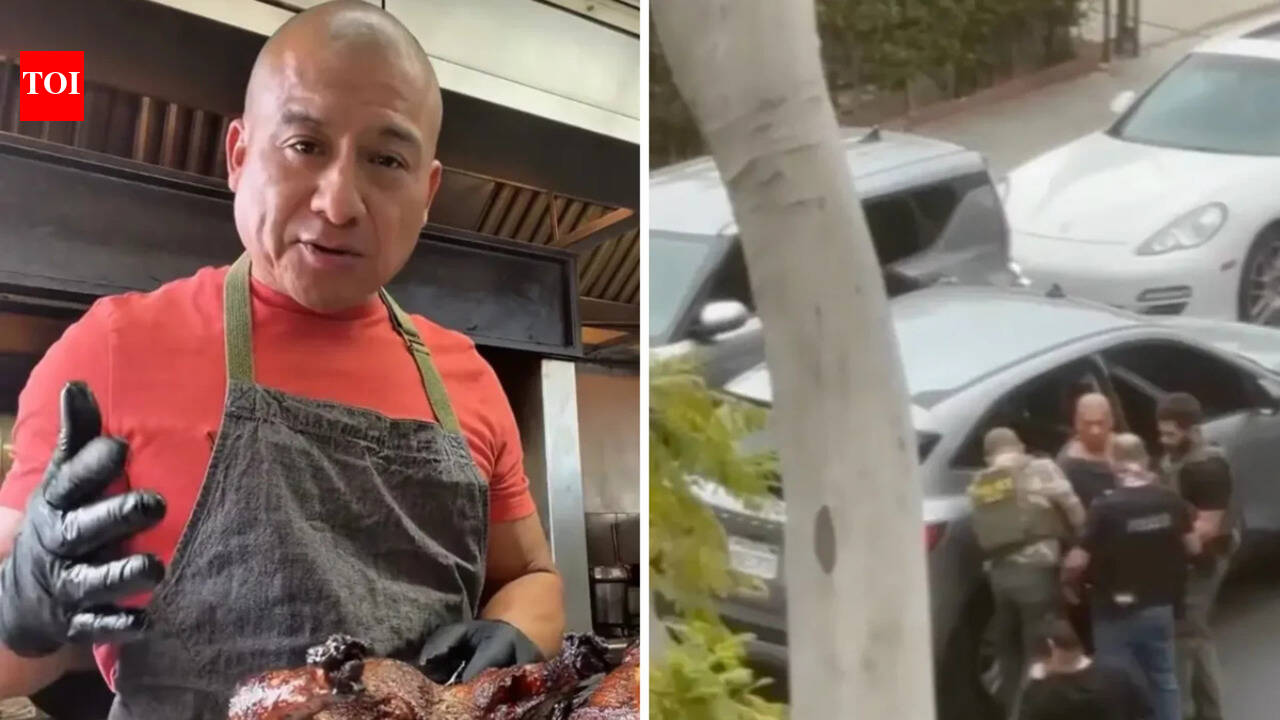
In the vibrant culinary landscape of Los Angeles, where immigrant dreams often take root and flourish, a recent event has cast a chilling shadow, exposing the raw vulnerability of those living in the shadows of the law. Carlos Lool, a popular restaurateur whose establishments have become beloved fixtures in the city, now faces the grim reality of deportation, his life and family torn asunder. His arrest by Immigration and Customs Enforcement (ICE) agents, reportedly triggered by a tip-off from a disgruntled former employee, has ignited a fierce debate about immigration policy, workplace ethics, and the profound human cost of enforcement.
Lool's story is, in many ways, a quintessential American tale of entrepreneurship and hard work. He arrived in the United States, like millions before him, seeking opportunity and a better life. Through dedication and culinary talent, he built a successful restaurant business, creating jobs and contributing to the local economy. His restaurants were not just places to eat; they were community hubs, testaments to his resilience and the American dream. Yet, beneath this veneer of success lay the constant, gnawing fear of his undocumented status, a fear that has now materialized into his worst nightmare. His children, born and raised in the U.S., now face the prospect of their father's absence, a painful consequence of a system that often prioritizes legal status over established family ties and community contributions.
The Unfolding Drama: A Betrayal and Its Aftermath
The details surrounding Lool's arrest are particularly poignant. According to his family, the catalyst was a tip from a former employee to authorities, alleging that Lool kept a gun at his restaurant. While the legality of possessing a firearm, even for self-defense, can be complex, especially for non-citizens, the immediate consequence was not a local criminal charge but an immigration detention. This sequence of events raises critical questions about the intersection of local law enforcement, immigration agencies, and the potential for personal vendettas to be weaponized within the immigration system. Was the tip genuinely about public safety, or was it a retaliatory act designed to exploit Lool's vulnerable status? The answer remains unclear, but the outcome is devastatingly clear for Lool and his family.
ICE's swift action, based on what appears to be an administrative immigration violation rather than a violent crime, underscores the agency's broad mandate and its often-criticized enforcement priorities. Critics argue that such arrests, especially of individuals deeply embedded in their communities and with no violent criminal record, undermine public trust and deter undocumented individuals from reporting crimes or cooperating with local authorities. The fear of deportation becomes a pervasive shadow, impacting not just individuals but entire communities.
A Broader Context: Immigration Policy and its Discontents
Lool's case is not an isolated incident but a stark illustration of the ongoing complexities and controversies surrounding U.S. immigration policy. For decades, the nation has grappled with the presence of millions of undocumented immigrants, many of whom, like Lool, have lived and worked in the country for years, raising families and contributing significantly to society. The lack of comprehensive immigration reform has left these individuals in a perpetual state of legal limbo, vulnerable to enforcement actions at any moment.
Historically, immigration enforcement has seen shifts in focus. While some administrations prioritized deporting individuals with serious criminal records, others have adopted broader enforcement strategies, leading to an increase in arrests of individuals with minor offenses or solely on administrative grounds. The current political climate often fuels a narrative that demonizes undocumented immigrants, overlooking their economic contributions and the deep personal ties they form within American communities. Statistics from organizations like the Pew Research Center consistently show that undocumented immigrants are vital to various sectors of the U.S. economy, from agriculture and construction to hospitality and small business ownership. Their removal creates economic vacuums and social disruption.
The Human Cost: Families Torn Apart
The most heartbreaking aspect of Lool's situation, and countless others like it, is the profound impact on families. His U.S.-citizen children now face the prospect of growing up without their father, or being forced to relocate to an unfamiliar country. This separation inflicts deep emotional trauma, affecting children's development, education, and overall well-being. Studies by organizations such as the Center for American Progress have documented the long-term psychological and economic consequences for families separated by deportation, highlighting issues like increased poverty, mental health struggles, and academic decline among children.
Advocates for immigrant rights argue that current policies fail to adequately consider the best interests of the child and the principle of family unity. They contend that a more humane approach would involve pathways to legal status for long-term residents with strong community ties, rather than policies that tear families apart. The economic argument also weighs heavily: removing contributing members of society often results in a net loss, both in terms of tax revenue and the social fabric of communities.
Legal Battles and Community Support
As Lool's legal team prepares to fight his deportation, his case has garnered significant community support. Petitions are circulating, protests are being organized, and local leaders are speaking out, urging for a stay of deportation and a reevaluation of his case. This outpouring of solidarity underscores the deep roots Lool has established in Los Angeles and the community's recognition of his value beyond his immigration status. These community efforts, while not always successful, can sometimes sway public opinion and influence legal outcomes, particularly when they highlight the unjust nature of a particular enforcement action.
However, the legal avenues for challenging deportation are often complex, costly, and fraught with uncertainty. The burden of proof often falls heavily on the individual facing deportation, and the legal system can be a labyrinth for those without significant resources or expert legal counsel. This disparity in access to justice further exacerbates the challenges faced by undocumented immigrants.
Looking Ahead: A Call for Compassion and Comprehensive Reform
Carlos Lool's story serves as a powerful microcosm of the larger immigration debate gripping the United States. It forces a critical examination of who we are as a nation, how we treat those who contribute to our society, and the values we uphold. Is the goal of immigration enforcement solely to remove individuals, regardless of their contributions or family ties, or should it be balanced with principles of compassion, economic reality, and family unity?
The incident also highlights the ethical dilemmas inherent in workplace disputes when one party holds a precarious legal status. It prompts a discussion on whether a system that allows for such weaponization of immigration status truly serves justice or merely perpetuates fear and division. As the nation continues to grapple with its immigration future, cases like Lool's underscore the urgent need for comprehensive immigration reform that addresses the realities of millions of long-term undocumented residents. Such reform would ideally provide clear pathways to legal status, prioritize family unity, and ensure that enforcement actions are humane, just, and proportionate. Only then can the American dream truly be accessible to all who work tirelessly to build it, without the constant threat of having it snatched away.
Stay Informed
Get the world's most important stories delivered to your inbox.
No spam, unsubscribe anytime.
Comments
No comments yet. Be the first to share your thoughts!