Diablo 4's Lord of Hatred: A Triumphant Return, Yet Fashion's Frontier Remains Untamed
Blizzard's highly anticipated Lord of Hatred expansion has reignited passion for Diablo 4, drawing players back with its rich narrative and engaging gameplay. However, amidst the excitement, a peculiar demand has emerged from the community: a fervent desire for more comprehensive dye customization options. This article delves into how this seemingly minor cosmetic feature impacts player engagement and the broader ARPG landscape, highlighting the evolving relationship between gameplay and personal expression.
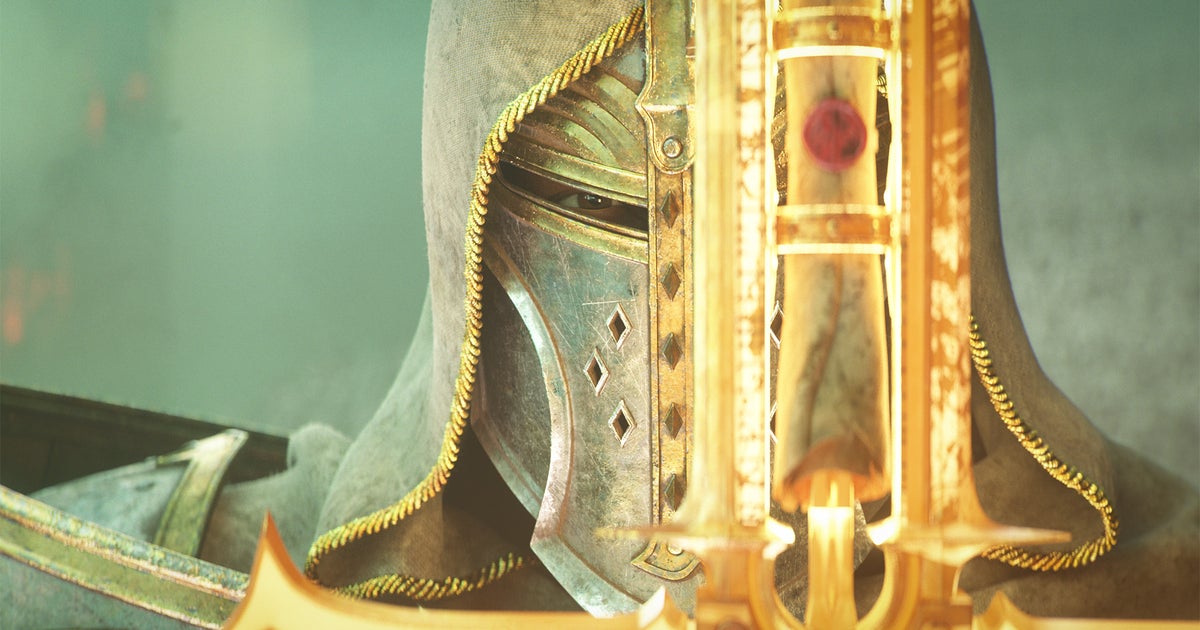
In the ever-evolving landscape of massively multiplayer online role-playing games (MMORPGs) and action RPGs (ARPGs), player engagement is a delicate balance of compelling narrative, robust gameplay, and, increasingly, personal expression. Blizzard Entertainment's Diablo 4, a title that launched to mixed critical reception but undeniable commercial success, recently sought to reaffirm its standing with the release of its highly anticipated Lord of Hatred expansion. This new chapter, set to propel the dark fantasy saga forward, has largely succeeded in its mission, drawing back legions of players eager to delve into fresh content, new classes, and expanded lore. Yet, amidst the fervent praise and renewed enthusiasm, a curious, almost paradoxical, demand has risen from the depths of the player base: a desperate plea for more dyes.
The Resurgence of Sanctuary: Lord of Hatred's Impact
The Lord of Hatred expansion was not merely an add-on; it was a statement. Following a period where Diablo 4 struggled to maintain consistent player numbers and address community feedback, the expansion arrived as a crucial turning point. Early reports and player testimonials suggest a significant revitalization. The introduction of a new class, likely a fan-favorite or an innovative archetype, alongside substantial story progression and quality-of-life improvements, has successfully recaptured the essence of what makes Diablo games so addictive. The dark, gothic atmosphere, the visceral combat, and the endless pursuit of powerful loot are all present and accounted for, enhanced by the new content. This expansion represents a critical effort by Blizzard to listen to its community and deliver on the promise of a living, breathing Sanctuary.
Historically, Diablo expansions have been pivotal moments, often refining the core game and adding layers of depth that cement their legacy. Diablo II: Lord of Destruction and Diablo III: Reaper of Souls are prime examples, each dramatically improving their base games. The Lord of Hatred appears to be following this tradition, aiming to not only expand the world but also to refine the player experience, addressing criticisms ranging from endgame variety to itemization. The narrative stakes are higher, the enemies more formidable, and the rewards more enticing, creating a compelling reason for both veterans and newcomers to immerse themselves once more in the eternal conflict.
The Unsung Hero of ARPGs: Fashion and Customization
While the thrill of vanquishing demons and acquiring legendary gear remains central to the Diablo experience, a parallel, equally potent desire has grown within the ARPG community: the yearning for personal expression. In a game where players spend hundreds, if not thousands, of hours staring at their character's back, the ability to customize one's appearance becomes paramount. It's not just about looking good; it's about identity, about standing out in a sea of fellow adventurers, and about showcasing one's unique journey through Sanctuary. Diablo 4, to its credit, launched with a robust transmogrification system, allowing players to alter the appearance of their gear. However, the current selection of dyes, while present, is often described by players as limited, uninspired, or simply insufficient to meet their creative demands.
This isn't a new phenomenon. Games like Guild Wars 2, Final Fantasy XIV, and even other ARPGs have long understood the power of cosmetic customization. They offer vast palettes of colors, intricate armor sets, and diverse options that allow players to truly make their character their own. For many, the endgame isn't just about the highest damage numbers; it's about perfecting their character's aesthetic, creating a visual narrative that complements their gameplay style. The absence of a rich dye system in Diablo 4, especially after a major expansion, feels like a missed opportunity to fully empower players in this crucial aspect of modern gaming. Players want to dye individual armor pieces, combine colors in unique ways, and access a broader spectrum of hues that reflect the grim yet vibrant world of Sanctuary.
The Psychology of Dyes: Why Color Matters in Gaming
The demand for more dyes might seem trivial to an outsider, but for the dedicated player base, it taps into fundamental psychological principles of ownership and self-expression. When players invest significant time and effort into a virtual avatar, that avatar becomes an extension of themselves. The ability to personalize its appearance reinforces this connection, fostering a deeper sense of attachment and investment in the game world. A unique color scheme can transform a generic armor set into a signature look, enhancing the player's sense of accomplishment and individuality.
Furthermore, color plays a significant role in visual communication and identity. In a game like Diablo, where players often group up, a distinctive look can help establish a player's presence, their role, or even their personality. It's a non-verbal form of storytelling. From a business perspective, cosmetic customization is also a proven revenue stream. Games that offer extensive cosmetic options often see high engagement with their in-game stores, demonstrating that players are willing to pay for ways to express themselves. Blizzard has already embraced this model with various cosmetic bundles, but the underlying dye system needs to be robust enough to support this ecosystem effectively. The current limitations suggest a disconnect between the potential for cosmetic depth and the actual implementation.
Expert Analysis: Balancing Core Gameplay with Player Desires
Game developers constantly grapple with balancing core gameplay mechanics, narrative progression, and player-driven features. For an ARPG like Diablo 4, the primary focus will always be on combat, loot, and character progression. However, as the genre matures, the definition of a 'complete' experience expands to include elements that enhance player agency and immersion. "The demand for dyes isn't just about aesthetics; it's about control," explains Dr. Anya Sharma, a sociologist specializing in digital cultures. "Players want to feel like they have agency over their virtual selves, and customization is a powerful tool for that. Neglecting this aspect can lead to a feeling of disconnect, even if the core gameplay is excellent."
Industry analysts also point out that robust customization options contribute to game longevity. When players feel a strong personal connection to their characters, they are more likely to continue playing, participate in community events, and even evangelize the game to others. The relatively low effort required to implement a comprehensive dye system, compared to, say, developing a new class, makes it a high-impact, low-cost improvement that could significantly boost player satisfaction. Blizzard has shown a willingness to adapt and respond to player feedback with the Lord of Hatred expansion; the next logical step would be to address these persistent cosmetic concerns.
The Future of Fashion in Sanctuary
The Lord of Hatred expansion has undoubtedly breathed new life into Diablo 4, proving that Blizzard can still deliver compelling content that resonates with its dedicated fanbase. The foundation for a truly great ARPG is stronger than ever. However, the persistent clamor for more dyes serves as a potent reminder that player desires extend beyond just slaying demons and collecting legendary gear. In the modern gaming era, personalization is not a luxury; it's an expectation.
Looking forward, Blizzard has an opportunity to further solidify Diablo 4's position as a leading ARPG by embracing the full spectrum of player engagement, including the often-underestimated power of cosmetic customization. Implementing a more expansive, flexible, and creative dye system would not only satisfy a vocal segment of the community but also enhance the overall immersion and replayability for all players. As Sanctuary continues to evolve, so too must the ways in which its heroes express themselves. The path to true victory in Diablo 4 might just be paved with a rainbow of possibilities, allowing players to not only conquer evil but to do so with unparalleled style. The Lord of Hatred has opened new doors; now it's time to paint them in every shade imaginable.
Stay Informed
Get the world's most important stories delivered to your inbox.
No spam, unsubscribe anytime.
Comments
No comments yet. Be the first to share your thoughts!