Downing Street Bomb Hoax: Man Denies Charges, Raising Security Questions in UK's Political Heart
Stephen Abbott, 59, has pleaded not guilty to making a bomb hoax outside Downing Street, an incident that momentarily rattled the UK's political epicenter. This case highlights persistent security challenges in high-profile areas and sparks debate on the balance between public access and national safety. As legal proceedings unfold, the incident prompts a deeper look into the psychological underpinnings of such threats and their broader societal impact.
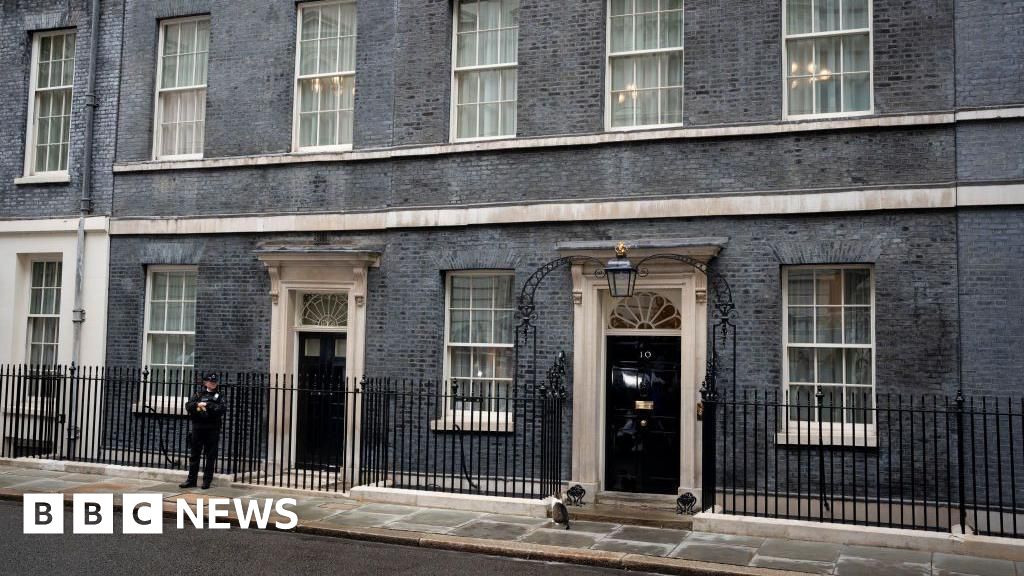
The tranquil facade of Whitehall, a street synonymous with British power and tradition, was momentarily shattered on October 15th by an alleged bomb threat outside the gates of 10 Downing Street. Stephen Abbott, a 59-year-old man from Huntingdon, Cambridgeshire, stands accused of telling police he was carrying a bomb, a claim that triggered an immediate security response and sent ripples of concern through the nation's capital. Now, in a development that adds another layer to this unfolding drama, Abbott has formally denied the offence in court, setting the stage for a potentially protracted legal battle and reigniting crucial conversations about security, public access, and the nature of threats in an increasingly volatile world.
The Incident: A Moment of High Alert
The alleged incident occurred at a location steeped in history and political significance. 10 Downing Street, the official residence and office of the Prime Minister, is arguably the most recognizable address in British politics, a symbol of stability and governance. Whitehall itself is a thoroughfare lined with government ministries, monuments, and iconic landmarks, making it a constant hub of activity for tourists, civil servants, and protesters alike. The very notion of a bomb threat in such a sensitive area, regardless of its veracity, is enough to trigger a maximum security response, involving armed police, specialist units, and potential evacuations. On that October day, the immediate concern would have been to ascertain the credibility of the threat, secure the area, and ensure the safety of everyone in the vicinity, including the Prime Minister and staff within Downing Street.
Such incidents, even if false alarms, place immense strain on emergency services and disrupt the normal functioning of government. They serve as stark reminders of the constant vigilance required to protect high-value targets and public figures. The details surrounding Abbott's alleged statement—what exactly was said, to whom, and in what context—will be central to the prosecution's case and the defense's strategy. His denial suggests a challenge to the prosecution's interpretation of events or perhaps the intent behind his words. The legal process will now seek to unravel these complexities, examining evidence, witness testimonies, and the precise sequence of events that led to his arrest and subsequent charge.
Historical Context: Security Challenges in the UK
The United Kingdom, particularly its capital, has a long and often tragic history of dealing with security threats, ranging from IRA bombings in the late 20th century to more recent extremist attacks. The area around Downing Street and Parliament Square has been a frequent target or focal point for both legitimate protest and malevolent intent. Iconic incidents like the 2017 Westminster Bridge attack, which saw a vehicle ram pedestrians and a police officer stabbed outside Parliament, underscore the persistent vulnerability of even the most heavily guarded locations. These events have led to significant enhancements in security measures, including: * Increased police presence: Visible and plainclothes officers, often armed. * Physical barriers: Bollards, gates, and reinforced structures to prevent vehicle attacks. * Advanced surveillance: CCTV networks and other monitoring technologies. * Intelligence gathering: Proactive efforts to identify and neutralize threats before they materialize.
Despite these extensive precautions, the sheer volume of people traversing Whitehall daily presents an inherent challenge. Balancing robust security with the principles of an open democracy, which values public access and the right to protest, is a perpetual tightrope walk for authorities. Every incident, even a hoax, forces a re-evaluation of these balances and often leads to further refinements in security protocols. The public's perception of safety is also a critical factor; repeated incidents, even minor ones, can erode public confidence and foster an atmosphere of anxiety. This incident, while perhaps not as grave as a successful attack, contributes to that ongoing narrative of vigilance and vulnerability.
The Legal Road Ahead: Intent and Public Order
Stephen Abbott's denial means the case will proceed to trial, where the prosecution will need to prove beyond reasonable doubt that he committed the offence of making a bomb hoax. This typically involves demonstrating not only that the statement was made but also that it was made with the intention of inducing a false belief that a bomb was present, thereby causing alarm or fear. The defense, conversely, might argue that the statement was misinterpreted, made in jest, or lacked the necessary intent to constitute a criminal offence. The legal definition of a 'bomb hoax' is precise, and the outcome will hinge on how the court interprets the evidence presented.
Cases involving public order offences, especially those in politically sensitive areas, often attract significant public and media attention. The potential penalties for such an offence can range from fines to imprisonment, depending on the severity and impact of the hoax. Beyond the immediate legal consequences for Abbott, the trial will inevitably bring to light details about the immediate security response, the conduct of the police, and the wider implications for public safety in the heart of London. It will also serve as a reminder of the seriousness with which authorities treat any threat, real or perceived, to national security and public order.
Broader Implications: A Society on Edge
This incident, though seemingly isolated, reflects a broader societal tension. In an era of heightened global instability and rapid information dissemination, even unsubstantiated threats can have disproportionate impacts. The psychological toll on a society constantly on alert, processing news of various threats and attacks, is significant. There's a fine line between necessary vigilance and pervasive anxiety. For the authorities, the challenge is not just to prevent actual attacks but also to manage the public's perception of risk and to respond effectively to all forms of threats, including hoaxes, which can divert critical resources from genuine emergencies.
Furthermore, such incidents often spark debates about mental health and its intersection with criminal behavior. While it is premature to speculate on the motivations behind Abbott's alleged actions, cases involving unusual or seemingly irrational behavior sometimes raise questions about the individual's state of mind. Society grapples with how to address individuals who may pose a threat, whether intentional or otherwise, while also upholding principles of justice and compassion. The Downing Street bomb hoax, therefore, is not merely a legal case but a microcosm of larger societal dilemmas concerning security, mental well-being, and the rule of law in a complex modern world.
As the legal process unfolds, the public and policymakers will undoubtedly be watching closely. The outcome of Stephen Abbott's trial will not only determine his fate but may also contribute to the ongoing discourse about how best to safeguard the symbols of democracy and the people who inhabit them, without turning the vibrant public spaces of a capital city into fortresses. It's a delicate balance, constantly re-evaluated in the face of new challenges and the enduring human element of both threat and resilience.
Stay Informed
Get the world's most important stories delivered to your inbox.
No spam, unsubscribe anytime.
Comments
No comments yet. Be the first to share your thoughts!