Drone Attack on Barakah Nuclear Plant: A New Front in Middle East Tensions
A recent drone strike near the Barakah Nuclear Power Plant in Abu Dhabi has ignited concerns over regional stability and the vulnerability of critical infrastructure. While Emirati authorities confirmed a fire in an electrical generator outside the plant's core protective zone, the incident underscores the evolving nature of asymmetric warfare. This event, claimed by Yemen's Houthi rebels, highlights the complex geopolitical landscape and the potential for escalation in the Gulf.
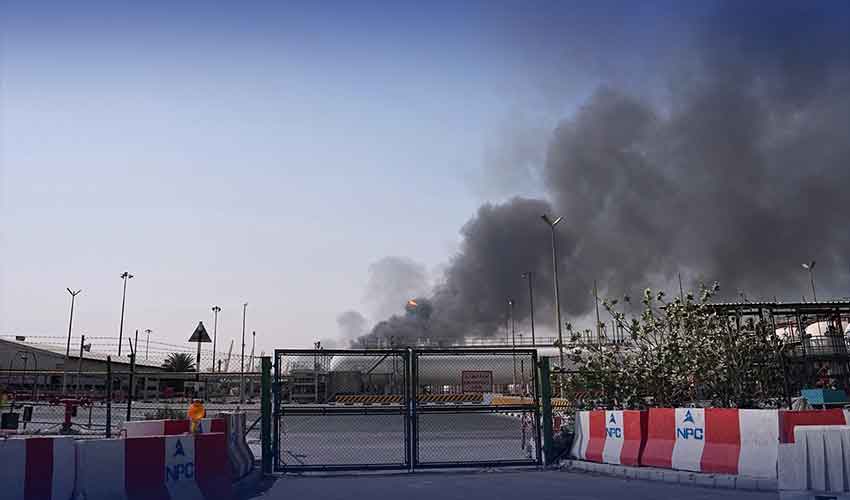
The tranquil desert landscape surrounding Abu Dhabi’s Barakah Nuclear Power Plant was shattered recently by an incident that sent ripples of concern across the Middle East and beyond. A drone strike, confirmed by Emirati authorities, caused a fire in an electrical generator located outside the plant’s internal protective zone. While the immediate threat to the nuclear facility itself was averted, the attack – claimed by Yemen’s Houthi rebels – represents a significant escalation in regional tensions and spotlights the growing vulnerability of critical infrastructure to sophisticated asymmetric warfare.
The Abu Dhabi Media Office swiftly reported that emergency teams responded to the incident in the Al Dhafra region, emphasizing that the fire was quickly brought under control and occurred away from the plant’s core nuclear operations. This swift containment was crucial in preventing a wider panic, yet the implications of such an attack on a nuclear site, even an ancillary one, are profound. It forces a re-evaluation of security protocols, not just for nuclear facilities but for vital energy and economic assets across the Gulf Cooperation Council (GCC) states.
The Evolving Threat Landscape: Drones as Weapons of Choice
The use of drones in warfare is not new, but their deployment in attacks targeting sensitive infrastructure has become increasingly prevalent and sophisticated. From the 2019 attacks on Saudi Aramco oil facilities to more recent incidents, unmanned aerial vehicles (UAVs) offer non-state actors and regional proxies a cost-effective means to project power and inflict damage. These drones, often modified commercial models or purpose-built military variants, can evade traditional air defenses designed for larger, faster targets like fighter jets or ballistic missiles. Their low radar signature, small size, and ability to fly at low altitudes make them particularly challenging to detect and intercept.
For the Houthi rebels in Yemen, who have been locked in a protracted conflict with a Saudi-led coalition that includes the UAE, such attacks serve multiple purposes. They are a means of retaliation, a demonstration of capability, and a psychological warfare tactic aimed at disrupting economic stability and undermining confidence in the targeted nations’ security. The claim of responsibility by the Houthis, though often difficult to independently verify, aligns with their established pattern of targeting infrastructure in Saudi Arabia and, increasingly, the UAE.
Barakah: A Symbol of Progress and Vulnerability
The Barakah Nuclear Power Plant is a landmark project for the United Arab Emirates, symbolizing its ambitions for diversified energy sources and technological advancement. Developed by the Emirates Nuclear Energy Corporation (ENEC) and Korea Electric Power Corporation (KEPCO), it is the Arab world’s first operational nuclear power plant. Its four reactors are projected to supply up to 25% of the UAE’s electricity needs, significantly reducing its carbon footprint and reliance on fossil fuels. The plant's strategic importance cannot be overstated, making it a high-value target for adversaries seeking to destabilize the region.
Security at Barakah has always been paramount, designed to meet the highest international safety standards set by the International Atomic Energy Agency (IAEA). It features multiple layers of physical and cyber security, including a robust internal protective zone. However, the latest incident demonstrates that even the most fortified facilities are not entirely immune to external threats, particularly those employing novel methods of attack. The fact that the strike occurred outside the primary containment zone is a testament to existing defenses, but also a stark reminder of the need for continuous adaptation and enhancement of security measures against evolving threats.
Geopolitical Implications and Regional Stability
This drone strike comes at a particularly delicate time for regional diplomacy. The UAE has recently engaged in efforts to de-escalate tensions with Iran, a key backer of the Houthi movement. Such attacks threaten to derail these nascent diplomatic overtures, potentially pushing the region back towards a cycle of confrontation. The incident also puts pressure on international powers, including the United States, to address the proliferation of drone technology and its impact on global security.
Internally, the UAE has maintained a calm and controlled response, emphasizing its robust defense capabilities and commitment to safeguarding its citizens and infrastructure. However, the repeated nature of these attacks – including previous drone and missile attempts on Abu Dhabi – necessitates a strategic re-evaluation. This might involve: * Enhanced Air Defense Systems: Deploying more advanced anti-drone and anti-missile systems. * Intelligence Sharing: Strengthening collaboration with international partners to track and neutralize threats before they materialize. * Diplomatic Pressure: Increasing diplomatic efforts to de-escalate regional conflicts and curb the flow of weapons to non-state actors. * Public Awareness: Informing the public about security measures while maintaining calm.
Looking Ahead: The Future of Security in the Gulf
The drone strike near Barakah is more than just an isolated incident; it is a symptom of a broader, more complex security challenge facing the Middle East. The proliferation of advanced weaponry, coupled with persistent regional conflicts and the rise of proxy warfare, creates an environment where critical infrastructure remains perpetually at risk. For the UAE and its allies, the imperative is clear: to not only bolster physical defenses but also to invest in cutting-edge detection technologies, cyber security, and robust intelligence networks capable of preempting such attacks.
The international community, too, bears a responsibility to address the root causes of these conflicts and to work towards a more stable and secure Middle East. Without a concerted effort to curb the flow of arms, de-escalate tensions, and foster political solutions, incidents like the one at Barakah will likely become more frequent, posing an ever-present threat to vital global energy supplies and the safety of millions. The Barakah incident serves as a potent reminder that in the interconnected world of today, a localized conflict can have far-reaching consequences, demanding a global response.
Stay Informed
Get the world's most important stories delivered to your inbox.
No spam, unsubscribe anytime.
Comments
No comments yet. Be the first to share your thoughts!