Egypt's Green Revolution: Powering the Future with 2,500 MW Renewable Surge
Egypt is set to dramatically expand its renewable energy capacity, planning to add an impressive 2,500 megawatts to its national grid by 2026. This ambitious initiative aims to bolster electricity stability, enhance grid efficiency, and firmly establish the nation's commitment to a cleaner energy future. The move is a critical step in Egypt's broader strategy to diversify its energy mix and reduce reliance on fossil fuels, aligning with global climate goals and domestic development objectives.
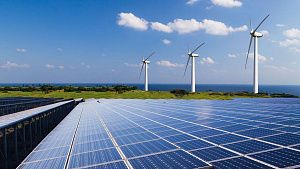
In a bold declaration of its commitment to sustainable development and energy independence, Egypt is poised to inject an additional 2,500 megawatts (MW) of renewable energy capacity into its national grid by 2026. This significant expansion marks a pivotal moment in the nation's ongoing energy transition, promising not only to enhance electricity stability and efficiency but also to accelerate its journey towards a cleaner, greener future. The announcement, stemming from high-level discussions within the Egyptian government, underscores a strategic vision that positions renewable energy at the core of the country's economic and environmental agenda.
A Nation's Pivotal Shift: From Fossil Fuels to Green Power
For decades, Egypt's energy landscape has been dominated by traditional fossil fuels, primarily natural gas and oil. While these resources have fueled industrial growth and provided essential power, their environmental impact and price volatility have increasingly become concerns. Recognizing the imperative for change, Egypt embarked on an ambitious energy diversification strategy, with renewable energy sources like solar and wind power taking center stage. This shift is not merely an environmental undertaking; it's an economic one, aimed at reducing fuel import costs, creating new industries, and securing a stable energy supply for its rapidly growing population.
The 2,500 MW target for 2026 is a testament to the accelerated pace of this transition. It represents a substantial leap from previous incremental additions and signals a clear intent to leverage Egypt's abundant natural resources – its vast deserts for solar farms and extensive coastlines for wind energy projects. This commitment aligns with Egypt's broader Vision 2030 goals, which emphasize sustainable development, economic diversification, and an improved quality of life for its citizens. The nation has already made significant strides, with landmark projects like the Benban Solar Park, one of the largest solar installations in the world, showcasing its potential and capability in large-scale renewable energy deployment.
Strengthening the Grid: Stability, Efficiency, and Resilience
The integration of an additional 2,500 MW of renewable energy is expected to have profound positive impacts on Egypt's national grid. Grid stability, a perennial challenge for many developing economies, stands to benefit immensely. By diversifying the energy mix, the system becomes less vulnerable to fluctuations in the supply or price of any single fuel source. Moreover, modern renewable energy plants often come equipped with advanced grid integration technologies, including smart grid solutions and energy storage systems, which can help manage intermittency and ensure a consistent power supply.
* Enhanced Reliability: Reduced dependence on a single energy source minimizes risks of outages due to supply chain disruptions or geopolitical events affecting fossil fuel markets. * Improved Efficiency: Newer renewable energy facilities typically operate with higher efficiency rates, translating to more power generated per unit of input. * Reduced Transmission Losses: Strategic placement of renewable energy projects closer to demand centers can help mitigate transmission losses, a common issue in extensive power grids. * Grid Modernization: The investment in renewable capacity often goes hand-in-hand with upgrades to the grid infrastructure, including digital controls and monitoring systems, making the entire network more resilient and responsive.
This push for grid stability is crucial for Egypt's industrial sector and for ensuring reliable electricity access for its burgeoning urban centers and rural communities. Uninterrupted power supply is a fundamental prerequisite for economic growth, attracting foreign investment, and improving the daily lives of millions.
Economic and Environmental Dividends: A Win-Win Scenario
The expansion of renewable energy in Egypt offers a dual benefit: significant economic advantages coupled with substantial environmental gains. Economically, the move is expected to:
* Create Jobs: The construction, operation, and maintenance of solar and wind farms require a skilled workforce, fostering job creation across various sectors. * Attract Investment: Egypt's clear commitment to renewables makes it an attractive destination for international investors and developers in the clean energy space. * Reduce Fuel Subsidies: By lessening reliance on imported fossil fuels, the government can reduce costly energy subsidies, freeing up funds for other public services. * Boost Local Manufacturing: The growing demand for renewable energy components can stimulate local manufacturing industries, further strengthening the economy.
Environmentally, the benefits are equally compelling. The 2,500 MW addition will significantly reduce Egypt's carbon footprint by displacing electricity generated from fossil fuels. This directly contributes to global efforts to combat climate change and helps Egypt meet its commitments under international agreements like the Paris Agreement. A cleaner energy mix also translates to improved air quality, particularly in densely populated areas, leading to better public health outcomes.
Furthermore, by showcasing its leadership in renewable energy, Egypt enhances its standing on the international stage, positioning itself as a key player in the global energy transition. This can open doors for technological exchange, partnerships, and further investment in sustainable development initiatives.
Challenges and the Road Ahead
While the prospects are bright, Egypt's renewable energy journey is not without its challenges. Integrating large-scale intermittent renewable sources into an existing grid requires sophisticated technical solutions, including advanced forecasting, flexible conventional power plants, and potentially large-scale energy storage. Financing these massive projects, though often attractive to international investors, still requires robust regulatory frameworks and transparent investment environments.
Moreover, developing the necessary human capital – engineers, technicians, and project managers – to design, build, and operate these advanced facilities is paramount. Educational and vocational training programs will be critical to ensure a sustainable pipeline of skilled professionals.
Looking ahead, Egypt's 2,500 MW renewable energy target for 2026 is more than just a number; it's a powerful statement of intent. It signifies a nation actively shaping its destiny, moving away from past dependencies towards a future powered by clean, sustainable energy. This ambitious expansion will not only light up homes and industries but also illuminate Egypt's path towards economic prosperity, environmental stewardship, and a leading role in the global green energy revolution. The world will be watching as Egypt continues to build on this momentum, transforming its energy landscape one solar panel and wind turbine at a time, setting a compelling example for other nations in the region and beyond.
Stay Informed
Get the world's most important stories delivered to your inbox.
No spam, unsubscribe anytime.
Comments
No comments yet. Be the first to share your thoughts!