Elon Musk's China Conundrum: Navigating Love, Loathing, and the Future of Tesla in Beijing
Elon Musk's relationship with China is a complex tapestry of admiration and intense scrutiny, reflecting the delicate balance foreign companies must strike in the world's second-largest economy. While lauded as a visionary, the Tesla boss has faced significant criticism from regulators and the public over customer service and data security. This article delves into the intricate dynamics of Musk's 'love-hate' affair with Beijing, exploring its implications for Tesla's global strategy and the broader landscape of tech entrepreneurship in China.
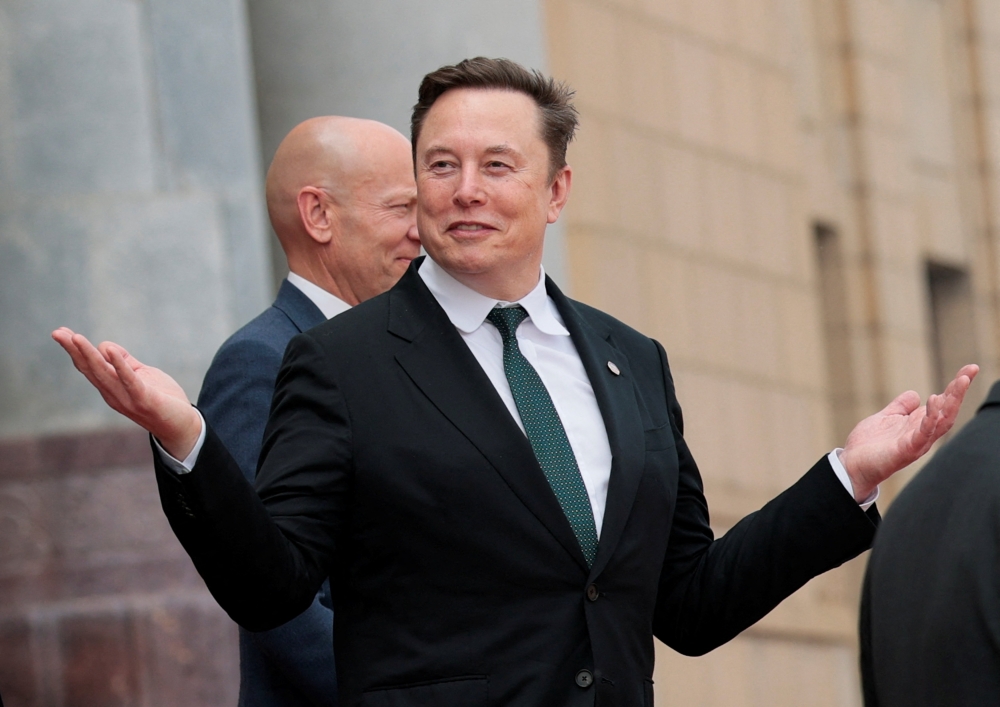
BEIJING, May 15 — In the bustling, ever-evolving landscape of China, Elon Musk, the enigmatic CEO of Tesla and SpaceX, has long been an object of intense fascination – a figure simultaneously revered as a visionary innovator and, at times, subjected to scathing criticism. His journey in the world's most populous nation is not merely a business story; it's a high-stakes geopolitical drama, a testament to the intricate dance between global capitalism and state control, and a microcosm of the challenges and opportunities facing foreign enterprises in the Middle Kingdom. For years, Musk has navigated this complex terrain with a blend of audacious ambition and pragmatic compromise, making China an indispensable, yet often unpredictable, cornerstone of Tesla's global empire.
His initial foray into China was met with unprecedented enthusiasm. Tesla's Gigafactory Shanghai, a marvel of modern manufacturing, was built at lightning speed, a testament to China's efficiency and its eagerness to embrace cutting-edge technology. This facility not only became Tesla's most productive plant but also a symbol of Musk's ability to forge deep ties with Chinese authorities, securing preferential treatment and massive market access. Chinese consumers, captivated by the allure of electric vehicles and Musk's rockstar persona, flocked to Tesla showrooms, transforming the brand into a status symbol. Yet, beneath this veneer of success, a more complicated narrative has unfolded, one punctuated by regulatory hurdles, public backlashes, and the ever-present shadow of geopolitical tensions.
The Dual Nature of Admiration and Scrutiny
Musk's experience in China epitomizes the dual nature of operating in the country. On one hand, he has been lauded as a technological pioneer, a disruptor who brought advanced EV manufacturing and a new standard of innovation to the Chinese market. His personal visits are often met with fanfare, and his pronouncements, particularly on social media, are closely followed. This admiration stems from China's strategic imperative to lead in electric vehicle technology and its appreciation for foreign expertise that can accelerate its domestic industrial goals. Tesla's early dominance provided a crucial benchmark for local competitors, pushing them to innovate faster and more effectively.
However, this adoration is frequently tempered by intense scrutiny. Chinese regulators, known for their strict oversight, have not hesitated to challenge Tesla. Incidents involving customer complaints about vehicle quality, safety, and service have often escalated into public relations crises, amplified by state media and social platforms. One notable example involved a customer protesting on top of a Tesla car at the Shanghai Auto Show, alleging brake failures. This incident, widely reported, led to a public apology from Tesla and a commitment to improve customer service. Such episodes highlight the sensitive nature of consumer rights in China and the government's readiness to intervene to protect its citizens' interests, even against a high-profile foreign entity. Moreover, concerns over data security, particularly regarding the vast amounts of data collected by Tesla vehicles, have prompted regulatory actions, including restrictions on where Tesla cars can be driven, such as military compounds and government facilities. This reflects China's broader strategy to control data flows and protect national security, a policy that impacts all tech companies operating within its borders.
Navigating the Regulatory Labyrinth and Local Competition
Operating in China means navigating a complex and often opaque regulatory labyrinth. For Tesla, this has involved adapting to evolving standards for vehicle safety, emissions, and, increasingly, data localization and cybersecurity. The Chinese government's approach is characterized by a mix of support and control, seeking to harness foreign technology while simultaneously fostering indigenous champions. Musk has largely played by these rules, often expressing public praise for China's economic policies and its workforce, a strategy that has helped maintain a relatively stable relationship with Beijing.
However, the landscape is rapidly changing. The initial head start Tesla enjoyed is now being challenged by a formidable array of domestic EV manufacturers. Companies like BYD, Nio, Xpeng, and Li Auto have matured rapidly, offering competitive products that are often more attuned to local tastes and preferences, and sometimes at lower price points. BYD, for instance, has surpassed Tesla in global EV sales, a clear indicator of the fierce competition. These local players benefit from government subsidies, robust supply chains, and a deep understanding of the Chinese consumer, making the market increasingly difficult for foreign brands to dominate. Tesla's market share, while still substantial, has faced erosion, forcing the company to continually innovate and adjust its pricing strategies to remain competitive.
The Geopolitical Tightrope Walk
Beyond market dynamics, Musk's China operations are inextricably linked to the broader geopolitical tensions between the United States and China. As the world's two largest economies engage in a technological and ideological rivalry, companies like Tesla find themselves caught in the crossfire. Musk's ventures, particularly SpaceX, have significant implications for national security, making his ties to China a subject of intense scrutiny in Washington. His public statements, such as those suggesting Taiwan could become a special administrative region of China, have drawn criticism from various quarters, highlighting the delicate tightrope he walks.
For Beijing, Tesla represents a successful example of foreign investment and a catalyst for its domestic EV industry. However, it also serves as a bargaining chip in its relationship with the US. The potential for decoupling or increased trade restrictions always looms, posing a significant risk to Tesla's supply chain and market access. Musk's ability to maintain a favorable standing in China often depends on his perceived neutrality and his willingness to align, at least outwardly, with Chinese policy objectives. This balancing act requires continuous diplomatic effort and a keen awareness of the shifting political currents.
Implications for Global Tech and the Future
Elon Musk's complicated love affair with China offers crucial lessons for global tech companies. It underscores the necessity of deep localization, not just in terms of product features but also in understanding cultural nuances, regulatory frameworks, and consumer expectations. It highlights the inherent risks of relying too heavily on any single market, no matter how lucrative, especially when geopolitical factors are at play. The Chinese market, while offering immense growth potential, also demands significant concessions and a willingness to adapt to a unique operating environment.
Looking ahead, Tesla's future in China will likely involve continued innovation, a greater emphasis on local talent and R&D, and a pragmatic approach to regulatory compliance. The company will need to further differentiate itself from increasingly sophisticated domestic competitors and address data security concerns proactively. For Musk, maintaining this delicate balance will be paramount. His ability to navigate the complex interplay of economic opportunity, political sensitivity, and intense competition will not only define Tesla's trajectory in China but also serve as a blueprint for other global enterprises seeking to thrive in the world's most dynamic, yet challenging, market. The saga of Elon Musk and China is far from over; it is an ongoing narrative of ambition, adaptation, and the relentless pursuit of progress in a world increasingly shaped by technological prowess and geopolitical realities.
Stay Informed
Get the world's most important stories delivered to your inbox.
No spam, unsubscribe anytime.
Comments
No comments yet. Be the first to share your thoughts!