Escalating Cross-Border Conflict: Paramedics Among 10 Killed in Israeli Strikes on Lebanon
The fragile peace along the Israel-Lebanon border has shattered, with recent Israeli airstrikes killing at least 10 people in southern Lebanon, including two paramedics on a rescue mission. This tragic incident underscores the dangerous escalation between Israel and Hezbollah, threatening broader regional instability. The conflict continues despite calls for a ceasefire, deepening the humanitarian crisis and raising concerns about the future of the region.
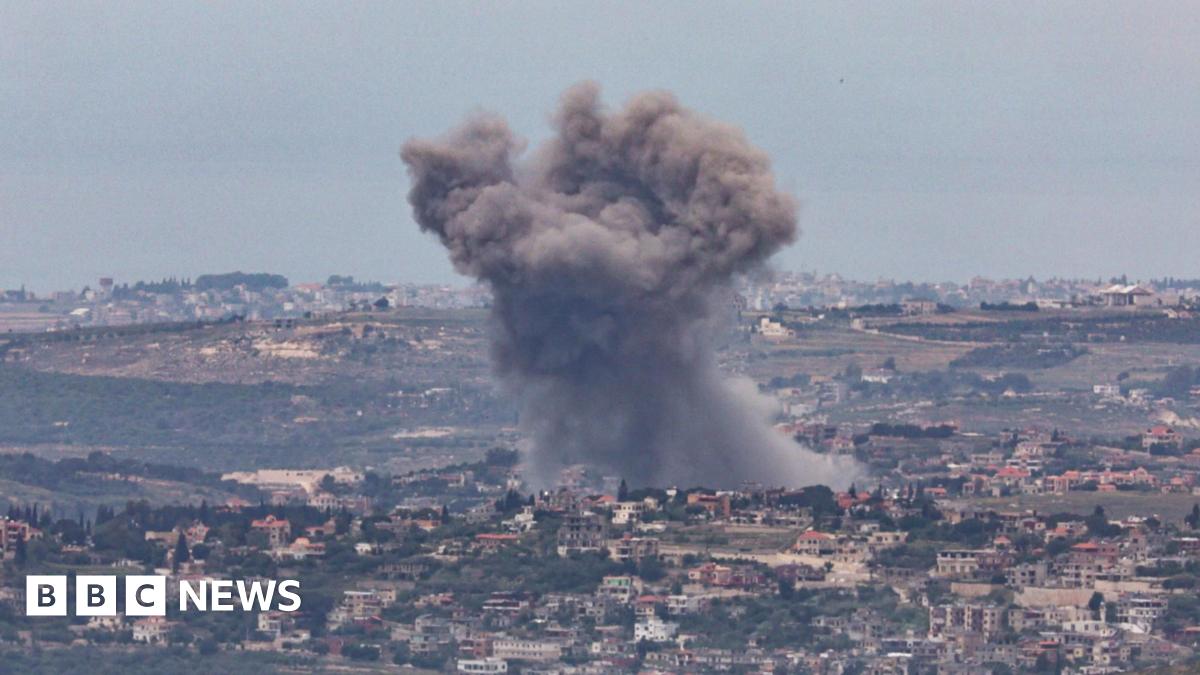
The fragile calm along the volatile Israel-Lebanon border has once again been shattered, plunging the region into a fresh wave of violence and despair. In a grim escalation that underscores the devastating human cost of this protracted conflict, recent Israeli airstrikes have claimed the lives of at least 10 individuals in southern Lebanon, according to Lebanese state media. Among the casualties are two paramedics, tragically killed while attempting to rescue victims of an earlier attack, highlighting the perilous environment faced by humanitarian workers.
This latest surge in hostilities comes amidst an already tense geopolitical landscape, where a nominal ceasefire has demonstrably failed to halt the relentless tit-for-tat exchanges between Israel and the Lebanese armed group Hezbollah. The incident in Nabatieh, where the paramedics were targeted, has sent shockwaves across Lebanon, drawing widespread condemnation and reigniting fears of a broader conflagration in a region already reeling from multiple crises. PulseWorld investigates the immediate aftermath, the historical context, and the far-reaching implications of this deadly escalation.
The Tragic Toll: Lives Lost in the Crossfire
The details emerging from southern Lebanon paint a harrowing picture of destruction and loss. Overnight, six people were killed and seven others injured in an Israeli strike, setting off a chain of events that led to further tragedy. It was in the wake of this initial assault that the two paramedics, identified as part of a rescue team, bravely responded to the call for help. Their mission, a testament to selfless service, ended in their own demise when a subsequent strike hit their location in Nabatieh, a city that has increasingly found itself on the front lines of this undeclared war. This brings the total confirmed fatalities from these recent strikes to at least 10, with local officials warning the count could rise as rescue efforts continue.
Lebanon's Health Ministry has vehemently condemned the targeting of medical personnel, emphasizing that such acts constitute a grave violation of international humanitarian law. Medical workers, under all circumstances, are considered protected persons in conflict zones, and attacks against them are war crimes. The incident has ignited a fresh wave of outrage within Lebanon, with many calling for international intervention to protect civilians and critical infrastructure. The strikes also reportedly caused significant damage to residential areas, exacerbating the humanitarian crisis in a country already struggling with economic collapse and political instability. Families have been displaced, homes destroyed, and the psychological toll on communities living under constant threat is immeasurable.
A Cycle of Retaliation: The Israel-Hezbollah Dynamic
The current escalation is not an isolated event but rather the latest chapter in a long-standing, deeply entrenched conflict between Israel and Hezbollah. Since the outbreak of the war in Gaza following the October 7th attacks by Hamas, the northern Israeli border and southern Lebanon have become a secondary, yet equally dangerous, front. Hezbollah, a powerful Shiite political party and militant group backed by Iran, has consistently stated its solidarity with Hamas and its commitment to resisting Israeli actions in Gaza. This has translated into daily rocket fire, drone attacks, and anti-tank missile launches from Lebanon into northern Israel, often targeting military positions but frequently impacting civilian areas.
Israel, in turn, has responded with robust airstrikes, artillery shelling, and targeted assassinations against Hezbollah operatives and infrastructure within Lebanon. Israeli officials maintain that these operations are defensive, aimed at degrading Hezbollah's capabilities and pushing its forces away from the border to ensure the safety of Israeli communities. However, the scale and frequency of these retaliatory strikes have steadily increased, leading to a significant death toll on both sides, predominantly in Lebanon. Over 200 people have been killed in Lebanon since October, the vast majority being Hezbollah fighters, but also including a growing number of civilians, journalists, and now, paramedics. In Israel, at least 10 soldiers and several civilians have been killed in Hezbollah attacks.
Regional Implications and International Response
The escalating violence in southern Lebanon carries grave implications for regional stability. The specter of a full-blown war between Israel and Hezbollah looms large, a conflict that would dwarf the current exchanges and potentially draw in other regional and international actors. Such a scenario would be catastrophic for Lebanon, a nation already on the brink, and would further destabilize the Middle East.
International efforts to de-escalate the situation have, thus far, yielded limited success. Calls for a comprehensive ceasefire in Gaza, which many believe is a prerequisite for calming the northern front, have gone largely unheeded. The United Nations Interim Force in Lebanon (UNIFIL) continues its monitoring mission, but its capacity to prevent direct engagement between the heavily armed parties is limited. Diplomats from the United States, France, and other nations have engaged in shuttle diplomacy, attempting to broker a lasting calm and a return to the parameters of UN Security Council Resolution 1701, which ended the 2006 Israel-Hezbollah war. However, trust between the parties is at an all-time low, and the political will for compromise appears elusive.
The targeting of paramedics has drawn sharp condemnation from humanitarian organizations globally, reinforcing the urgent need for adherence to international humanitarian law. The International Committee of the Red Cross (ICRC) and other aid groups have reiterated their calls for all parties to respect the neutrality of medical personnel and facilities, emphasizing that such attacks undermine the fundamental principles of humanity and impede life-saving work.
The Humanitarian Crisis Deepens: A Nation Under Siege
Beyond the immediate casualties, the ongoing conflict has exacerbated an already dire humanitarian situation in Lebanon. The repeated strikes have forced tens of thousands of residents to flee their homes in southern Lebanon, becoming internally displaced persons (IDPs) in other parts of the country. These communities, already grappling with a severe economic crisis, hyperinflation, and a collapsed public sector, are now facing the additional burden of displacement, loss of livelihoods, and psychological trauma.
Access to essential services, including healthcare, education, and clean water, has been severely disrupted in affected areas. The agricultural sector, a lifeline for many in southern Lebanon, has been devastated by shelling and fires, threatening food security. International aid organizations are struggling to meet the growing needs, with resources stretched thin and access often hampered by security concerns. The long-term consequences of this displacement and destruction will undoubtedly be profound, impacting Lebanon's recovery for years to come. The resilience of the Lebanese people is being tested to its limits, as they navigate a multifaceted crisis with no clear end in sight.
Looking Ahead: Pathways to De-escalation?
The path forward for southern Lebanon and the broader region remains fraught with peril. A sustainable de-escalation requires not only a cessation of hostilities but also a comprehensive political solution that addresses the root causes of the conflict. This includes implementing UN resolutions, ensuring border security, and fostering a climate of trust, however distant that may seem currently. The international community must redouble its efforts to facilitate dialogue and mediate a lasting peace, rather than merely managing the symptoms of an underlying, deeply corrosive conflict.
Without a concerted push for diplomatic solutions, the current cycle of violence risks spiraling out of control, with devastating consequences for millions. The tragic deaths of the paramedics in Nabatieh serve as a stark reminder of the human cost of political failure and the urgent imperative to protect civilian lives in all circumstances. The world watches with bated breath, hoping that reason and humanity will ultimately prevail over the destructive forces of war.
Stay Informed
Get the world's most important stories delivered to your inbox.
No spam, unsubscribe anytime.
Comments
No comments yet. Be the first to share your thoughts!