Escalation in Lebanon: Israeli Strikes Kill 14 Amid Fragile Ceasefire Extension
Despite a recently extended ceasefire, Israeli strikes have claimed 14 lives in Lebanon, including children and women, and injured dozens. This deadly escalation raises serious questions about the durability of regional peace efforts and the humanitarian cost of ongoing conflict. International calls for de-escalation intensify as tensions mount.
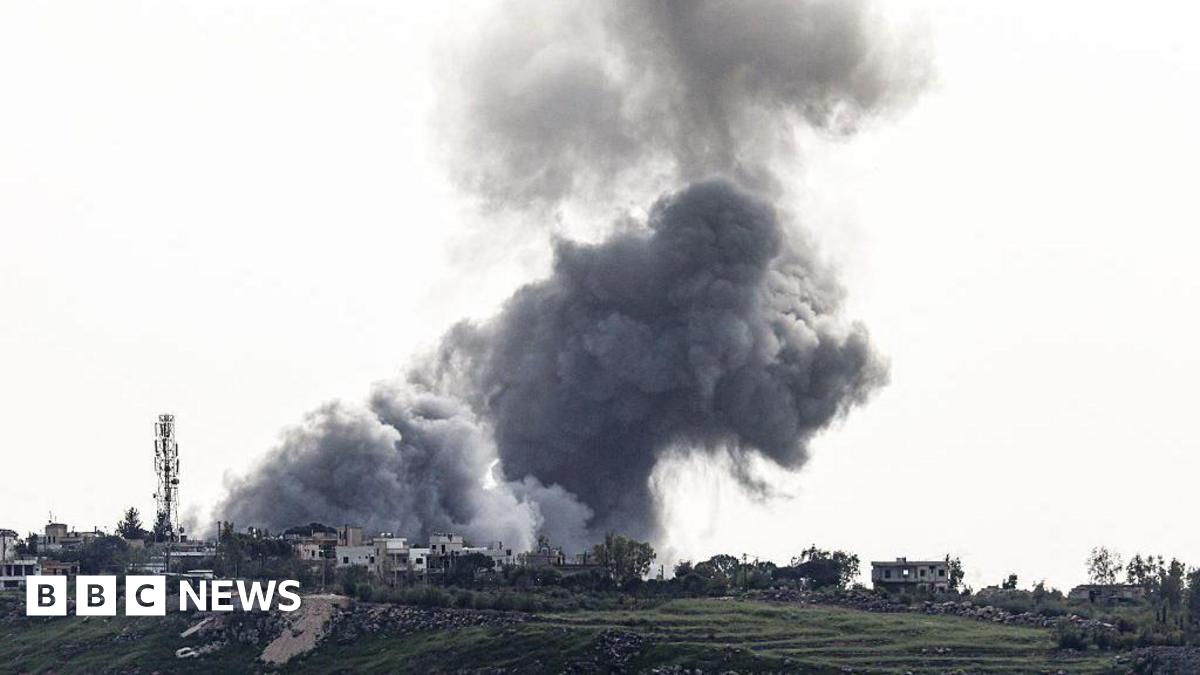
The fragile threads of a recently extended ceasefire in the Middle East have been brutally severed, as Israeli strikes on Lebanon on Sunday resulted in the deaths of 14 people, including two children and two women, and left 37 injured. This devastating toll, confirmed by Lebanon's Ministry of Health, casts a long, dark shadow over international efforts to de-escalate tensions and maintain a semblance of peace in an already volatile region. The incident occurred just three days after the United States announced a three-week extension to the existing ceasefire, a development that had initially offered a glimmer of hope for stability.
The strikes, which reportedly targeted several areas, have ignited fresh fears of a wider conflict and underscored the immense human cost of geopolitical strife. An Israel Defense Forces (IDF) spokesperson had reportedly issued evacuation warnings for several villages prior to the attacks, suggesting a premeditated operation that nonetheless resulted in significant civilian casualties. The international community now grapples with the immediate aftermath, facing renewed pressure to address the underlying causes of this persistent violence and protect vulnerable populations caught in the crossfire.
A Ceasefire Under Duress: The Illusion of Peace
The notion of a 'ceasefire' often implies a cessation of hostilities, a period of calm intended to facilitate dialogue and de-escalation. However, the tragic events in Lebanon reveal a stark reality: for many, peace remains an elusive concept, constantly threatened by military actions and retaliatory cycles. The US-brokered extension, hailed as a diplomatic achievement, appears to have done little to prevent the latest bloodshed. This raises critical questions about the effectiveness of such agreements when deep-seated grievances and strategic objectives continue to fuel conflict.
The ceasefire, initially established to allow for humanitarian aid and prisoner exchanges, has always been precarious. Its extension was a testament to ongoing diplomatic efforts, yet its fragility was evident. The strikes on Sunday demonstrate that even with formal agreements in place, the potential for rapid escalation remains high. Civilian protection and adherence to international humanitarian law are paramount, yet frequently become casualties themselves in such environments. The presence of children and women among the deceased highlights the indiscriminate nature of modern warfare and the devastating impact on non-combatants.
Historical Echoes: A Region Scarred by Conflict
Lebanon and Israel share a long and often violent history, marked by multiple wars, incursions, and periods of intense cross-border conflict. The 1982 Lebanon War, the 2006 Lebanon War, and countless smaller skirmishes have left deep scars on both societies. For Lebanon, a nation still grappling with profound economic crises and political instability, these latest strikes represent another layer of suffering. The country hosts a significant number of refugees and has been struggling to rebuild its infrastructure and economy for decades. Each new conflict pushes it further to the brink.
The geopolitical landscape is complex, involving various state and non-state actors, each with their own agendas. The presence of armed groups within Lebanon, often operating independently of the state, further complicates the security situation and provides pretexts for military action. Understanding this intricate web of historical grievances, strategic interests, and proxy conflicts is crucial to comprehending the cyclical nature of violence in the region. The current situation is not merely an isolated incident but a continuation of a protracted struggle for power and security.
Humanitarian Crisis and International Response
The immediate aftermath of such strikes invariably leads to a humanitarian crisis. The 14 fatalities and 37 injuries are not just statistics; they represent families shattered, lives irrevocably altered, and communities plunged into grief. Medical facilities, already strained in Lebanon, face additional pressure to cope with the influx of casualties. The psychological trauma inflicted on survivors, especially children who witness such horrors, can last a lifetime.
International bodies and humanitarian organizations are once again called upon to provide aid, condemn the violence, and push for de-escalation. The United Nations, alongside various NGOs, plays a critical role in documenting casualties, providing emergency relief, and advocating for the protection of civilians. However, their efforts are often hampered by political stalemates and the persistent disregard for international norms by warring parties. Calls for investigations into potential war crimes or violations of humanitarian law are likely to follow, though accountability often proves elusive.
The Path Forward: Diplomacy, De-escalation, and Durable Peace
Achieving a durable peace in the Middle East requires more than just temporary ceasefires; it demands a fundamental shift in approach. This includes:
* Robust Diplomatic Engagement: Continuous, high-level negotiations involving all relevant parties, including regional powers, are essential to address core grievances and build trust. * Adherence to International Law: Strict adherence to international humanitarian law and the protection of civilians must be non-negotiable. Independent investigations into violations are crucial for accountability. * Addressing Root Causes: Long-term stability depends on resolving underlying political, economic, and social issues that fuel conflict, such as poverty, inequality, and political disenfranchisement. * Strengthening State Institutions: Supporting the development of strong, legitimate state institutions capable of maintaining security and providing for their citizens is vital for preventing the proliferation of non-state armed actors. * Humanitarian Aid and Reconstruction: Sustained international support for humanitarian aid, reconstruction efforts, and economic development is necessary to help communities recover and build resilience.
The latest Israeli strikes in Lebanon serve as a grim reminder that peace in the Middle East remains a distant aspiration rather than a present reality. The tragic loss of life underscores the urgent need for a renewed and intensified commitment from all stakeholders to pursue genuine de-escalation and work towards a comprehensive, just, and lasting resolution. Without such a commitment, the cycle of violence will continue to claim innocent lives, perpetuate suffering, and destabilize an already fractured region, leaving future generations to inherit the same unresolved conflicts.
Stay Informed
Get the world's most important stories delivered to your inbox.
No spam, unsubscribe anytime.
Comments
No comments yet. Be the first to share your thoughts!