Ethiopia's Green Revolution: Climate Action Yields Tangible Results Amidst Global Scrutiny
Ethiopia is emerging as a beacon of climate resilience, with its deliberate and concrete efforts to combat climate change beginning to show visible results. Major investments in renewable energy, environmental protection, and nationwide conservation initiatives are strengthening the nation's capacity to withstand climate impacts. This progress was highlighted at a recent meteorological conference in Addis Ababa, underscoring the country's commitment to a sustainable future despite significant environmental challenges.
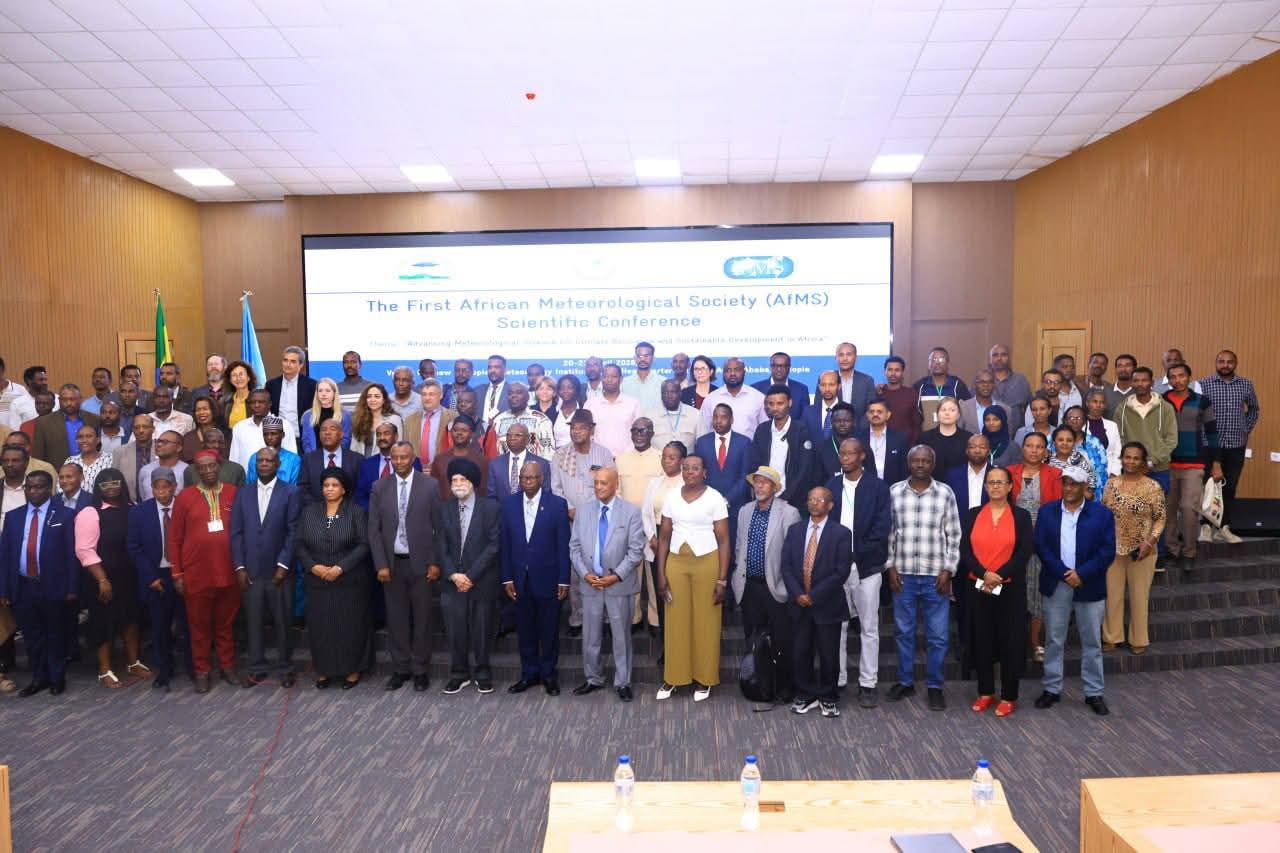
In a world grappling with escalating climate crises, Ethiopia, a nation often associated with environmental vulnerability, is quietly forging a path toward climate resilience that is beginning to yield tangible results. This significant development was brought to the forefront during the Ethiopian Meteorological Institute's (EMI) inaugural scientific conference in Addis Ababa, where experts convened to discuss the nation's progress and future strategies.
For decades, Ethiopia has faced the harsh realities of climate change, from recurrent droughts and floods to widespread deforestation. Yet, in recent years, a concerted national effort, backed by substantial investments and policy shifts, has positioned the country as a promising case study in proactive climate action. The EMI's pronouncement that these efforts are ‘beginning to produce visible results’ offers a rare glimmer of hope in the global climate narrative.
A Bold Vision for a Greener Future
Ethiopia's journey towards climate resilience is not a recent phenomenon but rather the culmination of a long-term strategic vision. The country launched its ambitious Climate-Resilient Green Economy (CRGE) strategy in 2011, aiming to achieve middle-income status by 2025 while simultaneously developing a green economy. This strategy integrates climate change considerations into all aspects of national development planning, from agriculture and forestry to energy and industry.
Central to this vision has been an aggressive push for renewable energy. Ethiopia boasts immense hydroelectric potential, and projects like the Grand Ethiopian Renaissance Dam (GERD), despite regional controversies, are intended to significantly boost the country's clean energy supply. Beyond hydropower, there's a growing focus on geothermal, wind, and solar power, diversifying the energy mix and reducing reliance on fossil fuels. For instance, the country is home to the Ashegoda Wind Farm, one of Africa's largest, and has significant geothermal potential in the Rift Valley.
Environmental protection and conservation initiatives have also been paramount. The 'Green Legacy' initiative, launched by Prime Minister Abiy Ahmed, stands out as a monumental undertaking. This campaign has seen millions of Ethiopians participate in planting billions of trees annually, with the goal of restoring degraded landscapes, combating desertification, and enhancing carbon sequestration. In 2019 alone, the initiative claimed to have planted over 350 million trees in a single day, a feat that garnered international attention and demonstrated the power of collective action.
Measuring Progress: The Role of Meteorological Science
The EMI's conference served as a crucial platform for assessing the efficacy of these initiatives. Meteorological data and scientific analysis are indispensable for understanding climate patterns, predicting extreme weather events, and evaluating the impact of climate interventions. The institute's findings, presented at the conference, underscore the importance of robust scientific monitoring in validating policy outcomes.
“Our data indicates a measurable improvement in certain environmental indicators, alongside a strengthened national capacity to respond to climatic shocks,” stated Dr. Alemayehu Getachew, a senior climatologist at the EMI, during a panel discussion. “While challenges remain, particularly concerning localized vulnerabilities and the need for sustained funding, the overarching trend is positive. The investments in early warning systems, for example, have significantly reduced casualties from flash floods in recent years.”
Key areas where results are becoming visible include: * Improved forest cover: Satellite imagery and ground surveys are beginning to show increased vegetation density in targeted reforestation areas. * Enhanced water management: Better forecasting and infrastructure development are leading to more efficient water resource utilization, crucial for agriculture. * Reduced reliance on traditional biomass: The expansion of clean energy access is slowly decreasing the pressure on forests for fuel wood. * Strengthened disaster preparedness: Early warning systems and community-level training have improved response times to climate-induced disasters.
Challenges and the Path Forward
Despite these encouraging signs, Ethiopia's climate journey is far from over. The country still faces formidable challenges, including rapid population growth, persistent poverty, and ongoing regional conflicts that can divert resources and attention from environmental efforts. The sheer scale of land degradation and the vulnerability of its agrarian economy to climate variability mean that sustained and even accelerated action is required.
Funding remains a critical bottleneck. While Ethiopia has demonstrated strong national commitment, external financial support, particularly from developed nations, is vital for scaling up initiatives and adopting advanced climate technologies. International partnerships, such as those with the Green Climate Fund and various bilateral donors, play a crucial role in bridging this financial gap.
Furthermore, ensuring the long-term sustainability of tree-planting campaigns and other conservation efforts requires robust community engagement and the provision of alternative livelihoods for populations dependent on natural resources. Education and awareness campaigns are also essential to foster a deeper understanding of climate change and promote sustainable practices at the grassroots level.
Implications for Global Climate Action
Ethiopia's experience offers valuable lessons for other developing nations grappling with climate change. It demonstrates that with strong political will, comprehensive national strategies, and a commitment to scientific monitoring, even highly vulnerable countries can make significant strides in building climate resilience. The emphasis on integrating climate action into broader development goals, rather than treating it as a standalone issue, is particularly noteworthy.
As the world looks towards the next generation of climate commitments, Ethiopia’s story serves as a powerful reminder that proactive investment in environmental stewardship and renewable energy can yield tangible benefits, not just for the environment but also for national development and stability. The ongoing scientific conference in Addis Ababa is not just a review of past achievements but a crucial step in charting a more resilient and sustainable future for Ethiopia and, by extension, offering a blueprint for global climate action.
The journey is arduous, but Ethiopia’s visible progress underscores a fundamental truth: climate action, when pursued with conviction and scientific rigor, can indeed begin to turn the tide against environmental degradation and foster a more sustainable world.
Stay Informed
Get the world's most important stories delivered to your inbox.
No spam, unsubscribe anytime.
Comments
No comments yet. Be the first to share your thoughts!