Foiled Assassination: The Unsettling Plot Against Trump and Top Officials
A chilling plot to assassinate then-President Donald Trump and other high-ranking officials at a Washington D.C. gala dinner has been uncovered by investigators. The incident, initially reported as an attempted breach, escalated into a full-blown assassination investigation, raising serious questions about executive protection and national security. This detailed account delves into the specifics of the foiled attack, its implications, and the broader context of political violence in the United States.
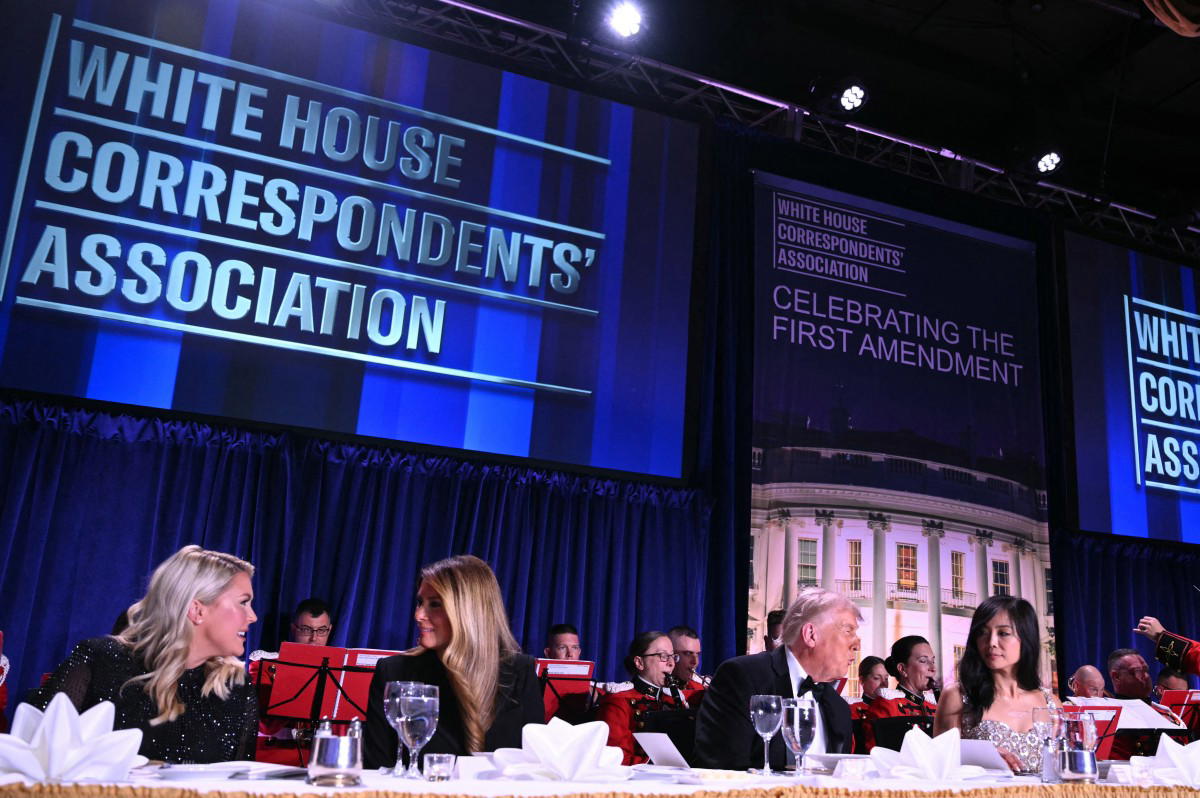
The opulent ballroom of a high-profile Washington D.C. hotel, usually a stage for political camaraderie and power brokering, nearly became the scene of an unprecedented tragedy. On a tense Sunday, investigators confirmed what had been whispered in hushed tones across the capital: a gunman, now identified as a radicalized individual with a clear intent, attempted to storm a gala dinner attended by then-President Donald Trump, planning to assassinate not only the commander-in-chief but also a coterie of other top government officials. The revelation sent shockwaves through the nation, forcing a stark re-evaluation of security protocols and the escalating threat of political violence.
Initially dismissed by some as a mere security breach, the incident quickly transformed into a full-scale assassination investigation. Trump, along with Vice President Mike Pence, Secretary of State Mike Pompeo, and other cabinet members, were swiftly and discreetly evacuated from the premises as security forces neutralized the threat. The swift action prevented what could have been a catastrophic event, but the sheer audacity and calculated nature of the plot have left an indelible mark on the political landscape.
The Anatomy of a Foiled Plot
According to detailed reports from federal investigators, the assailant, whose identity has been withheld pending further investigation, had meticulously planned the attack for several months. Evidence recovered from the suspect's residence and digital devices revealed a disturbing blueprint: a detailed list of targets, including specific seating arrangements at the gala, escape routes, and a cache of weapons. The individual reportedly harbored deep-seated grievances against the government and expressed extremist ideologies online, indicating a blend of political radicalization and personal vendetta.
Security footage and witness testimonies paint a vivid picture of the chaotic moments leading up to the breach. The gunman, disguised as hotel staff, attempted to bypass multiple layers of security, brandishing a modified firearm. His advance was ultimately halted by a quick-thinking Secret Service agent and hotel security personnel, who engaged him in a brief but intense confrontation. The suspect was apprehended, though not without resistance, and is currently undergoing extensive interrogation. The incident underscored the constant vigilance required by protective services and the unpredictable nature of threats against high-value targets.
Unpacking the Security Lapses and Lessons Learned
The immediate aftermath of the foiled plot saw intense scrutiny directed at the security arrangements for the event. While the Secret Service and local law enforcement were praised for their rapid response, questions arose regarding the initial vetting processes for hotel staff, access control points, and intelligence sharing. Critics pointed to potential vulnerabilities that allowed the assailant to get as close as he did, prompting a comprehensive review of executive protection protocols nationwide.
* Insider Threat Mitigation: The fact that the assailant attempted to blend in with hotel staff highlighted the critical need for enhanced background checks and continuous monitoring of personnel with access to secure events. * Intelligence Gathering and Analysis: The investigation is examining whether intelligence agencies adequately assessed the online rhetoric and potential threats posed by the individual prior to the incident. * Layered Security Effectiveness: While the final layer of security held, the breach of earlier perimeters raised concerns about the overall efficacy of the multi-layered security approach.
This incident serves as a stark reminder that even with the most sophisticated security apparatus, no system is entirely impervious. It necessitates continuous adaptation and improvement in the face of evolving threats.
A History of Political Violence and its Modern Manifestations
The United States has a long and often tragic history of political violence, from the assassinations of presidents like Abraham Lincoln and John F. Kennedy to numerous attempts on the lives of public figures. The late 20th and early 21st centuries have seen a shift in the nature of these threats, with a rise in lone wolf attackers and individuals motivated by extremist ideologies disseminated through digital platforms. The internet has become a breeding ground for radicalization, allowing individuals to consume and contribute to narratives that justify violence against perceived enemies of the state or society.
This particular plot echoes the unsettling trend of domestic extremism becoming a primary concern for national security agencies. The polarization of political discourse, amplified by social media and partisan news outlets, has, according to many experts, contributed to an environment where radical ideas can fester and translate into violent action. The attempted assassination of President Trump is not an isolated event but rather a symptom of a deeper societal malaise, where political disagreements can morph into existential battles.
Implications for Democracy and Public Trust
The ramifications of such an event extend far beyond the immediate security concerns. An assassination attempt on a sitting president, regardless of political affiliation, strikes at the very heart of democratic governance. It undermines public trust in the ability of the state to protect its leaders and maintain order. For a nation already grappling with deep divisions, such an incident can further erode social cohesion and exacerbate political tensions.
Moreover, the targeting of multiple officials signals a broader attack on the institutions of government. It's a direct challenge to the peaceful transfer of power and the rule of law. The investigation will undoubtedly explore the networks, if any, that supported or inspired the assailant, aiming to dismantle any organized efforts to destabilize the government through violence. The incident also forces a national conversation about the rhetoric employed by political leaders and media, and its potential to incite extremist behavior.
Looking Ahead: Fortifying Defenses in a Volatile Era
The foiled assassination plot against President Trump and other officials marks a somber moment in American history. It underscores the persistent and evolving nature of threats against democratic institutions and their leaders. In the wake of this incident, there will undoubtedly be calls for enhanced security measures, more robust intelligence gathering, and a renewed focus on combating domestic extremism.
However, the challenge extends beyond physical security. It requires a societal effort to address the root causes of radicalization, foster civil discourse, and reinforce the democratic values that underpin the nation. The incident serves as a potent reminder that the defense of democracy is not solely the responsibility of security agencies but a collective endeavor requiring vigilance, understanding, and a commitment to peace. As the investigation continues, the nation watches, hoping that the lessons learned from this near-tragedy will help fortify its defenses against future threats, ensuring the safety of its leaders and the stability of its democratic process.
Stay Informed
Get the world's most important stories delivered to your inbox.
No spam, unsubscribe anytime.
Comments
No comments yet. Be the first to share your thoughts!