French Museums Under Siege: Parliamentary Report Demands Radical Overhaul After Louvre Heist
A scathing French parliamentary report has exposed the 'worrying condition' of national museum collections, citing a perfect storm of underfunding, staffing shortages, and escalating threats. Sparked by the audacious 2022 Louvre crown jewel heist, the commission's 40 recommendations call for a radical overhaul of security, governance, and digital infrastructure. This crisis underscores a broader European challenge in protecting invaluable cultural heritage amidst evolving risks.
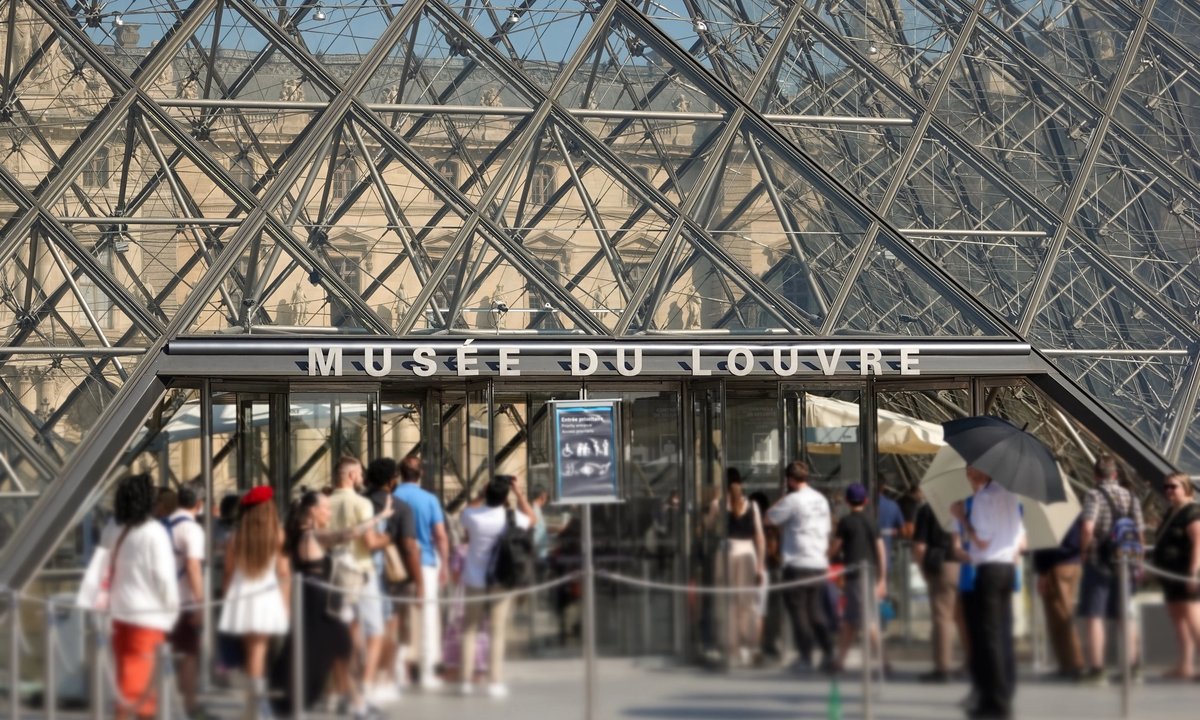
The hallowed halls of France's national museums, repositories of millennia of human creativity and history, are facing an unprecedented crisis. A recent parliamentary report, triggered by the audacious 2022 theft of crown jewels from the Louvre, has unveiled a deeply troubling reality: these institutions, far from being impregnable fortresses, are alarmingly vulnerable. The report, published on May 13th, paints a stark picture of 'worrying condition' across collections and infrastructure, demanding a radical overhaul to safeguard France's invaluable cultural heritage.
The Alarming State of Affairs: A Perfect Storm of Vulnerabilities
The parliamentary commission, formed in the wake of the Louvre incident, conducted an exhaustive investigation, interviewing museum directors, security experts, and cultural officials. Their findings are a sobering read. The report highlights a confluence of critical issues: chronic underfunding, leading to dilapidated facilities and outdated security systems; severe staffing shortages, particularly among specialized security personnel and conservators; and a lack of cohesive national strategy for risk management and digital preservation. These systemic weaknesses have created an environment ripe for exploitation by increasingly sophisticated threats, ranging from organized crime to climate change and cyberattacks.
One of the most immediate concerns is the physical security of artifacts. The Louvre heist, while shocking, was not an isolated incident but rather a symptom of deeper problems. Many museums, especially those outside Paris, operate with budgets that haven't kept pace with inflation or the rising value of their collections. This often translates to insufficient surveillance, poorly maintained alarm systems, and an over-reliance on aging security guards. The report explicitly states that some storage facilities are 'unfit for purpose,' exposing priceless objects to environmental damage, pests, and theft.
Beyond Theft: The Multifaceted Threats to Cultural Heritage
While the headline-grabbing thefts dominate public discourse, the report emphasizes that the threats extend far beyond criminal enterprises. Climate change poses an existential risk, with rising temperatures, humidity fluctuations, and extreme weather events threatening the delicate materials of artworks and historical documents. The recent floods in Europe and the devastating fires at Notre Dame Cathedral serve as stark reminders of nature's destructive power.
Furthermore, the digital age has introduced new vulnerabilities. Cyberattacks targeting museum databases, ticketing systems, and digital archives are becoming more frequent. These attacks can compromise sensitive information, disrupt operations, and even hold institutions hostage. The report stresses the urgent need for robust cybersecurity measures and comprehensive digital preservation strategies, acknowledging that a significant portion of modern cultural heritage exists solely in digital form.
Another insidious threat is the illicit trafficking of cultural property, often linked to organized crime and terrorist financing. While France has strong laws against this, the porous nature of international borders and the anonymity offered by online markets make enforcement challenging. Museums, therefore, must not only protect their existing collections but also ensure they are not inadvertently acquiring stolen or illegally excavated items.
Forty Recommendations for a Cultural Renaissance
To address these profound challenges, the parliamentary commission has put forth 40 concrete recommendations, urging immediate and decisive action from the French government. These recommendations span several key areas:
* Enhanced Security Protocols: A complete audit of all museum security systems, investment in cutting-edge surveillance technology, and increased training for security personnel. This includes a call for a dedicated national unit focused on cultural heritage protection. * Increased Funding and Staffing: A significant boost in the cultural budget, specifically earmarked for museum infrastructure, conservation, and the recruitment of specialized staff, including conservators, security experts, and digital archivists. * Improved Governance and Oversight: Greater accountability for museum directors, clearer lines of responsibility for collection management, and the establishment of a national coordinating body to share best practices and intelligence. * Digital Transformation: Development of a national digital strategy for cultural heritage, including comprehensive digitization programs, secure digital archiving, and public access initiatives. * Climate Resilience: Integration of climate change adaptation strategies into museum planning, including improved environmental controls, disaster preparedness plans, and sustainable building practices.
Historical Context and International Implications
France's cultural institutions have long been symbols of national pride and global cultural leadership. From the Sun King's patronage of the arts to Napoleon's ambitious acquisitions, the nation has amassed an unparalleled collection. However, this rich history also comes with the burden of immense responsibility. The current crisis is not entirely new; museums worldwide have grappled with security challenges for centuries. The 1911 theft of the Mona Lisa from the Louvre, for instance, led to significant reforms in museum security of its time. What is different now is the scale and complexity of the threats.
The French situation also holds significant implications for the international museum community. As a leading cultural power, France's response will undoubtedly set precedents and influence policies across Europe and beyond. Many European museums face similar issues of aging infrastructure, budget constraints, and evolving threats. The report serves as a wake-up call, highlighting the need for greater international cooperation in areas such as intelligence sharing on illicit trafficking, joint research into conservation techniques, and coordinated efforts against cyber threats.
The Path Forward: A Call to Action
Responding to the report, the French Ministry of Culture has acknowledged the urgency of the situation, promising a swift and comprehensive action plan. However, the implementation of these 40 recommendations will require not only significant financial investment but also a sustained political will and a fundamental shift in institutional culture. It demands a recognition that cultural heritage is not merely an aesthetic luxury but a vital component of national identity, economic prosperity, and global understanding.
For the public, the stakes are high. These museums are not just tourist attractions; they are educational institutions, research centers, and communal spaces that connect us to our past and inspire our future. Their protection is a collective responsibility. The parliamentary report serves as a crucial inflection point, offering a roadmap for France to not only rectify past failings but also to emerge as a global leader in cultural heritage protection in the 21st century. The world watches, hoping that these recommendations will indeed usher in a new era of security and sustainability for France's irreplaceable treasures.
Stay Informed
Get the world's most important stories delivered to your inbox.
No spam, unsubscribe anytime.
Comments
No comments yet. Be the first to share your thoughts!