From the Lands Between to Your Pocket: Elden Ring's Game & Watch Reimagining Captivates Gamers
A dedicated fan has brought the epic world of Elden Ring to life in an unexpected format: a retro-inspired Game & Watch-style portable game. This impressive demake, dubbed 'Tarnished,' offers a unique blend of modern RPG mechanics and nostalgic 8-bit aesthetics, sparking widespread discussion about game design, intellectual property, and the power of fan creativity. Available for free, it's a testament to the enduring appeal of both Elden Ring and classic gaming.
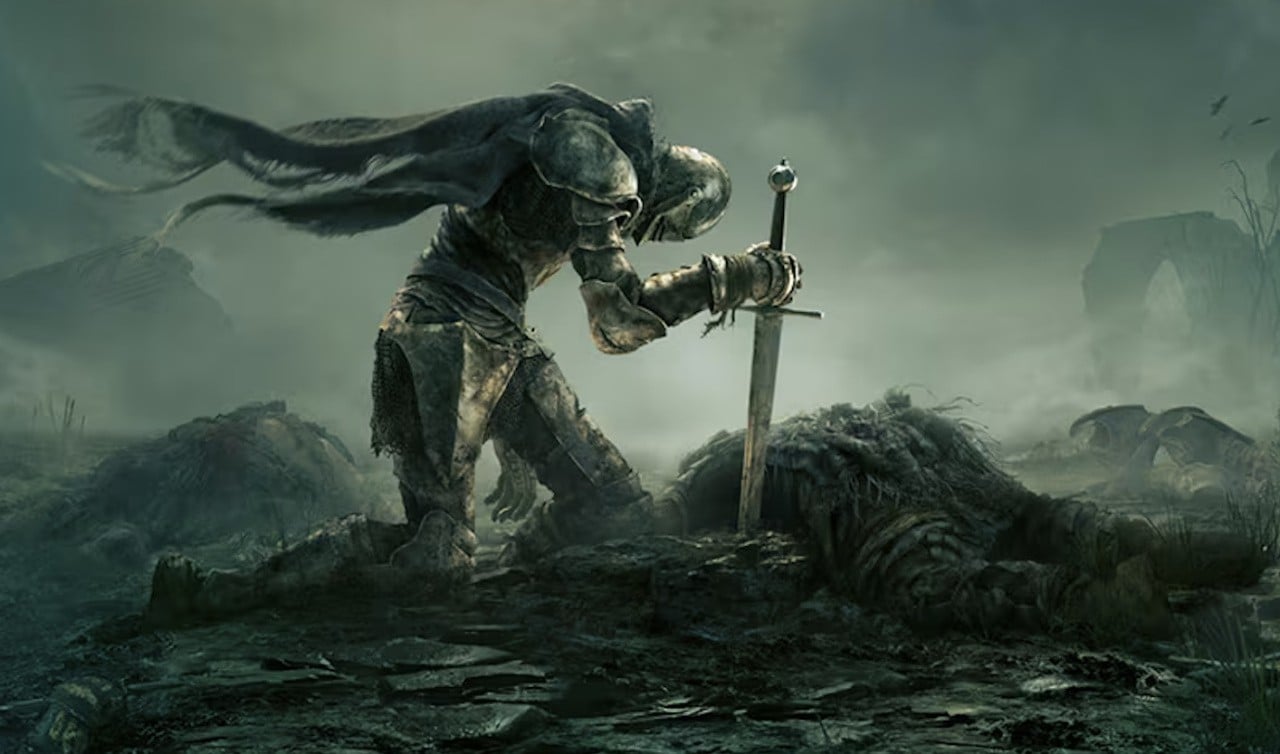
In an era dominated by hyper-realistic graphics and sprawling open worlds, a recent phenomenon has emerged from the digital ether, pulling the gaming community into a delightful paradox. Imagine the critically acclaimed, notoriously challenging action RPG, Elden Ring, stripped down to its bare essentials, reimagined not for a next-gen console, but for a device reminiscent of Nintendo’s iconic 1980s Game & Watch. This isn't a hypothetical thought experiment; it's a playable reality, a fan-made demake titled 'Tarnished,' which has taken the internet by storm, offering a glimpse into what FromSoftware's magnum opus might have looked like had it been conceived in the era of 8-bit sprites and monochrome LCDs. This remarkable project not only celebrates the ingenuity of its creator but also ignites a broader conversation about game preservation, intellectual property, and the boundless creativity of the gaming community.
The Genesis of 'Tarnished': A Fan's Vision
The story of 'Tarnished' begins, as many great fan projects do, with a passionate individual's desire to see their favorite game in a new light. The unnamed developer behind this demake undertook the monumental task of distilling the vastness of the Lands Between – its intricate lore, formidable bosses, and challenging combat – into a format that evokes the simplicity and charm of vintage handhelds. The inspiration is clear: Nintendo's Game & Watch series, which debuted in 1980, offered simple, addictive gameplay loops on portable devices, often featuring a single LCD screen with pre-rendered sprites. The genius of 'Tarnished' lies in its ability to capture the essence of Elden Ring within these severe limitations. Players navigate a pixelated protagonist, engage in simplified combat, and even face demade versions of iconic bosses, all while managing a rudimentary health bar and inventory. The project is a masterclass in creative constraint, proving that compelling gameplay isn't solely dependent on graphical fidelity but on well-executed mechanics and an engaging core loop.
The project's free availability has undoubtedly contributed to its viral success. By making 'Tarnished' accessible to anyone with a PC, the creator has fostered a sense of community and shared nostalgia. This act of generosity underscores a fundamental aspect of fan-made content: it's often a labor of love, driven by passion rather than profit, bridging the gap between developers and their dedicated player base.
Bridging Eras: Nostalgia Meets Modernity
'Tarnished' serves as a fascinating cultural artifact, a bridge between disparate gaming eras. For older gamers, it triggers a powerful wave of nostalgia, recalling simpler times when gaming experiences were defined by limited palettes and imaginative interpretation. The familiar bleeps and bloops of 8-bit sound design, coupled with the stark visual style, transport players back to a period before the internet, before high-definition, when imagination filled in the graphical gaps. For younger players, it offers a unique historical perspective, a tangible demonstration of gaming's evolutionary journey. It's a playful 'what if' scenario that highlights how fundamental game design principles – challenge, progression, exploration – transcend technological advancements.
This demake also subtly critiques the modern gaming landscape. In an industry often criticized for its pursuit of ever-more realistic graphics at the expense of innovative gameplay or performance, 'Tarnished' reminds us that artistic expression and engaging mechanics can thrive even within severe technological limitations. It's a testament to the idea that a game's soul isn't found in its polygon count but in its ability to captivate and challenge the player, regardless of the visual wrapper.
The Legal and Ethical Landscape of Fan Creations
The existence and popularity of 'Tarnished' inevitably raise questions about intellectual property (IP) and the rights of creators versus the enthusiasm of fans. FromSoftware and its publisher, Bandai Namco, own the Elden Ring IP. While 'Tarnished' is a clear homage and not a commercial product, its use of copyrighted characters, settings, and gameplay elements exists in a legal gray area. Historically, many game companies have taken a lenient stance on non-commercial fan projects, often viewing them as free marketing and a testament to their game's cultural impact. However, this leniency is not guaranteed, and companies retain the right to issue cease-and-desist orders if they perceive a project as infringing on their rights or potentially harming their brand.
This delicate balance highlights the need for clear guidelines and open communication between IP holders and fan communities. Projects like 'Tarnished' demonstrate the immense creative potential within a game's fanbase, a resource that, if managed constructively, can enrich the overall ecosystem. Some companies have even embraced fan creations, offering tools and platforms for modding and user-generated content, recognizing its value in extending a game's lifespan and fostering community engagement.
The Enduring Legacy of Elden Ring and Fan Ingenuity
'Tarnished' is more than just a quirky demake; it's a cultural phenomenon that underscores the profound impact of Elden Ring on the gaming world. Since its release, Elden Ring has garnered numerous Game of the Year awards and captivated millions with its intricate world-building, challenging combat, and unparalleled sense of discovery. Its influence extends beyond sales figures, permeating popular culture and inspiring a new generation of content creators.
The success of 'Tarnished' also reaffirms the power of fan ingenuity. The gaming community has a long history of creating incredible mods, fan games, and artistic interpretations that push the boundaries of what's possible. These projects often serve as incubators for new talent, with many fan developers eventually making their way into the professional industry. The 'Tarnished' demake stands as a shining example of this vibrant subculture, celebrating both the original work and the boundless creativity of its admirers.
Looking ahead, the 'Tarnished' project may inspire other developers to explore similar demakes, perhaps even prompting official releases of retro-styled versions of modern blockbusters. It certainly encourages a re-evaluation of what constitutes a 'good' game experience, proving that sometimes, less is indeed more. As technology continues to advance, the allure of simpler, more focused gaming experiences, perhaps even those that fit in the palm of your hand, seems destined to endure, perpetually reminding us of gaming's rich past while simultaneously shaping its future.
Stay Informed
Get the world's most important stories delivered to your inbox.
No spam, unsubscribe anytime.
Comments
No comments yet. Be the first to share your thoughts!