Galaxy Watch Unlocks Fainting Prediction: A New Era for Wearable Health Tech
Samsung, in collaboration with Chung-Ang University Gwangmyeong Hospital, has announced a groundbreaking clinical study validating the Galaxy Watch's ability to predict vasovagal syncope (VVS) with high accuracy. This world-first breakthrough utilizes biosignals to offer early warnings, potentially transforming patient care and personal safety. The development marks a significant leap in wearable technology's role in proactive health management, moving beyond mere monitoring to predictive diagnostics.
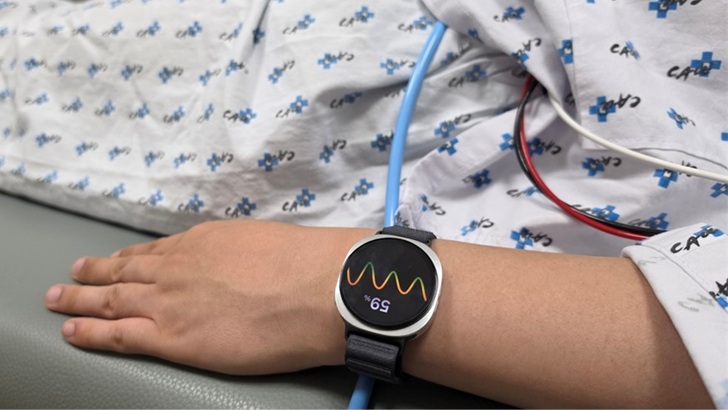
In a world increasingly reliant on technology for everyday convenience, a new frontier in personal health has been unveiled, promising to redefine how we understand and manage our well-being. Samsung, a global leader in consumer electronics, has announced a groundbreaking clinical study conducted in partnership with Chung-Ang University Gwangmyeong Hospital in Korea. This pioneering research has successfully validated the ability to predict vasovagal syncope (VVS), commonly known as fainting, with remarkable accuracy by utilizing biosignals obtained directly from the Galaxy Watch.
This isn't just another incremental update; it's a world-first breakthrough that signals a profound shift in the utility of wearable technology. For millions worldwide who experience VVS, often without warning, this development offers a beacon of hope – a potential real-time warning system that could prevent injuries, reduce anxiety, and significantly improve quality of life. The implications extend far beyond individual users, pointing towards a future where our devices are not just passive trackers but active guardians of our health.
Understanding Vasovagal Syncope: More Than Just Fainting
Vasovagal syncope is the most common cause of fainting, affecting a significant portion of the population at some point in their lives. It occurs when the body overreacts to certain triggers, such as intense emotional stress, pain, or prolonged standing. This overreaction leads to a sudden drop in heart rate and blood pressure, reducing blood flow to the brain and causing a temporary loss of consciousness. While often benign, VVS can be frightening and lead to serious injuries from falls, making early detection and prevention crucial.
Historically, managing VVS has been reactive. Patients are advised to recognize their own prodromal symptoms – dizziness, nausea, sweating, blurred vision – and take immediate action, such as lying down. However, these symptoms can be subtle, rapid, or even absent, leaving individuals vulnerable. The medical community has long sought a more objective and proactive method for predicting these episodes. This is where Samsung's research steps in, leveraging the sophisticated sensor array within the Galaxy Watch to detect physiological changes that precede a fainting spell.
The Science Behind the Breakthrough: Biosignals and AI
The core of this innovation lies in the analysis of biosignals. The Galaxy Watch, equipped with advanced sensors, continuously collects a wealth of data, including heart rate variability (HRV), skin temperature, and potentially other physiological markers. The joint study, involving a rigorous clinical trial, focused on identifying specific patterns within these biosignals that reliably indicate the onset of VVS.
While the full technical details are still emerging, it's highly probable that machine learning and artificial intelligence (AI) play a pivotal role. AI algorithms can sift through vast amounts of continuous data, identifying subtle correlations and predictive patterns that would be imperceptible to the human eye. By training these algorithms on data collected from individuals experiencing VVS, researchers can develop models capable of issuing warnings before a full syncope event occurs. This represents a significant advancement over traditional diagnostic methods, which often rely on retrospective analysis or invasive tests.
The accuracy claims are particularly compelling. While specific percentages have not been fully disclosed in the initial announcement, the phrase "high accuracy" suggests a robust predictive model. This level of precision is paramount for a medical application, as false positives could lead to unnecessary anxiety, and false negatives could undermine trust and safety. The collaboration with a respected medical institution like Chung-Ang University Gwangmyeong Hospital lends significant credibility to the scientific rigor of the study.
Implications for Healthcare and Personal Safety
The potential impact of this technology is vast and multifaceted. For individuals prone to VVS, a real-time warning from their smartwatch could be life-changing. Imagine receiving an alert that advises you to sit or lie down, preventing a fall and the associated injuries, which can range from minor bruises to severe head trauma. This proactive intervention empowers users to take control of their health in unprecedented ways.
Beyond personal safety, this technology could have broader implications for preventative healthcare. Doctors could gain access to more objective data, helping them better understand a patient's VVS triggers and patterns. This could lead to more personalized management strategies and potentially reduce emergency room visits. Furthermore, the continuous, non-invasive monitoring offered by smartwatches could democratize access to sophisticated health insights, particularly in regions with limited medical infrastructure.
Consider the elderly, who are more susceptible to falls and whose injuries can have more severe consequences. A device that can predict fainting could be a crucial tool in maintaining their independence and reducing the burden on caregivers. Similarly, for individuals in professions where a sudden loss of consciousness could be catastrophic – such as pilots, drivers, or those operating heavy machinery – this technology, once fully validated and approved, could offer an additional layer of safety, though its application in such critical scenarios would require extensive regulatory oversight.
The Road Ahead: From Breakthrough to Widespread Adoption
While the announcement is undoubtedly exciting, it's important to acknowledge that this is an initial breakthrough. The path from clinical validation to widespread consumer availability as a medical device is often long and complex. It involves rigorous regulatory approvals from bodies like the FDA (in the US) or similar agencies globally, ensuring the device's safety, efficacy, and reliability in real-world conditions.
Key considerations for future development include: * Further Clinical Trials: Expanding the study to larger, more diverse populations to confirm accuracy across different demographics and health profiles. * Regulatory Approval: Navigating the stringent processes required for medical device certification. * User Experience: Ensuring the warning system is intuitive, non-alarming, and provides actionable advice. * Data Privacy and Security: Implementing robust measures to protect sensitive health data collected by the device. * Integration with Healthcare Systems: Exploring how this data can be securely and effectively shared with medical professionals, with user consent.
Samsung's commitment to advancing health technology is evident. This VVS prediction capability builds upon their existing health features, such as ECG, blood pressure monitoring, and fall detection, solidifying the Galaxy Watch's position as a comprehensive health companion. The company's strategy seems to be one of continuous innovation, transforming smartwatches from mere gadgets into essential tools for personal health management.
A Glimpse into the Future of Proactive Health
This breakthrough in fainting prediction is more than just a scientific achievement; it's a testament to the transformative power of integrating advanced technology with medical science. It opens the door to a future where our personal devices are not just recording our past health data but actively predicting potential health crises, allowing for timely intervention and improved outcomes. The era of proactive, personalized health management, driven by sophisticated wearables, is no longer a distant dream but a rapidly unfolding reality.
As Samsung continues its research and development, we can anticipate a future where smartwatches become indispensable tools in preventative medicine, offering insights and warnings that empower individuals to live healthier, safer, and more confident lives. This latest innovation from Samsung and Chung-Ang University Gwangmyeong Hospital is a significant step towards that future, promising a healthier tomorrow for millions.
Stay Informed
Get the world's most important stories delivered to your inbox.
No spam, unsubscribe anytime.
Comments
No comments yet. Be the first to share your thoughts!