GameStop's Audacious $56B eBay Bid: A New Era in E-commerce Wars?
GameStop, under the leadership of Ryan Cohen, has reportedly launched an audacious $56 billion bid to acquire eBay. This strategic move aims to transform the struggling gaming retailer into a formidable competitor against Amazon in the e-commerce space. The potential merger signals a dramatic shift in the retail landscape, promising a new chapter in digital commerce and market dynamics.
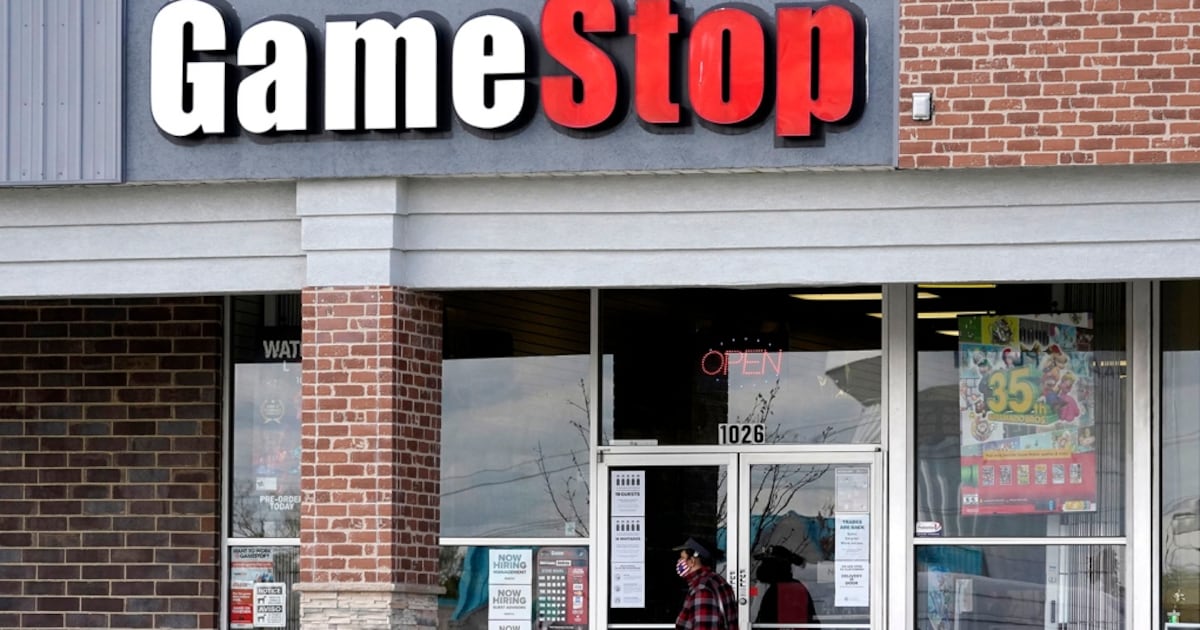
The financial world reeled Monday morning as news broke of an audacious, potentially game-changing maneuver: GameStop, the embattled video game retailer, is reportedly pursuing an approximately US$56 billion takeover of eBay. Shares of the e-commerce giant soared before the opening bell, reflecting the market's astonishment and intrigue. This isn't just a corporate acquisition; it's a strategic gambit orchestrated by Ryan Cohen, GameStop's chairman and a figure synonymous with disruptive retail strategies, aiming to transform his company into a direct and potent challenger to Amazon's online retail dominance.
For years, GameStop was perceived as a relic, a brick-and-mortar chain struggling against the tide of digital downloads and e-commerce. Its dramatic resurgence, fueled by a meme stock phenomenon and Cohen's vision, has been nothing short of a financial saga. Now, with this reported bid, Cohen appears to be leveraging that newfound market clout, and perhaps a significant war chest, to execute a pivot of monumental proportions. The proposed acquisition of eBay, a platform with a vast global marketplace, established logistics, and a loyal user base, could provide GameStop with the infrastructure and reach it desperately needs to compete in the cutthroat world of online retail.
The Strategic Rationale: Challenging the Behemoth
At its core, this reported bid is about market share and diversification. Amazon's omnipresence in e-commerce, cloud computing, and digital services has made it a near-insurmountable force. For GameStop, traditionally reliant on new game releases and hardware sales, the path to sustained growth has been unclear. An eBay acquisition offers several critical advantages:
* Instant E-commerce Infrastructure: eBay brings a mature, scalable platform, payment processing systems, and a global shipping network that would take GameStop years and billions to build from scratch. * Diverse Product Categories: While GameStop is niche, eBay offers everything from collectibles to electronics, fashion, and automotive parts. This immediately diversifies GameStop's revenue streams and broadens its customer base beyond gaming enthusiasts. * Brand Recognition and Trust: eBay is a household name with decades of brand equity. Integrating this with GameStop's revitalized, if unconventional, brand could create a powerful new entity. * Leveraging Existing User Bases: The combined user base of both platforms would be immense, offering significant cross-selling opportunities and potential for new loyalty programs.
Ryan Cohen's strategy has always been about digital transformation and customer-centricity. His previous success with Chewy, an online pet supply retailer, showcased his ability to disrupt established markets. Applying this philosophy to a combined GameStop-eBay entity could involve significant technological upgrades, improved user experience, and aggressive marketing campaigns designed to chip away at Amazon's market lead. The focus would likely be on creating a more community-driven marketplace, perhaps leveraging GameStop's gaming roots to foster unique niche markets within the broader eBay framework.
Financial Implications and Market Reaction
The reported US$56 billion valuation for eBay is a substantial sum, reflecting its market capitalization and strategic value. Such an acquisition would likely involve a combination of cash, stock, and potentially significant debt financing. The market's initial reaction, with eBay shares soaring, suggests investors see the bid as credible and potentially beneficial for eBay shareholders, indicating a premium over its current market value.
However, the financial engineering required for GameStop, a company with a market cap significantly lower than the bid, would be immense. Analysts are already scrutinizing how such a deal could be structured without diluting existing GameStop shareholders excessively or burdening the combined entity with unsustainable debt. The involvement of institutional investors, private equity, or even a consortium could be necessary to finance such a colossal undertaking.
Furthermore, regulatory scrutiny would be intense. A merger of this magnitude, particularly one aiming to challenge a dominant player like Amazon, would undoubtedly attract the attention of antitrust regulators in multiple jurisdictions. The potential impact on competition, consumer choice, and small businesses using these platforms would be thoroughly examined.
The Road Ahead: Challenges and Opportunities
Should this acquisition proceed, the integration of two distinct corporate cultures and technological infrastructures would be a monumental task. eBay, while a pioneer, has faced its own challenges in recent years, including increased competition and the need for continuous innovation. GameStop, for its part, is still in the midst of its own transformation. Merging these two entities would require a clear vision, strong leadership, and flawless execution.
Key challenges include:
* Cultural Integration: Blending GameStop's lean, digitally focused new culture with eBay's more established, traditional tech company ethos. * Technological Synergy: Ensuring seamless integration of platforms, data, and logistics without disrupting existing operations. * Retaining Talent: Preventing key employees from both companies from departing amidst uncertainty. * Regulatory Hurdles: Navigating complex antitrust reviews and gaining necessary approvals.
Despite these hurdles, the opportunities are equally vast. A combined GameStop-eBay could create a formidable alternative marketplace, one that potentially focuses more on sellers, unique items, and community engagement, differentiating itself from Amazon's more centralized, product-driven model. Imagine a platform where GameStop's expertise in collectibles and gaming communities enhances eBay's vast array of niche markets, creating a vibrant ecosystem for enthusiasts and small businesses alike.
This reported bid is more than just a financial transaction; it's a bold statement of intent. It signifies a new chapter in the ongoing saga of retail evolution, where traditional boundaries blur, and unexpected players emerge to challenge the status quo. Whether successful or not, GameStop's pursuit of eBay has already sent ripples through the market, forcing competitors and observers alike to reconsider the future landscape of e-commerce. The coming months will undoubtedly reveal if this audacious gamble will indeed reshape the digital marketplace, or if it will simply be another footnote in the annals of corporate ambition. The battle for online retail supremacy is far from over, and with players like Ryan Cohen at the helm, it promises to be anything but predictable.
The Crypto Angle: A Future Integration?
Given the category of this article, it's pertinent to consider how cryptocurrencies and blockchain technology might factor into Ryan Cohen's long-term vision for a combined GameStop-eBay entity. GameStop has already made significant strides into the Web3 space, launching its own NFT marketplace and exploring digital assets. eBay, too, has shown interest in NFTs and digital collectibles, albeit with a more cautious approach.
Should this acquisition materialize, the synergy in the crypto domain could be immense. Imagine a unified platform that leverages blockchain for:
* Enhanced Authenticity: Using NFTs to verify the authenticity of high-value collectibles sold on the marketplace, combating counterfeiting. * Decentralized Payments: Integrating various cryptocurrencies as payment options, potentially reducing transaction fees and offering greater financial inclusion. * Digital Ownership: Expanding the concept of ownership beyond physical goods to include digital assets, with a robust secondary market for NFTs. * Creator Economy: Empowering artists, game developers, and small businesses to sell digital goods directly to consumers with transparent royalties and ownership rights.
Cohen's known interest in disruptive technologies suggests that a GameStop-eBay merger could accelerate the mainstream adoption of crypto and blockchain in e-commerce. This wouldn't just be about accepting Bitcoin; it could involve building a truly decentralized marketplace layer, offering unique digital experiences, and fostering a new generation of digital commerce built on Web3 principles. This vision, while ambitious, aligns perfectly with the disruptive spirit behind the reported $56 billion bid, hinting at a future where traditional retail and cutting-edge digital assets converge to redefine how we buy, sell, and own things online.
Stay Informed
Get the world's most important stories delivered to your inbox.
No spam, unsubscribe anytime.
Comments
No comments yet. Be the first to share your thoughts!