Garmin's New Forerunner 70 & 170: Premium Health Tracking Goes Mainstream
Garmin is democratizing advanced health and fitness tracking with its new Forerunner 70 and 170 smartwatches. These affordable models integrate sophisticated features previously exclusive to their high-end devices, including detailed training metrics, sleep analysis, and recovery insights. PulseWorld explores how this strategic move challenges competitors and empowers a broader segment of athletes and health enthusiasts to optimize their performance and well-being without the premium price tag. This launch signifies a major shift in the wearable tech landscape.
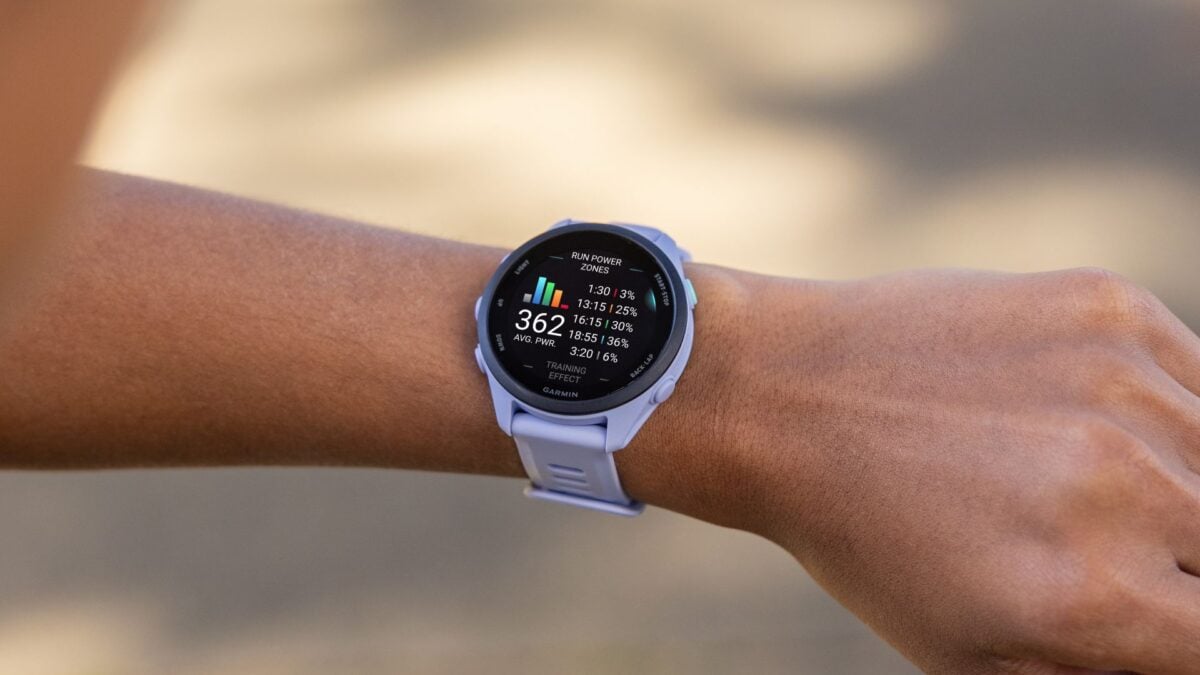
In an era where personal health data is as coveted as performance metrics, Garmin, a name synonymous with precision and endurance in the world of sports wearables, has once again redefined accessibility. The launch of its new Forerunner 70 and Forerunner 170 smartwatches marks a pivotal moment, bringing a suite of advanced health and fitness tracking capabilities—once the exclusive domain of its premium, higher-priced models—to a much broader audience. This strategic move isn't just about offering 'cheaper' watches; it's about democratizing sophisticated athletic insights, challenging the status quo of the wearable tech market, and empowering a new generation of health-obsessed individuals.
For years, Garmin has cultivated a loyal following among serious athletes, from marathon runners and triathletes to cyclists and outdoor adventurers. Its devices, while often commanding a higher price point, have been lauded for their unparalleled accuracy, robust build quality, and comprehensive data analysis. Features like Body Battery, Training Status, Recovery Time, and advanced sleep tracking have become indispensable tools for those meticulously optimizing their performance and well-being. The inherent challenge, however, has been the barrier to entry for many aspiring athletes or those simply seeking deeper health insights without the significant financial commitment.
Bridging the Gap: Premium Features for the Everyday Athlete
The Forerunner 70 and 170 directly address this gap. By integrating core functionalities previously reserved for devices like the Forerunner 255, 265, or even the Fenix series, Garmin is effectively extending its technological prowess to a more budget-conscious demographic. This isn't a watered-down experience; it's a carefully curated selection of the most impactful features designed to provide meaningful insights without overwhelming the user or inflating the cost. Imagine having access to VO2 Max estimation, a crucial indicator of cardiovascular fitness, or detailed sleep scores and stress tracking on a device that doesn't break the bank. These are no longer luxuries but standard offerings.
The Forerunner 170, in particular, stands out with its inclusion of a built-in GPS, a fundamental requirement for accurate pace, distance, and route tracking during outdoor activities. This, combined with an optical heart rate sensor, provides a solid foundation for comprehensive workout analysis. The watches also boast impressive battery life, a hallmark of Garmin devices, far surpassing many competitors in their price range. This longevity is critical for athletes who rely on their device for multi-day adventures or simply prefer not to charge daily. Furthermore, the intuitive user interface, a result of years of refinement, ensures that even newcomers to the Garmin ecosystem can easily navigate and interpret their data.
The Competitive Landscape: A Strategic Masterstroke
Garmin's strategy with the Forerunner 70 and 170 is a shrewd response to an increasingly crowded and competitive wearable market. While Apple Watch dominates the general smartwatch segment, its sports-specific capabilities, particularly for serious endurance athletes, have often been seen as secondary to its broader smart features. Other players like Fitbit and Samsung offer compelling health tracking, but Garmin's deep heritage in sports science gives it a distinct edge. By making its core athletic intelligence more accessible, Garmin is not only fending off competition but actively expanding its market share.
This move could also be seen as a long-term play to onboard new users into the Garmin ecosystem. Once accustomed to the reliability and depth of data provided by a Forerunner 70 or 170, users are more likely to upgrade within the Garmin family as their athletic ambitions grow. It's a classic 'land and expand' strategy, building brand loyalty from the ground up. The inclusion of features like race adaptive training plans and daily suggested workouts further cements these watches as serious training tools, not just activity trackers. This level of personalized guidance is typically found in much more expensive devices or requires separate app subscriptions.
The Impact on Health and Performance: More Than Just Numbers
For the individual, the implications are profound. Access to sophisticated metrics like heart rate variability (HRV), which can indicate recovery status and overall stress, or running dynamics (when paired with compatible sensors) empowers users to make more informed decisions about their training, rest, and general well-being. It transforms passive data collection into actionable insights. No longer is it just about counting steps; it's about understanding the physiological responses to those steps, optimizing training load, and preventing overtraining.
Consider a budding runner preparing for their first half-marathon. With a Forerunner 170, they can track their progress, understand their training intensity zones, receive personalized workout suggestions, and monitor their recovery. This level of guidance, previously requiring a coach or expensive equipment, is now available on their wrist. For individuals focused on general health, features like Pulse Ox (blood oxygen saturation) and hydration tracking provide a holistic view of their daily health, promoting healthier habits and early detection of potential issues. The integration with Garmin Connect, the company's robust app, allows for detailed data visualization, community challenges, and seamless syncing with third-party platforms, creating a comprehensive health and fitness hub.
The Future of Accessible Performance Tracking
The launch of the Forerunner 70 and 170 is more than just a product release; it's a statement about the future direction of wearable technology. It signals a trend towards greater accessibility of advanced features, driven by improvements in sensor technology and manufacturing efficiency. As these technologies become more ubiquitous and cost-effective, we can expect even more sophisticated health insights to become standard across all price points.
Garmin's move is likely to spur other manufacturers to reassess their own mid-range offerings, potentially leading to a 'race to the bottom' in terms of price for premium features, which ultimately benefits the consumer. This democratization of data will empower millions more to take control of their health and fitness journeys, transforming casual exercisers into data-driven athletes. The Forerunner 70 and 170 are not just watches; they are gateways to a more informed, optimized, and ultimately healthier lifestyle, proving that high-performance tracking doesn't always have to come with a high-performance price tag. This strategic pivot solidifies Garmin's position not just as a leader in sports tech, but as an innovator committed to making advanced health insights universally available.
Stay Informed
Get the world's most important stories delivered to your inbox.
No spam, unsubscribe anytime.
Comments
No comments yet. Be the first to share your thoughts!