Geopolitical Skies: China's Influence Blocks Taiwan's Diplomatic Flight Path
China has lauded Seychelles, Mauritius, and Madagascar for denying overflight rights to Taiwan's President Lai Ching-te, a move that forced the cancellation of his visit to Eswatini. This incident highlights Beijing's escalating diplomatic pressure on nations to isolate Taiwan, a self-governed democracy China claims as its own territory. The episode underscores the complex geopolitical landscape and the growing challenge for Taiwan to maintain international engagement amidst China's assertive foreign policy.
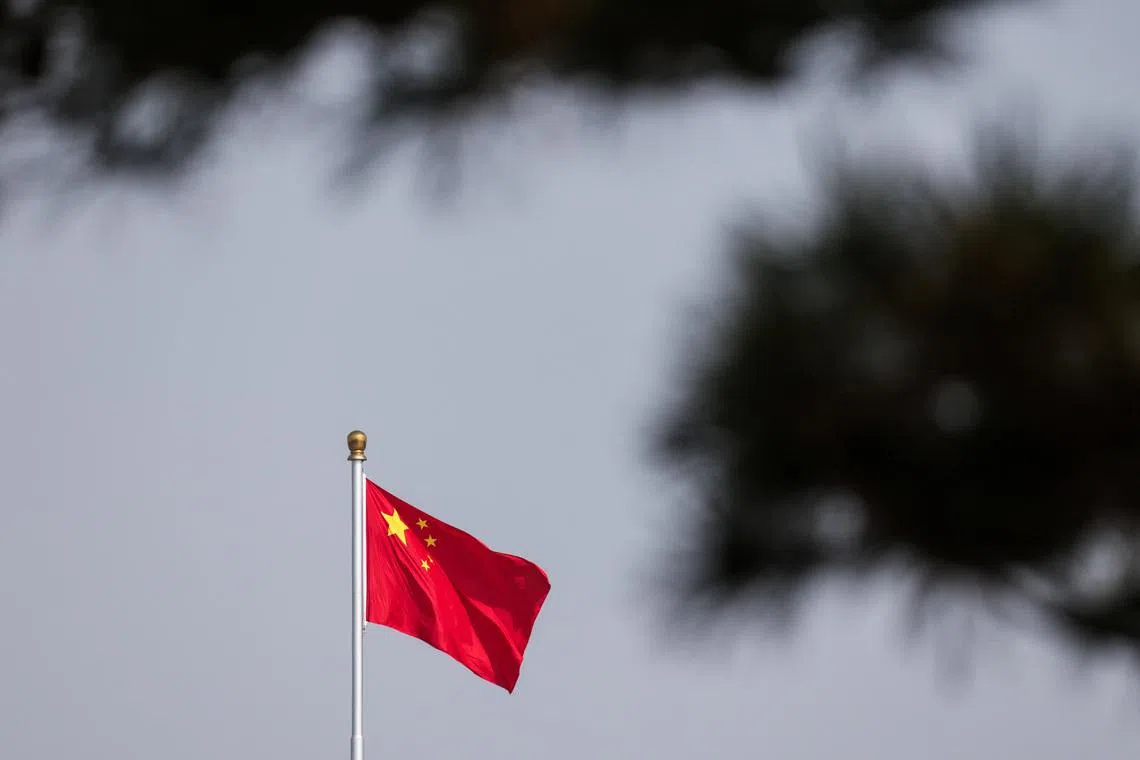
In a stark demonstration of its expanding geopolitical influence, China recently commended three African nations – Seychelles, Mauritius, and Madagascar – for their decision to deny overflight rights to Taiwan's President Lai Ching-te. This diplomatic maneuver effectively grounded President Lai's planned visit to Eswatini, Taiwan's last remaining diplomatic ally in Africa, and sent a clear message about Beijing's unwavering resolve to isolate Taipei on the international stage. The incident, which Taiwan's foreign ministry vehemently denounced as an act of “servitude” to Beijing, underscores the precarious position of the democratic island in a world increasingly swayed by China's economic and political might.
The Incident: A Flight Path Intercepted
The controversy unfolded when President Lai Ching-te, then Vice President, was scheduled to embark on a diplomatic trip to Eswatini, a small Southern African kingdom that has steadfastly maintained official ties with Taiwan despite intense pressure from Beijing. The journey, however, was abruptly halted when Seychelles, Mauritius, and Madagascar reportedly revoked permission for his aircraft to traverse their airspace. While the exact timing and reasons for the revocations remain subject to diplomatic interpretation, the outcome was undeniable: President Lai's flight path was effectively blocked, forcing the cancellation of a high-profile visit intended to bolster Taiwan's international presence.
Beijing’s reaction was swift and celebratory. Chinese state media and official spokespersons lauded the three nations for upholding the “One China” principle, which posits that there is only one sovereign state under the name China, and Taiwan is an inseparable part of it. This praise served as both a reward for compliance and a warning to other nations contemplating engagement with Taiwan. For Taipei, the incident was a bitter pill, exposing the vulnerability of its diplomatic outreach efforts to Beijing's relentless campaign of international isolation.
Historical Context: The One China Principle and Taiwan's Diplomatic Struggle
The denial of overflight rights is not an isolated event but rather the latest salvo in a decades-long geopolitical struggle rooted in the Chinese Civil War. Following the Communist victory in 1949, the defeated Nationalist government, led by Chiang Kai-shek, retreated to Taiwan, establishing the Republic of China (ROC). Beijing, under the Communist Party of China (CPC), views the ROC government in Taiwan as a renegade province and insists on its eventual reunification with the mainland, by force if necessary. This historical narrative forms the bedrock of the “One China” principle, which China demands all nations adhere to as a precondition for diplomatic relations.
Over the years, Beijing has systematically eroded Taiwan's diplomatic space. In the 1970s, the United Nations recognized the People's Republic of China (PRC) as the legitimate representative of China, leading to a cascade of nations switching diplomatic recognition from Taipei to Beijing. Today, Taiwan maintains official diplomatic relations with only a handful of countries, predominantly small island nations in the Pacific, Central America, and Eswatini in Africa. Each time a country switches recognition, it is a significant blow to Taiwan's international standing and a diplomatic victory for Beijing.
China employs a powerful toolkit of incentives and disincentives to achieve its diplomatic goals. Economic aid, trade deals, infrastructure projects, and investment opportunities are often dangled before developing nations, while the threat of economic retaliation or political isolation looms for those who defy Beijing's stance on Taiwan. This strategy has proven highly effective, particularly in regions like Africa, where many nations are eager for development assistance and investment.
African Nations Caught in the Crossfire: Sovereignty vs. Economic Pragmatism
Seychelles, Mauritius, and Madagascar are all sovereign nations, yet their decisions to deny overflight rights reflect the complex calculus many developing countries face when navigating the U.S.-China rivalry. While the specific details of any direct pressure from Beijing remain undisclosed, it is widely understood that maintaining good relations with China is crucial for these nations' economic interests. China is a major trading partner, investor, and lender across Africa, and its Belt and Road Initiative (BRI) has funded numerous infrastructure projects on the continent.
For these countries, the potential economic benefits of aligning with Beijing often outweigh the abstract principles of supporting Taiwan's democratic sovereignty. The cost of defying China could include lost investments, reduced trade, or even diplomatic censure, consequences that many smaller economies cannot afford. This dynamic places African nations in a difficult position, often forcing them to choose between their own economic development and adherence to international norms of democratic solidarity. Taiwan's foreign ministry's accusation of “servitude” highlights this uncomfortable reality, suggesting that the choices made were not entirely independent but influenced by Beijing's considerable leverage.
Implications for Taiwan and the International Community
This incident has profound implications for Taiwan's future and for the broader international order. For Taiwan, it reinforces the immense challenge of maintaining its international space. As China's power grows, the pressure on Taiwan's remaining allies will only intensify. Taipei will need to innovate its diplomatic strategies, perhaps focusing more on informal ties, cultural exchanges, and economic partnerships with non-allied nations, rather than solely on formal diplomatic recognition.
For the international community, the episode serves as a stark reminder of China's willingness to use its influence to reshape global norms and isolate those it deems a challenge to its sovereignty. It raises questions about the erosion of national sovereignty when smaller nations are compelled to make decisions under the shadow of a larger power's economic and political might. Democracies worldwide, particularly the United States and its allies, face a growing dilemma: how to support Taiwan's democratic values and self-determination without provoking a direct confrontation with China, while also safeguarding the principles of international law and sovereign decision-making.
The Road Ahead: A Test of Resolve
The denial of overflight rights for President Lai Ching-te is more than just a logistical hiccup; it is a significant geopolitical statement. It signals China's increasing confidence and assertiveness in enforcing its “One China” principle globally, leaving little room for ambiguity or diplomatic nuance. As Taiwan continues to navigate its complex international standing, and as China continues its ascent, such incidents are likely to become more frequent and more challenging to manage. The world watches as Taiwan, a vibrant democracy, battles for its place on the global stage against a formidable and increasingly influential superpower. The resolution of this geopolitical tug-of-war will not only determine Taiwan's fate but also profoundly shape the future of international relations and the balance of power in the 21st century. The skies over Africa, once merely routes for travel, have become a new frontier in this enduring diplomatic contest.
Stay Informed
Get the world's most important stories delivered to your inbox.
No spam, unsubscribe anytime.
Comments
No comments yet. Be the first to share your thoughts!