Geopolitical Tensions Ignite Crypto Markets: Trump's Iran Threat and the Digital Gold Rush
President Trump's recent severe warning to Iran, following a drone strike on a UAE nuclear plant, has sent shockwaves through global energy markets, causing oil prices to surge. This geopolitical instability is driving investors towards perceived safe-haven assets, with cryptocurrencies, particularly Bitcoin, emerging as a significant contender. The event underscores the growing role of digital assets in times of global uncertainty, challenging traditional financial paradigms.
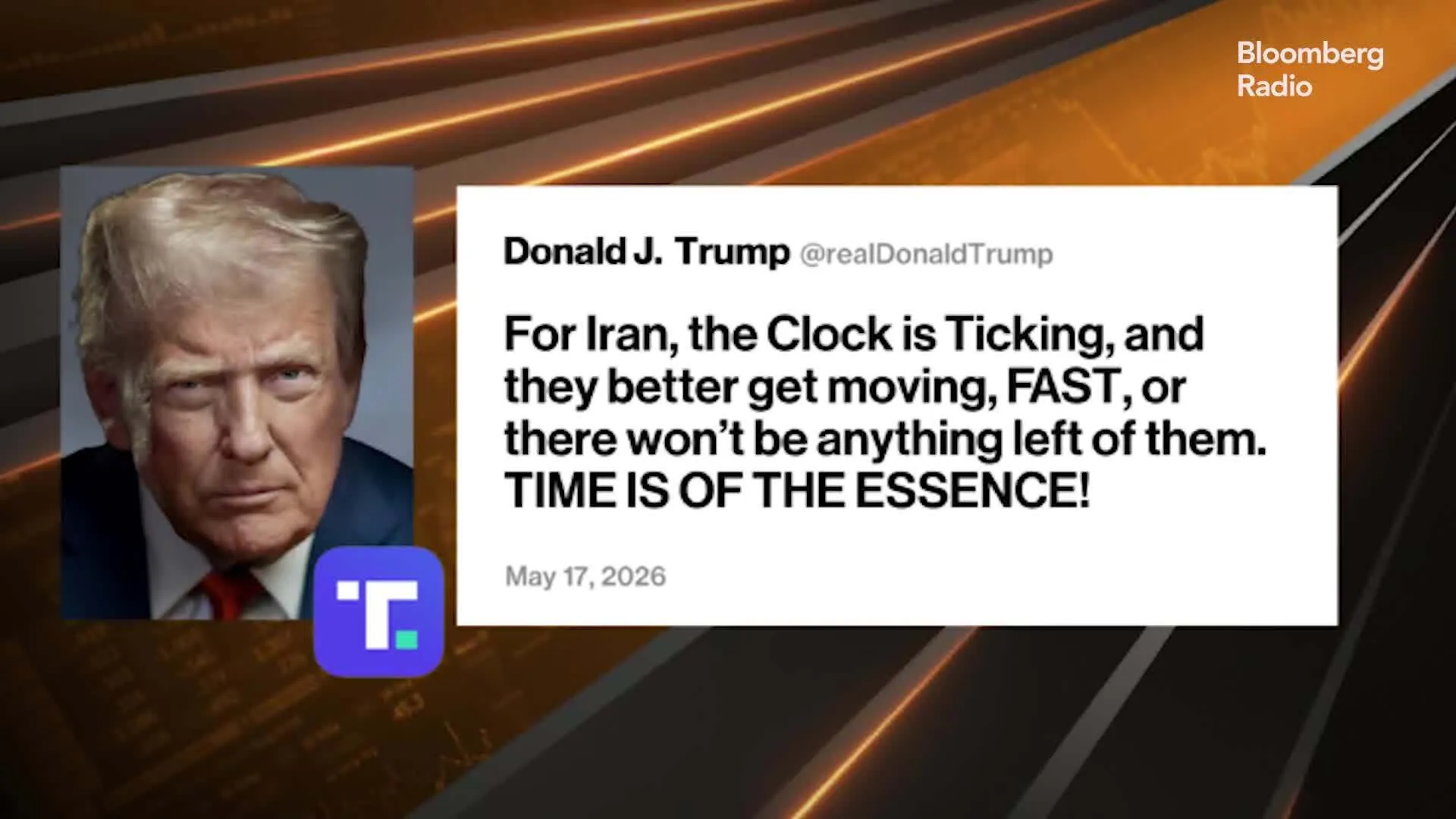
The global financial landscape is once again grappling with the specter of geopolitical instability, as a stark warning from United States President Donald Trump to Iran has sent tremors through energy markets and, perhaps surprisingly, ignited a fervent rally in the cryptocurrency sphere. Following a devastating drone strike on a critical nuclear power facility in the United Arab Emirates, Trump's declaration that the "clock is ticking" for Tehran has not only triggered a massive surge in global oil prices but has also spotlighted the evolving role of digital assets as a hedge against conventional market volatility.
This incident, occurring in a region already fraught with complex political dynamics, serves as a potent reminder of how quickly global events can reshape investment strategies. While the immediate reaction saw crude oil futures climb to unprecedented levels, indicating widespread fear of supply disruptions, a parallel and equally significant narrative began to unfold in the digital asset space. Investors, seeking refuge from the potential fallout of an escalating Middle Eastern conflict, have increasingly turned their attention to cryptocurrencies, positioning them as a modern-day digital gold.
The Geopolitical Catalyst: A Deep Dive into the Iran-UAE Incident
The drone strike on the UAE's nuclear plant represents a critical escalation in regional tensions, with intelligence agencies quickly pointing fingers at Iranian-backed proxies, if not direct Iranian involvement. The facility, a cornerstone of the UAE's energy independence and a symbol of its technological ambition, sustained significant damage, though official reports downplayed immediate threats to safety. President Trump's response was swift and unequivocal, delivered via his preferred communication channel, social media, and later reinforced by White House statements. His rhetoric, characterized by a blend of stern warnings and veiled threats of retaliation, immediately injected a high degree of uncertainty into an already fragile global security environment.
Historically, such geopolitical flashpoints involving major oil-producing regions have invariably led to spikes in energy prices. The Strait of Hormuz, a critical chokepoint for global oil shipments, remains a constant concern, and any perceived threat to its navigability or the stability of surrounding nations sends jitters through commodity markets. This latest incident is no exception, pushing Brent crude above $90 a barrel for the first time in years and sending ripple effects across economies reliant on stable energy costs.
Cryptocurrency's Ascent: A New Safe Haven?
While the immediate focus of traditional media remained on oil and equities, a quiet but powerful shift was occurring in the digital realm. Within hours of Trump's statement, Bitcoin (BTC) experienced a significant price jump, breaking through key resistance levels and pulling other major cryptocurrencies, or altcoins, along with it. This reaction is not entirely unprecedented; Bitcoin has often been observed to rally during periods of economic or political uncertainty, such as the US-China trade war or the initial stages of the COVID-19 pandemic.
The argument for Bitcoin as a safe-haven asset rests on several pillars:
* Decentralization: Unlike fiat currencies or traditional assets, Bitcoin is not controlled by any single government or central bank, making it immune to political manipulation or seizure. * Scarcity: Its fixed supply cap of 21 million coins makes it inherently deflationary, akin to gold. * Portability and Accessibility: It can be transferred globally with relative ease and speed, offering a lifeline for those in regions experiencing capital controls or hyperinflation. * Censorship Resistance: Transactions are peer-to-peer and generally resistant to censorship, a crucial feature in times of geopolitical conflict.
This latest surge, however, marks a more pronounced acceptance of crypto's role in a crisis. Major institutional investors, who once viewed digital assets with skepticism, are now increasingly incorporating them into their risk management strategies. Data from analytics firms like Glassnode shows a significant uptick in accumulation by long-term holders and institutional wallets immediately following the geopolitical news, suggesting a deliberate strategic move rather than speculative frenzy.
The Broader Economic Implications and the Dollar's Dilemma
The oil price surge poses a significant threat to global economic recovery, potentially fueling inflation and dampening consumer spending. Central banks, already battling persistent inflationary pressures, now face an even more complex balancing act. A prolonged period of high energy costs could trigger a global recession, further exacerbating existing economic vulnerabilities.
For the US Dollar, the situation is nuanced. While geopolitical crises often lead to a flight to the dollar as a traditional safe haven, the current scenario presents a challenge. The very actions of the US government are the catalyst for this instability, potentially eroding trust in dollar-denominated assets over the long term. Furthermore, the rise of Bitcoin as an alternative safe haven suggests a gradual erosion of the dollar's unchallenged dominance in crisis scenarios. This isn't to say the dollar is losing its reserve currency status overnight, but it highlights a growing diversification of risk by global investors.
Regulatory Scrutiny and Future Outlook
The increasing prominence of cryptocurrencies during periods of global instability inevitably brings them under greater regulatory scrutiny. Governments worldwide are grappling with how to regulate these borderless assets, balancing innovation with concerns over illicit finance and investor protection. The G7 and G20 nations have intensified discussions on global crypto frameworks, recognizing that a fragmented approach could undermine financial stability.
Looking ahead, the Iran-UAE incident and its ripple effects on both traditional and digital markets underscore a fundamental shift. Geopolitical events are no longer just about oil and gold; they are increasingly about the interplay between traditional finance and the nascent, yet powerful, world of cryptocurrencies. As the "clock ticks" on geopolitical tensions, it also ticks on the evolution of global finance, with digital assets poised to play an ever more critical role. The question is no longer if cryptocurrencies will be part of the global financial architecture, but how deeply integrated they will become, especially as a bulwark against the unpredictable tides of international relations. The current crisis serves as a stark reminder that in an interconnected world, the search for stability often leads to unexpected frontiers, and for many, that frontier is now digital.
This event could accelerate the adoption of Central Bank Digital Currencies (CBDCs) as nations seek greater control over their monetary systems in a volatile global environment, while simultaneously pushing private cryptocurrencies like Bitcoin further into the role of an independent, neutral store of value. The coming months will undoubtedly test the resilience of both traditional and digital financial systems, with geopolitical tensions acting as the ultimate stress test.
Stay Informed
Get the world's most important stories delivered to your inbox.
No spam, unsubscribe anytime.
Comments
No comments yet. Be the first to share your thoughts!