Geopolitical Tensions Rock Asian Markets: Hong Kong Stocks Retreat Amid Ceasefire Uncertainty
Asian markets, particularly Hong Kong, experienced significant volatility following a ceasefire extension that failed to quell investor anxiety. Lingering geopolitical uncertainties, especially concerning oil flow normalization, led to a sharp decline in the Hang Seng Index and technology stocks. This article delves into the complex interplay of global events, investor sentiment, and market performance across the region, offering expert analysis on the path forward.
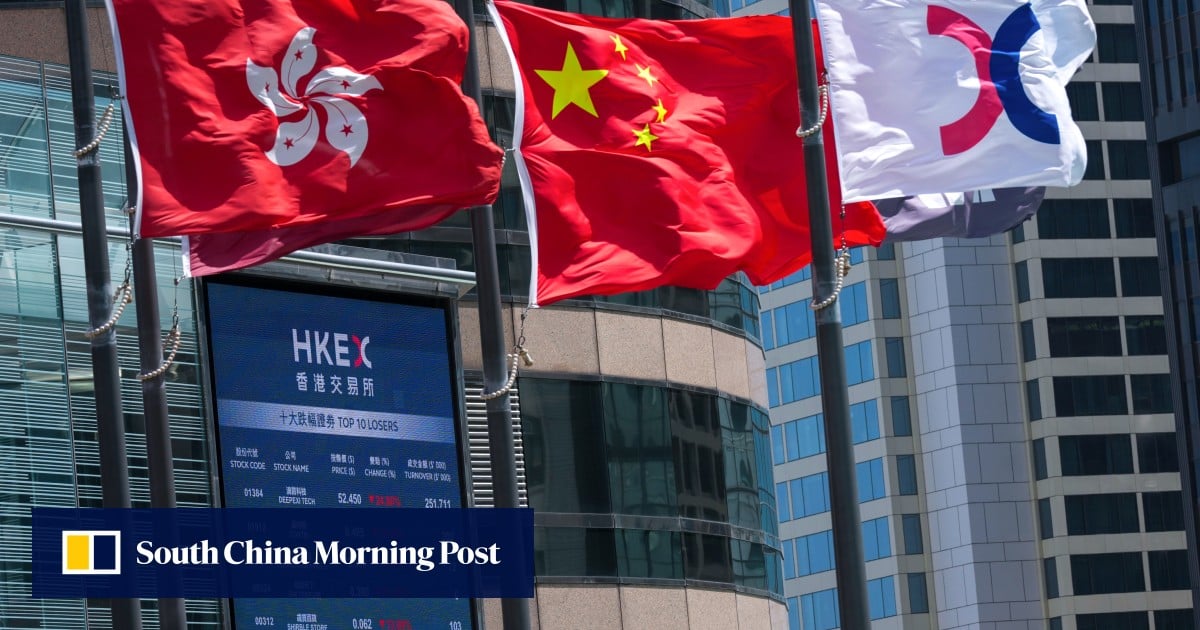
The global financial landscape remains a delicate tapestry, highly susceptible to the threads of geopolitical events. In a recent illustration of this fragility, Asian markets, particularly Hong Kong, demonstrated a pronounced retreat as a ceasefire extension failed to deliver the decisive clarity investors craved. This hesitation underscores a broader sentiment of caution, where the absence of concrete progress on critical issues like oil flow normalization continues to cast a long shadow over market confidence.
At the heart of the recent market turbulence was Hong Kong's benchmark Hang Seng Index, which tumbled 1.3 percent to 26,137.01 during the noon break. Even more acutely affected were the city's technology stocks, which collectively plunged a significant 2.2 percent. This sharp decline stands in stark contrast to the Chinese mainland's CSI 300 Index, which managed a modest 0.3 percent gain, highlighting a divergence in investor perception and market resilience within the broader Asian economic sphere. The narrative unfolding in Hong Kong is a potent reminder that while a temporary cessation of hostilities might offer a glimmer of hope, it is the underlying, structural resolutions that truly move markets.
The Lingering Shadow of Geopolitical Uncertainty
The extension of a two-week truce, initially perceived as a positive development, quickly revealed its limitations in assuaging investor fears. The core issue, as articulated by market analysts, is the lack of conviction about material progress on a sustainable ceasefire and, crucially, the normalization of oil flow. Geopolitical conflicts, especially those impacting major energy supply routes, inevitably ripple through global economies. The uncertainty surrounding oil production, transportation, and pricing creates a volatile environment for businesses, impacts inflation forecasts, and directly influences corporate earnings projections, making investors wary of committing capital.
Historically, periods of geopolitical instability have almost always correlated with increased market volatility. From the oil shocks of the 1970s to more recent conflicts in the Middle East and Eastern Europe, the financial world reacts swiftly to threats to global stability. What makes the current situation particularly challenging is the interconnectedness of modern economies. A disruption in one region can have cascading effects, impacting supply chains, commodity prices, and consumer confidence worldwide. Investors are not just looking for a pause in conflict; they are seeking a clear, irreversible path towards stability that guarantees predictable economic conditions.
Hong Kong's Unique Vulnerability and Tech Sector Woes
Hong Kong, as a major international financial hub, is particularly sensitive to global sentiment and geopolitical shifts. Its open economy and reliance on international trade mean that any perceived instability in global affairs can quickly translate into capital outflows and market depreciation. The significant drop in technology stocks within Hong Kong further highlights a specific vulnerability. Tech companies, often growth-oriented and reliant on stable global markets for expansion and investment, are among the first to feel the pinch when uncertainty looms. Factors such as potential supply chain disruptions, fluctuating consumer demand, and investor flight to safer assets disproportionately affect this sector. The Hang Seng Tech Index has been under pressure for various reasons over the past year, including regulatory crackdowns and global interest rate hikes, and geopolitical tensions only exacerbate these existing headwinds.
Moreover, the city's unique position as a gateway to mainland China means its markets are often influenced by both global and regional factors. While mainland Chinese markets like the CSI 300 showed resilience, Hong Kong's more international investor base and higher exposure to global capital flows make it a more immediate barometer of worldwide risk appetite. The divergence suggests that domestic Chinese investors might be more insulated or have different catalysts driving their market behavior, such as government stimulus measures or sector-specific policies.
The Broader Economic Implications and Investor Psychology
The impact of lingering uncertainty extends beyond mere stock price fluctuations. It affects investor psychology, leading to a 'wait-and-see' approach that can stifle investment and economic growth. Businesses might delay expansion plans, consumers might curb spending, and international capital might seek refuge in perceived safe havens, further dampening market activity. The cost of capital can also rise as risk premiums increase, making it more expensive for companies to borrow and invest.
Central banks and policymakers are also keenly observing these developments. Geopolitical tensions can complicate monetary policy decisions, especially if they lead to inflationary pressures (e.g., through higher oil prices) or threaten economic stability. Balancing the need to control inflation with supporting economic growth becomes an even more intricate challenge in such an environment. The current global economic backdrop, characterized by elevated inflation in many major economies and ongoing efforts to normalize monetary policy, makes any additional source of instability particularly unwelcome.
The Path Forward: What Investors Are Watching
For markets to regain sustained momentum, investors require more than just temporary ceasefires. They are looking for concrete, verifiable steps towards conflict resolution and, crucially, the restoration of normal economic conditions. This includes clear agreements on oil production quotas, secure shipping lanes, and a reduction in broader regional tensions. The market's reaction to the ceasefire extension serves as a powerful signal to political leaders: temporary measures, while welcome, are insufficient to restore long-term confidence.
Analysts suggest that until there is a clear roadmap for de-escalation and a return to predictable global trade and energy flows, market volatility will likely persist. Investors will continue to monitor diplomatic efforts, energy market data, and corporate earnings reports for any signs of stability or further deterioration. The current environment underscores the importance of a diversified portfolio and a long-term investment horizon, as short-term fluctuations driven by geopolitical headlines can be significant. The resilience of certain sectors or regions, like the mainland Chinese market's slight gain, also points to the potential for selective opportunities for those willing to navigate the complex landscape with careful analysis.
In conclusion, the recent retreat in Hong Kong stocks is a stark reminder of how deeply intertwined global finance is with geopolitical realities. While the immediate focus is on the current conflict, the broader lesson is about the enduring need for stability and predictability in international relations to foster a healthy, growing global economy. The coming weeks will be critical in determining whether diplomatic efforts can translate into the tangible progress that investors are so eagerly awaiting.
Stay Informed
Get the world's most important stories delivered to your inbox.
No spam, unsubscribe anytime.
Comments
No comments yet. Be the first to share your thoughts!