Ghana's Historic Entry into ITF Council: A New Era for African Transport and Global Connectivity
Ghana has achieved a significant diplomatic and economic milestone, becoming the first Sub-Saharan African nation to be admitted into the Council of Ministers of Transport of the International Transport Forum (ITF). This landmark decision, made during the 2026 ITF Summit in Leipzig, Germany, signals a new era for African representation in global transport policy. The move is expected to unlock substantial opportunities for infrastructure development, regional integration, and sustainable transport solutions across the continent, positioning Ghana as a pivotal player in shaping the future of international logistics and trade.
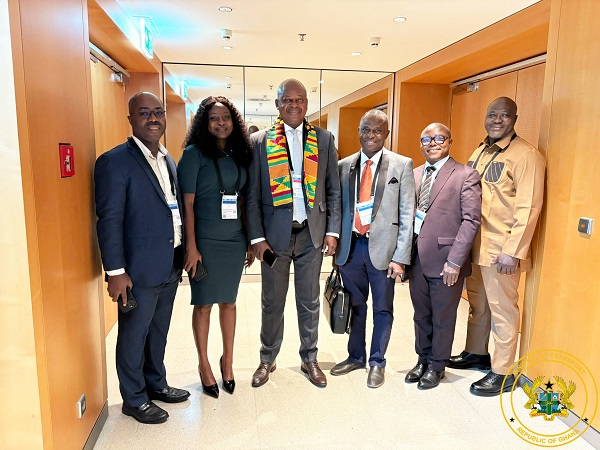
In a historic moment that reverberated across the global transport sector, Ghana proudly etched its name into the annals of international diplomacy and economic development. At the prestigious 2026 International Transport Forum (ITF) Summit held in Leipzig, Germany, the West African nation was officially admitted into the Council of Ministers of Transport – a groundbreaking achievement that marks it as the first Sub-Saharan African country to join this influential body. This milestone is not merely a symbolic victory but a strategic pivot, positioning Ghana at the forefront of shaping global transport policy and fostering sustainable development across the African continent.
The ITF, an intergovernmental organization within the OECD family, serves as a global platform for transport policy dialogue, bringing together ministers from its member countries to discuss critical issues, share best practices, and forge collaborative solutions for a more efficient and sustainable transport future. Ghana's inclusion is a testament to its growing economic prominence, its commitment to modernizing its transport infrastructure, and its proactive engagement in international affairs. This move is expected to have far-reaching implications, not only for Ghana but for the entire Sub-Saharan African region, offering a powerful voice and direct representation in a forum that dictates global transport norms and investments.
The Road to Leipzig: Ghana's Transport Transformation
Ghana's journey to this pivotal moment has been characterized by consistent efforts to revamp its transport sector. Over the past decade, the nation has invested heavily in upgrading its port facilities, expanding its road network, and modernizing its aviation infrastructure. The Tema Port expansion project, for instance, has significantly increased its capacity, making it one of the most competitive and efficient ports in West Africa. Similarly, the ongoing development of the Eastern Corridor Road Project and the revitalization of the railway system underscore Ghana's commitment to creating a robust, multi-modal transport network capable of supporting its burgeoning economy and facilitating regional trade.
These domestic initiatives have been complemented by Ghana's active participation in regional bodies like the Economic Community of West African States (ECOWAS), where it has championed initiatives aimed at harmonizing transport regulations and improving cross-border logistics. The nation's strategic geographical location, coupled with its stable political environment, has long made it an attractive hub for trade and investment in the region. Its admission into the ITF Council is a direct acknowledgment of these sustained efforts and its potential to contribute meaningfully to global transport discourse. It signals to the international community that Ghana is not just a recipient of development aid but a proactive partner in global governance.
Implications for Sub-Saharan Africa: A Collective Voice
Ghana's entry into the ITF Council transcends national boundaries; it represents a significant step forward for the entire Sub-Saharan African region. For too long, African nations have been underrepresented in global policy-making bodies, often having decisions made for them rather than with them. Ghana's seat at the ITF table provides a crucial platform for articulating African perspectives, advocating for continent-specific challenges, and championing solutions tailored to the unique developmental context of the region.
This newfound representation could lead to several tangible benefits. Firstly, it opens doors for increased foreign direct investment (FDI) into African transport infrastructure projects, as Ghana can now directly influence the ITF's agenda and attract attention to critical investment gaps. Secondly, it facilitates the transfer of knowledge and best practices in areas such as sustainable urban mobility, road safety, and digital transformation in transport – areas where the ITF has extensive expertise. Thirdly, it strengthens the case for regional integration projects, such as the African Continental Free Trade Area (AfCFTA), by ensuring that the necessary transport corridors and logistical frameworks are prioritized and supported at an international level. As Mr. Kwasi Ofori, a transport policy analyst, noted, "Ghana's voice will amplify the collective aspirations of a continent eager to connect its markets and people, fostering economic growth and social cohesion."
Shaping the Future: Sustainable Transport and Innovation
The ITF's agenda is increasingly focused on sustainable transport solutions, decarbonization, and the integration of new technologies. Ghana's membership presents a unique opportunity for the nation, and by extension, for Sub-Saharan Africa, to actively participate in these crucial discussions. As the world grapples with climate change and the imperative to reduce carbon emissions, African nations face the dual challenge of developing their infrastructure while simultaneously adopting environmentally friendly practices.
Ghana can now leverage its position to advocate for appropriate technologies and funding mechanisms that support the transition to green transport in developing economies. This includes promoting electric mobility, investing in renewable energy sources for transport infrastructure, and developing smart city solutions that optimize traffic flow and reduce congestion. Furthermore, the ITF's focus on digitalization and innovation in transport offers Ghana a chance to explore partnerships for implementing cutting-edge solutions like intelligent transport systems (ITS), autonomous vehicles, and advanced logistics platforms, which can significantly enhance efficiency and safety across its networks. This engagement is vital for ensuring that Africa is not merely a consumer of global transport innovations but an active contributor and co-creator.
Challenges and Opportunities Ahead
While Ghana's admission is a cause for celebration, it also brings with it significant responsibilities and challenges. The nation must now effectively utilize its platform to articulate the needs and priorities of Sub-Saharan Africa, ensuring that its voice is heard and its proposals are considered. This will require robust technical expertise, diplomatic acumen, and a clear vision for the future of African transport. The challenge lies in translating this high-level representation into tangible, on-the-ground improvements that benefit ordinary citizens and businesses across the continent.
However, the opportunities far outweigh the challenges. Ghana's leadership role can inspire other African nations to enhance their transport governance and infrastructure, fostering a virtuous cycle of development. It can also serve as a bridge between developed and developing economies, facilitating a more equitable exchange of ideas and resources. The ITF's commitment to data-driven policy making will also empower Ghana to gather better data on its transport sector, leading to more informed decisions and strategic investments. This is a moment for Ghana to demonstrate leadership, innovation, and a collaborative spirit on the global stage.
Conclusion: A New Chapter for Global Transport Governance
Ghana's historic entry into the International Transport Forum's Council of Ministers of Transport marks a pivotal moment for global transport governance and a resounding endorsement of Africa's growing influence. It signifies a recognition of the continent's potential, its unique challenges, and its indispensable role in shaping a sustainable and interconnected global future. As Ghana takes its rightful place among the world's transport leaders, it carries the hopes and aspirations of an entire continent, poised to drive innovation, foster regional integration, and champion a transport agenda that is inclusive, efficient, and environmentally responsible. This is not just Ghana's moment; it is a new chapter for African agency on the world stage, promising a future where the continent's transport networks are not only robust but also globally integrated and sustainably managed.
Stay Informed
Get the world's most important stories delivered to your inbox.
No spam, unsubscribe anytime.
Comments
No comments yet. Be the first to share your thoughts!