Global Press Freedom Hits 25-Year Low Amid Rising Authoritarianism
A new report reveals that press freedom worldwide has plummeted to its lowest point in a quarter-century, with independent journalism facing unprecedented pressure from authoritarian regimes and political polarization. The World Press Freedom Index highlights how established media outlets are being 'asphyxiated' by a combination of state control, misinformation, and economic challenges. This alarming trend poses a significant threat to democracy and informed public discourse globally, demanding urgent attention from international bodies and civil society.
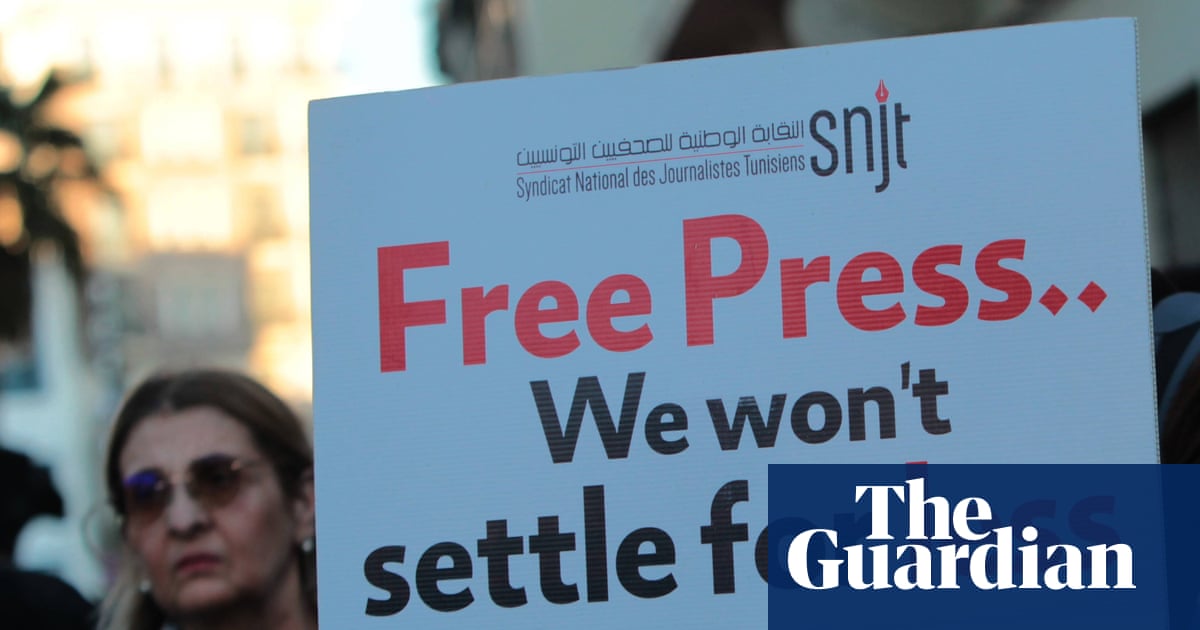
In an era defined by rapid technological advancement and interconnectedness, one fundamental pillar of democracy—press freedom—is crumbling at an alarming rate. A recent, influential annual index has starkly revealed that global press freedom has reached its nadir in a generation, marking a precarious 25-year low. This dire assessment underscores a pervasive and growing authoritarian pressure that is systematically stifling independent journalism across the globe, threatening the very fabric of informed public discourse and democratic accountability.
The World Press Freedom Index, which meticulously assesses the state of media freedom in 180 countries, paints a grim picture. Its findings suggest that established journalism is not merely under attack, but is actively being ‘asphyxiated’ by a complex web of state control, legislative restrictions, economic pressures, and the insidious spread of misinformation. This crisis is not confined to regions traditionally associated with censorship; it is a global phenomenon, impacting even countries with long-standing democratic traditions.
The Alarming Decline: A Quarter-Century Retrospective
The current decline is not a sudden event but the culmination of a worrying trend that has accelerated over the past decade. Twenty-five years ago, the internet was hailed as a democratizing force, promising an unprecedented era of information access and free expression. While it has undoubtedly facilitated communication, it has also become a powerful tool for state surveillance, propaganda dissemination, and the erosion of journalistic credibility through coordinated disinformation campaigns. The index's average score, a composite measure reflecting pluralism, media independence, environment and self-censorship, legislative framework, transparency, and infrastructure, has steadily deteriorated. This sustained erosion signifies a systemic weakening of the conditions necessary for a free press to thrive.
Historically, periods of geopolitical instability or economic downturns have often coincided with increased pressure on media. However, the current situation is unique in its breadth and intensity. We are witnessing a calculated effort by various state and non-state actors to control narratives, suppress dissent, and undermine the public's trust in credible news sources. This strategy is particularly effective in an age where social media algorithms can amplify falsehoods and create echo chambers, making it increasingly difficult for citizens to distinguish fact from fiction.
Mechanisms of Suppression: Beyond Direct Censorship
While overt censorship and the imprisonment of journalists remain stark realities in many parts of the world, the methods of suppressing press freedom have become more sophisticated and insidious. The report highlights several key mechanisms:
* Legislative and Judicial Harassment: Governments are increasingly using vague 'fake news' laws, national security legislation, and defamation suits to intimidate journalists and news organizations into self-censorship. The legal battles are often protracted and financially draining, effectively silencing smaller, independent outlets. * Economic Pressure: State-controlled advertising, withdrawal of licenses, and targeted audits are used to starve independent media of revenue. In many countries, media ownership is concentrated in the hands of government allies, further limiting independent voices. The global economic downturn and the shift to digital advertising have also made news organizations more vulnerable. * Digital Surveillance and Cyberattacks: Journalists, especially those investigating corruption or human rights abuses, are frequently targeted with sophisticated surveillance software. Cyberattacks are used to disrupt operations, steal sensitive information, and expose sources, putting both journalists and their contacts at risk. * Physical Violence and Impunity: Despite international condemnation, journalists continue to face threats, harassment, and even murder, often with little to no accountability for the perpetrators. This climate of impunity fosters fear and forces many to abandon critical reporting. * Disinformation Campaigns: State-sponsored or politically motivated actors flood the information landscape with propaganda and misinformation, deliberately blurring the lines between news and opinion, and eroding public trust in legitimate journalism.
The Global Impact: A Threat to Democracy and Human Rights
The erosion of press freedom has far-reaching consequences that extend beyond the journalistic community. A free press is often referred to as the 'fourth estate' because of its crucial role in holding power accountable, informing citizens, and facilitating transparent governance. When this role is compromised, the foundations of democracy weaken.
* Undermining Accountability: Without independent scrutiny, corruption can flourish unchecked, human rights abuses can go unreported, and government policies can be implemented without public debate or challenge. * Eroding Public Trust: The proliferation of misinformation, coupled with attacks on the credibility of legitimate news organizations, leads to widespread cynicism and a loss of trust in institutions. This makes it harder for societies to address complex challenges, from climate change to public health crises. * Polarization and Social Division: When citizens are fed curated information designed to reinforce existing biases, societal polarization deepens. This makes constructive dialogue and compromise increasingly difficult, often leading to social unrest. * Impact on Human Rights: Journalists are often the first to report on human rights violations. When their ability to operate freely is curtailed, these abuses are more likely to continue unnoticed and unpunished, further endangering vulnerable populations.
Regional Hotspots and Emerging Trends
The report highlights particular regions where press freedom is under severe duress. In parts of Eastern Europe and Central Asia, state control over media is near absolute, with independent voices systematically silenced. Latin America, while diverse, sees journalists frequently caught in the crossfire of political instability, organized crime, and state repression. In Asia, powerful authoritarian states employ sophisticated digital censorship and surveillance to control information flows. Even in established democracies, the rise of populist leaders who openly attack the media, combined with declining revenues for traditional news outlets, creates a challenging environment.
One emerging trend is the increasing targeting of online journalists and citizen reporters. As traditional media outlets face restrictions, many individuals turn to social media and independent platforms to disseminate information. However, these digital spaces are increasingly subject to state surveillance, content moderation pressures, and targeted harassment campaigns, effectively extending the reach of censorship into the digital realm.
A Call to Action: Safeguarding the Future of Journalism
The current trajectory is unsustainable for societies that value truth, transparency, and democratic participation. Reversing this alarming trend requires a concerted effort from multiple stakeholders.
* International Cooperation: Governments and international organizations must prioritize press freedom in their foreign policy agendas, imposing consequences on states that systematically violate media rights. Support for independent media in developing nations is crucial. * Legal Protections: Stronger legal frameworks are needed to protect journalists from harassment, ensure their safety, and combat impunity for crimes committed against them. Whistleblower protections are also vital. * Media Literacy: Educational initiatives are essential to equip citizens with the critical thinking skills needed to discern credible information from misinformation, fostering a more discerning public. * Financial Support for Independent Media: Innovative funding models, philanthropic support, and public broadcasting initiatives can help sustain independent journalism, reducing its vulnerability to political and economic pressures. * Technological Solutions: Developing and promoting secure communication tools and platforms that resist censorship and surveillance can empower journalists and protect their sources.
Ultimately, the fight for press freedom is a fight for the right of every individual to be informed, to question, and to hold power accountable. As the world navigates an increasingly complex and polarized landscape, the role of a free and independent press becomes more critical than ever. Allowing journalism to be ‘asphyxiated’ means sacrificing the very oxygen of democracy itself. The time for complacency is over; the time for decisive action to safeguard this indispensable freedom is now.
Stay Informed
Get the world's most important stories delivered to your inbox.
No spam, unsubscribe anytime.
Comments
No comments yet. Be the first to share your thoughts!