Global Security on Edge: US-Iran Standoff Escalates, China and Russia Warn of 'Dangerous Consequences'
The geopolitical landscape has been dramatically reshaped as the United States' formal blockade of Iranian ports intensifies, prompting Tehran to issue stark threats of regional retaliation. This high-stakes confrontation, particularly concerning the vital Strait of Hormuz, has drawn sharp warnings from global powers like China and Russia, who fear dangerous consequences for international security. Simultaneously, direct negotiations between Israel and Lebanon over their shared border add another layer of complexity to an already volatile Middle East, highlighting the interconnectedness of regional conflicts.
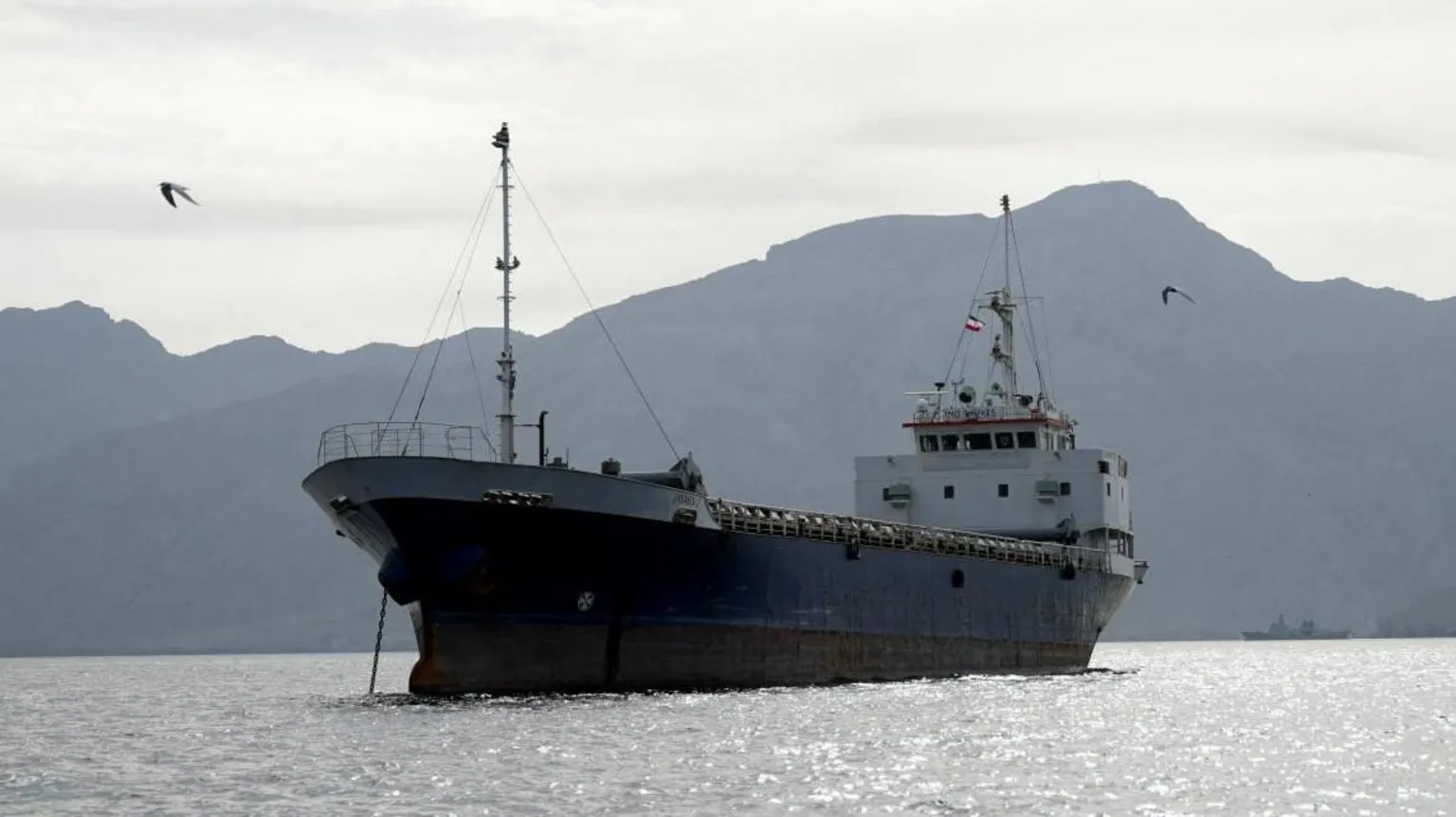
The geopolitical chessboard is currently experiencing one of its most perilous moments in recent memory, as the United States’ formal blockade of Iranian ports has ignited a powder keg in the Middle East. Tehran’s immediate response – a chilling threat of regional retaliatory strikes – has sent shockwaves across the globe, prompting urgent warnings from major powers like China and Russia. These nations underscore the potential for “dangerous consequences” for global security, emphasizing the precarious balance of power in an already volatile region. The epicenter of this escalating tension is the Strait of Hormuz, a critical maritime chokepoint through which a significant portion of the world’s oil supply passes, making any disruption a potential catastrophe for the global economy.
The Blockade and Iran’s Red Line
The US decision to implement a formal blockade on Iranian ports marks a significant escalation in its long-standing pressure campaign against the Islamic Republic. This move, aimed at crippling Iran’s oil exports and further isolating its economy, is perceived by Tehran as an act of war. For Iran, the ability to export oil is not merely an economic imperative but a matter of national sovereignty and survival. The Supreme Leader, Ayatollah Ali Khamenei, has repeatedly stated that if Iran cannot export its oil, no other country in the region will be allowed to do so through the Strait of Hormuz. This "red line" sets the stage for a potential naval confrontation, with Iran’s Revolutionary Guard Corps (IRGC) having previously demonstrated its capacity for asymmetric warfare in the Gulf, including harassment of commercial shipping and missile tests.
The blockade follows years of escalating sanctions and a series of tit-for-tat actions, including attacks on oil tankers and drone incidents. Washington argues that the blockade is a necessary measure to curb Iran’s nuclear ambitions and its support for regional proxy groups, which it labels as destabilizing. However, critics argue that such aggressive tactics risk pushing Iran into a corner, potentially leading to miscalculation and unintended conflict. The economic impact on Iran is already severe, with inflation soaring and the national currency plummeting, fueling domestic unrest that could further complicate the regime’s decision-making.
Global Powers Weigh In: China and Russia's Concerns
The international community is not a monolithic entity, and the US-Iran standoff has sharply divided global opinion. China and Russia, both permanent members of the UN Security Council and significant geopolitical players, have voiced profound concerns. Their warnings of “dangerous consequences” are not merely rhetorical; they reflect genuine fears of a wider regional conflict that could destabilize energy markets, disrupt global trade, and potentially draw in other major powers.
* China, a major importer of Iranian oil, views the blockade as a direct threat to its energy security and global economic stability. Beijing has consistently advocated for diplomatic solutions and adherence to the Iran nuclear deal (JCPOA), from which the US unilaterally withdrew. A conflict in the Strait of Hormuz would severely impact China's Belt and Road Initiative, which relies heavily on stable maritime routes. * Russia, while a strategic partner to Iran in various regional conflicts, particularly in Syria, also seeks to avoid a direct military confrontation with the US. Moscow has criticized Washington's "unilateral actions" and urged all parties to exercise restraint. Russia's primary concern lies in the potential for a regional conflagration to spill over, affecting its own security interests and potentially creating new waves of refugees and extremist activities.
Both nations see the US blockade as a violation of international law and a dangerous precedent that could undermine the principles of national sovereignty and non-interference. Their warnings are a call for de-escalation and a return to multilateral diplomacy, contrasting sharply with the US approach of maximum pressure.
The Strait of Hormuz: A Chokepoint of Global Significance
The Strait of Hormuz is not just a geographical feature; it is a geopolitical nerve center. Approximately 20% of the world's total petroleum liquids consumption, or about 21 million barrels per day, passed through the Strait in 2023. This makes it the world's most important oil transit chokepoint. Any significant disruption, even a temporary one, would send oil prices skyrocketing, trigger a global economic recession, and create immense pressure on energy-dependent nations.
* Economic Vulnerability: Nations in Asia, particularly China, India, Japan, and South Korea, are heavily reliant on oil transiting the Strait. European economies would also face significant challenges, albeit indirectly. The global supply chain, already fragile from recent disruptions, would be severely impacted. * Military Implications: The Strait is narrow, only about 21 nautical miles wide at its narrowest point, with shipping lanes just two miles wide in each direction. This makes it highly vulnerable to naval blockades, mining, or missile attacks. Both the US and Iran maintain significant naval presences in the area, raising the specter of direct military engagement. The presence of advanced weaponry on both sides, including anti-ship missiles and naval drones, means that any conflict could quickly escalate beyond conventional warfare.
Regional Dynamics: Israel-Lebanon Talks Amidst Crisis
Adding another layer of complexity to this already fraught situation are the simultaneous direct negotiations between Israel and Lebanon in Washington. These talks, aimed at securing their shared border, are a rare diplomatic breakthrough between two nations technically still at war. While seemingly distinct from the US-Iran standoff, these negotiations are intrinsically linked to the broader regional stability.
* Proxy Warfare: Lebanon is home to Hezbollah, a powerful Shiite militant group and political party heavily backed by Iran. Any agreement between Israel and Lebanon could potentially reduce a significant source of regional tension, but it also carries the risk of being undermined by Iranian influence if Tehran feels its interests are threatened by a perceived US-brokered deal. * US Influence: The US plays a crucial mediating role in these talks, demonstrating its continued diplomatic engagement in the region even amidst escalating tensions with Iran. Success in these negotiations could be seen as a positive development, offering a glimmer of hope for de-escalation in other areas.
However, the fragility of these talks cannot be overstated. The ongoing maritime dispute over the Strait of Hormuz and the broader US-Iran confrontation cast a long shadow, making any lasting peace difficult to achieve. A regional conflict could easily derail these nascent diplomatic efforts, pulling both Israel and Lebanon into a wider confrontation.
The Path Forward: De-escalation or Catastrophe?
The current trajectory points towards a dangerous confrontation, but diplomacy, however strained, remains a possibility. The immediate challenge is to find a mechanism for de-escalation that allows all parties to save face while addressing core security concerns. This could involve:
* Multilateral Dialogue: Re-engaging with the P5+1 format (the five permanent members of the UN Security Council plus Germany) to revive a modified version of the JCPOA, potentially addressing Iran’s missile program and regional activities. * Confidence-Building Measures: Implementing measures to reduce the risk of accidental escalation in the Strait of Hormuz, such as clear communication channels between naval forces. * Economic Relief for Iran: A phased lifting of sanctions in exchange for verifiable commitments from Iran could provide an off-ramp for the current crisis, alleviating domestic pressure on the Iranian regime.
The warnings from China and Russia serve as a stark reminder that the consequences of a full-blown conflict in the Middle East would not be confined to the region. The global economy, international security, and the very fabric of international law stand to be irrevocably damaged. The world watches with bated breath, hoping that statesmanship and prudence will prevail over brinkmanship and confrontation in this critical moment.
Stay Informed
Get the world's most important stories delivered to your inbox.
No spam, unsubscribe anytime.
Comments
No comments yet. Be the first to share your thoughts!