Google Fitbit Air: Is This the Future of Wearable Health or Just Another Iteration?
Google's anticipated Fitbit Air, a sleek, screenless recovery band, is poised for release at around $100. While its design is minimalist and focuses on passive health tracking, industry experts are questioning its true innovation. This article delves into whether Fitbit Air offers a genuinely new value proposition or merely repackages existing technology in a new form factor, challenging the hype surrounding its launch.
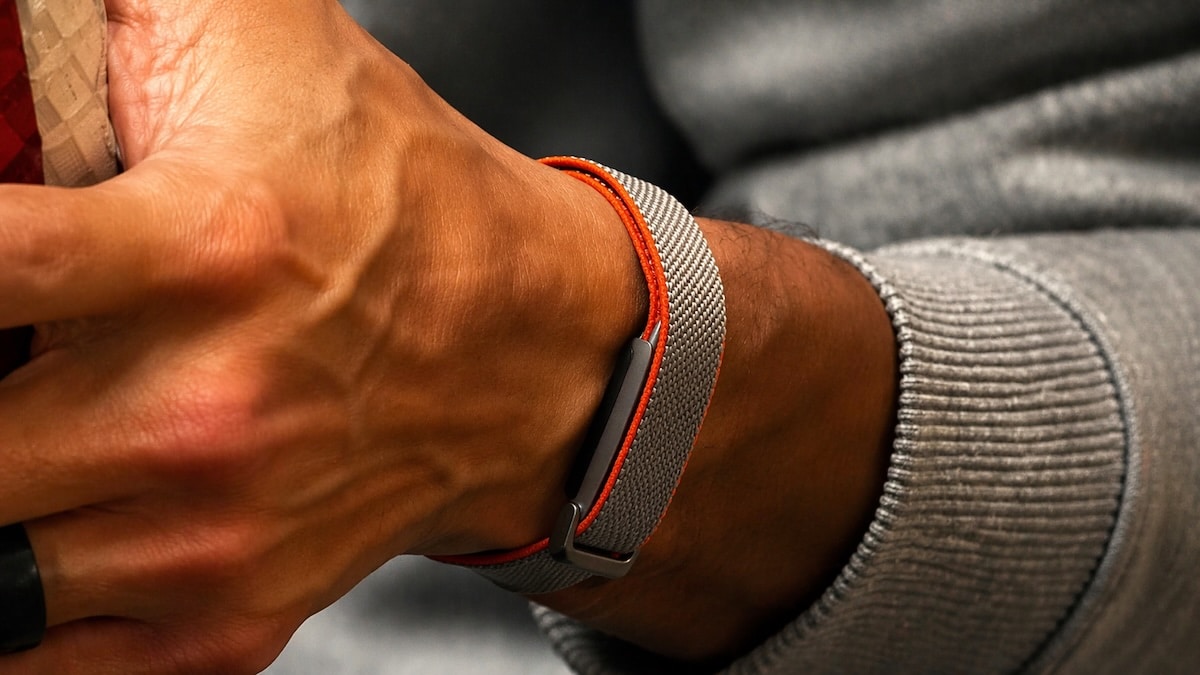
The world of wearable technology has long promised a seamless integration of health monitoring into our daily lives. From bulky smartwatches to discreet fitness trackers, companies have vied for dominance, each claiming to offer the next big leap in personal well-being. Now, Google, through its acquisition of Fitbit, is preparing to launch what it hopes will be another significant contender: the Fitbit Air. Touted as a thin, screenless recovery band, with an expected price point of around $100, it aims to deliver passive health tracking and app-based insights. But beneath the sleek, minimalist exterior, a crucial question lingers: Is the Fitbit Air a genuine innovation, or merely a sophisticated re-packaging of existing technology, riding on the coattails of Google's immense brand power?
The Promise of Minimalism: Design Meets Discretion
At first glance, the Fitbit Air embodies the modern aesthetic of 'less is more.' Its screenless design is a deliberate departure from the information-rich displays of smartwatches, signaling a shift towards a more discreet, background health companion. This design choice suggests a focus on continuous, unobtrusive data collection, allowing users to wear the device without constant visual interaction. The emphasis on a recovery band implies a specialization, moving beyond general activity tracking to focus on metrics crucial for rest, recuperation, and overall physiological balance. This could include advanced sleep stage analysis, heart rate variability (HRV) for stress assessment, and potentially skin temperature monitoring to detect early signs of illness or track menstrual cycles. The appeal here is clear: a device that works silently in the background, providing actionable insights without demanding constant attention or flashing notifications. For many, the allure of a device that simply works without being a distraction is a powerful draw in an increasingly noisy digital world. The projected $100 price point also positions it as an accessible entry into the Google-Fitbit ecosystem, potentially attracting a broader demographic than higher-end smartwatches.
Under the Hood: What's Truly New?
Despite the sleek packaging, the core functionalities described for the Fitbit Air – passive health tracking and app-based insights – are not revolutionary. Devices like the Oura Ring and various other fitness trackers have offered similar capabilities for years, focusing on sleep, activity, and recovery metrics without a traditional screen. The key differentiator, then, must lie in the quality of these insights, the accuracy of the sensors, and the integration with Google's broader health ecosystem. Will Google leverage its AI and machine learning prowess to deliver unparalleled predictive analytics or personalized coaching that goes beyond simple data presentation? Without a screen, the entire user experience hinges on the accompanying app. This app would need to be exceptionally intuitive, providing clear, actionable recommendations rather than just raw numbers. The challenge for Google is to demonstrate a tangible improvement over existing solutions, not just a different form factor. The market is saturated with devices tracking steps, heart rate, and sleep. To truly stand out, the Fitbit Air needs a 'killer feature' or a superior analytical engine that justifies its existence and price point.
The Wearable Tech Landscape: A Crowded Arena
The wearable technology market is fiercely competitive, with established players like Apple, Samsung, Garmin, and a host of smaller, specialized brands all vying for consumer attention. Apple Watch, with its comprehensive health suite including ECG, blood oxygen, and fall detection, sets a high bar for integrated health monitoring. Garmin offers robust features for athletes and adventurers, while Oura has carved a niche in sleep and recovery tracking with its discreet ring form factor. In this context, the Fitbit Air enters a market where consumers are increasingly sophisticated, demanding not just data, but meaningful insights and tangible health benefits. Google's acquisition of Fitbit in 2021 for $2.1 billion was a clear statement of intent to compete seriously in this space. However, the integration has been slow, and the products released under the Google-Fitbit banner haven't always delivered the groundbreaking innovation many expected. The Pixel Watch, for instance, received mixed reviews, often criticized for its battery life and reliance on Fitbit's existing health platform rather than introducing entirely new capabilities. The Fitbit Air, therefore, carries the weight of proving Google's long-term vision for wearable health.
Implications for Consumers and the Future of Health Tech
For consumers, the arrival of the Fitbit Air could present a more affordable and less intrusive option for basic health monitoring. If Google can deliver on its promise of meaningful, actionable insights through its app, it could democratize access to recovery-focused tracking. However, if it merely offers a stripped-down version of existing Fitbit features in a new shell, it risks being perceived as an underdeveloped product in a mature market. The broader implication for health tech lies in the ongoing trend towards passive monitoring and preventative health. As devices become smaller, more comfortable, and less demanding of user interaction, the potential for continuous, long-term health data collection grows exponentially. This data, when analyzed by advanced AI, could lead to earlier detection of health issues, more personalized wellness plans, and a shift from reactive to proactive healthcare. However, this also raises significant questions about data privacy and the ethical use of such intimate personal information. Google, as a data-driven company, will face scrutiny regarding how it collects, stores, and utilizes this sensitive health data.
Conclusion: Hype vs. Reality – The Verdict Awaits
The Google Fitbit Air is undeniably generating buzz, primarily due to its minimalist design and the powerful brand behind it. The concept of a discreet, screenless recovery band is appealing, promising health insights without the digital overload. However, the true test will be its ability to deliver genuinely new value beyond what is already available. If it offers superior sensor accuracy, groundbreaking AI-driven insights, or seamless integration that truly enhances user well-being, it could carve out a significant niche. If, however, it turns out to be 'all hype and very little new,' as some critics suggest, it risks becoming another footnote in the crowded history of wearable tech. The success of the Fitbit Air will depend not just on its sleek appearance, but on the depth of its innovation and Google's commitment to pushing the boundaries of personal health technology. The market, and consumers, are waiting to see if Google can finally deliver a truly transformative wearable experience.
Stay Informed
Get the world's most important stories delivered to your inbox.
No spam, unsubscribe anytime.
Comments
No comments yet. Be the first to share your thoughts!