Google Health's New Era: Navigating Premium vs. Basic Features and the Fitbit Air Integration
Google Health is poised to revolutionize personal wellness tracking with its new app and the integrated Fitbit Air, launching as early as May 19. Users will soon face a crucial decision: opt for the free basic features or unlock advanced insights and personalized coaching with a premium subscription. This article delves into the anticipated offerings, examining the value proposition of each tier and the broader implications for health tech.
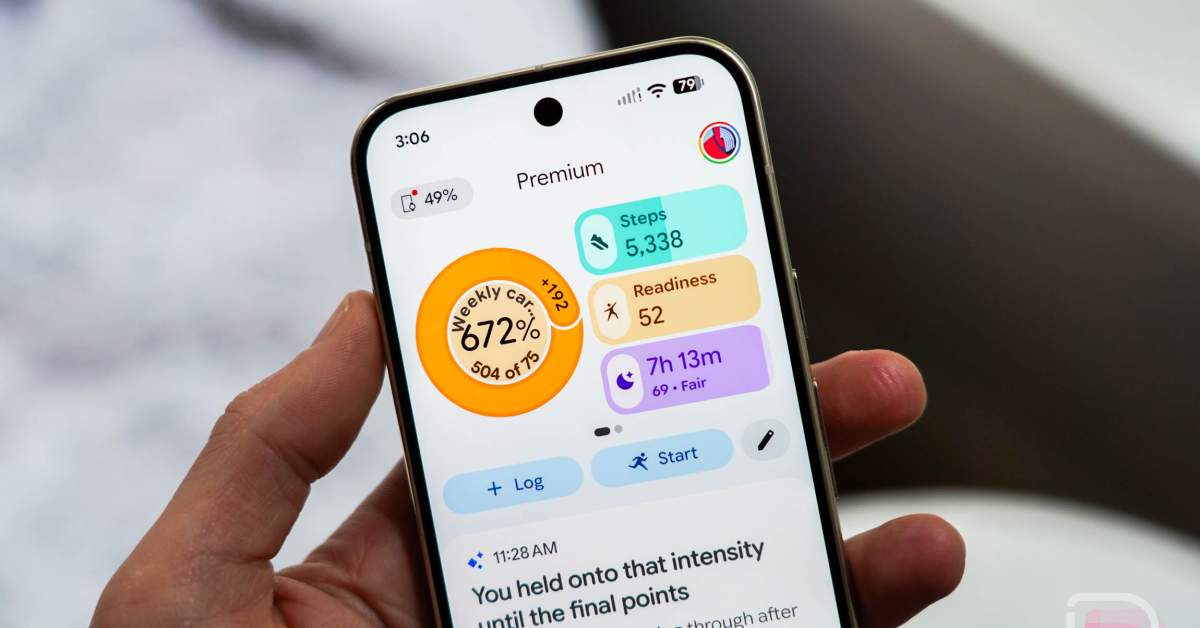
The landscape of personal health technology is on the cusp of a significant transformation with the imminent launch of Google Health's revamped application and the highly anticipated Fitbit Air. As early as May 19, many users will see their existing health apps update, ushering in a new era of digital wellness management powered by Google's vast ecosystem. This rollout presents a pivotal moment for consumers, forcing a decision between the foundational, free features and the more advanced, data-driven insights offered through a premium subscription. The stakes are high, not just for individual users seeking to optimize their well-being, but for the entire health tech industry as Google solidifies its position in a fiercely competitive market.
The Evolution of Google in Health Tech: A Historical Perspective
Google's foray into health and wellness is not a recent phenomenon. For years, the tech giant has been subtly, and sometimes overtly, building its presence. From Google Fit, which tracked basic activity metrics, to its strategic acquisition of Fitbit in 2021 for approximately $2.1 billion, the company has been meticulously assembling the pieces of a comprehensive health platform. This acquisition was a game-changer, bringing a well-established hardware ecosystem and a loyal user base under Google's umbrella. The integration of Fitbit's robust sensor technology and health tracking expertise with Google's AI capabilities and vast data processing power promised a synergistic approach to personal health. The new Google Health app, therefore, is not merely an update; it's the culmination of years of strategic investment and development, aiming to unify disparate health data points into a cohesive, actionable narrative for the user. This historical trajectory underscores Google's long-term vision: to become an indispensable partner in managing individual health and wellness, moving beyond simple data collection to proactive health insights and personalized guidance.
Deciphering the Tiers: Basic vs. Premium Offerings
At the heart of the new Google Health experience lies the fundamental choice between its basic, free features and the more expansive premium subscription. The basic tier is expected to provide essential health tracking functionalities, serving as a solid foundation for general wellness. This will likely include core metrics such as step counting, basic activity logging, sleep duration tracking, and perhaps rudimentary heart rate monitoring. For many, this free access will be sufficient to gain a general understanding of their daily activity levels and sleep patterns. It democratizes access to personal health data, aligning with Google's broader mission of making information universally accessible. This tier is designed to cast a wide net, attracting a massive user base and integrating seamlessly with the new Fitbit Air and other compatible devices.
The premium tier, however, is where Google Health is anticipated to truly differentiate itself. While the exact pricing and specific features are still being detailed, industry speculation and leaked information suggest a robust suite of advanced tools. These will likely include: in-depth sleep analysis, offering detailed insights into sleep stages and personalized recommendations for improvement; advanced heart rate variability (HRV) tracking to assess stress levels and recovery; guided workout programs tailored to individual fitness goals; personalized nutrition coaching based on activity levels and dietary preferences; and potentially proactive health alerts derived from AI-driven analysis of long-term data trends. The premium subscription aims to transform raw data into actionable intelligence, providing users with a virtual health coach in their pocket. This tier is clearly targeting users who are serious about optimizing their health, seeking a deeper understanding of their body's signals, and requiring more sophisticated tools for sustained wellness management.
The Fitbit Air: Hardware at the Core of the Ecosystem
The launch of the Google Health app is inextricably linked to the introduction of the Fitbit Air. While details about this specific device are still emerging, it is expected to be a flagship wearable that seamlessly integrates with the new Google Health platform. The Fitbit Air will likely embody the latest in sensor technology, offering enhanced accuracy for metrics such as heart rate, SpO2 (blood oxygen saturation), skin temperature, and perhaps even advanced ECG capabilities. Its design is anticipated to be sleek and comfortable, appealing to a broad demographic. The device will serve as the primary data collection point, feeding a rich stream of information into the Google Health app. The success of the Google Health ecosystem will heavily depend on the performance and user adoption of devices like the Fitbit Air, as they are the conduits through which personal health data is gathered. This hardware-software synergy is crucial; a powerful app is only as good as the data it receives, and the Fitbit Air is poised to be Google's answer to that need, providing reliable, continuous health monitoring.
Implications for Users and the Health Tech Industry
For individual users, Google Health's new offering represents both opportunity and a challenge. The opportunity lies in unprecedented access to personalized health insights, potentially empowering individuals to take more proactive control over their well-being. The challenge, however, is the increasing fragmentation of health data and the potential for subscription fatigue. Users will need to weigh the benefits of a premium subscription against its cost, considering whether the advanced features genuinely contribute to their health goals. There's also the perennial concern about data privacy and security, given Google's extensive data collection practices. Users will rightly demand transparency on how their sensitive health information is stored, processed, and utilized.
From an industry perspective, Google Health's aggressive push is set to intensify competition. Companies like Apple Health, Samsung Health, and various fitness app developers will need to innovate rapidly to keep pace. Google's advantage lies in its vast user base, its AI capabilities, and its ability to integrate health data with other services like Google Maps for activity tracking or Google Assistant for voice commands. This could lead to a more consolidated health tech market, where only the most robust and integrated platforms survive. Furthermore, the move could accelerate the trend towards preventative healthcare, as more individuals gain tools to monitor their health proactively, potentially reducing the burden on traditional healthcare systems. The integration of AI for predictive analytics, for instance, could flag potential health issues before they become critical, shifting the paradigm from reactive treatment to proactive prevention.
The Future of Digital Wellness: A Holistic Approach
The launch of Google Health and the Fitbit Air signifies a broader trend towards a more holistic and integrated approach to digital wellness. It's no longer just about counting steps; it's about understanding the intricate interplay between activity, sleep, nutrition, stress, and overall physiological markers. Google's ambition appears to be to create a comprehensive digital twin of an individual's health, offering insights that were once only available through clinical assessments. While the initial rollout on May 19 will mark the beginning, the true impact will unfold over time as Google refines its algorithms, expands its feature set, and potentially integrates with professional healthcare providers. The future of health tech, as envisioned by Google, is one where personal data empowers individuals, where AI acts as a personal health guide, and where wellness is an accessible, continuous journey. The decision to subscribe to premium features will ultimately depend on how deeply users wish to engage with this future, and how much value they place on an AI-driven companion dedicated to their well-being.
Stay Informed
Get the world's most important stories delivered to your inbox.
No spam, unsubscribe anytime.
Comments
No comments yet. Be the first to share your thoughts!