Googlebook: Google's AI-First Laptop Line Reshapes the Enterprise Workspace
Google is making its most significant push into enterprise hardware with Googlebook, a new Gemini-first laptop line set to launch in Fall 2026. This initiative signals a profound shift towards AI-native devices, leveraging partnerships with industry giants like Acer, Dell, and HP. PulseWorld explores how Googlebook aims to redefine productivity and security in the modern workplace, challenging established players and setting new benchmarks for AI integration.
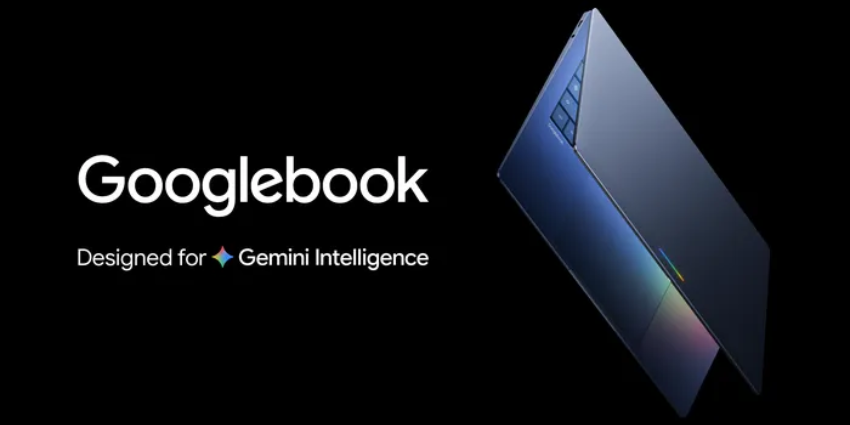
The digital landscape of the enterprise workspace is on the cusp of a profound transformation, spearheaded by an ambitious new entrant from a tech giant known for its software prowess. Google has officially unveiled Googlebook, a groundbreaking Gemini-first laptop line that marks its most significant hardware play in the business sector in years. Slated for a Fall 2026 launch, with collaborative hardware development from industry titans such as Acer, Asus, Dell, HP, and Lenovo, Googlebook is not just another laptop; it's a strategic declaration of intent, signaling a future where artificial intelligence is not merely an add-on but the foundational core of our work devices.
This move by Google is far more than a product launch; it's a recalibration of enterprise technology, aiming to embed its powerful Gemini AI models directly into the very fabric of the user experience. For years, Google has been a dominant force in cloud services and productivity suites with Google Workspace, but its hardware footprint in the corporate world has been comparatively modest, often overshadowed by Microsoft's Windows ecosystem and Apple's macOS devices. Googlebook seeks to disrupt this status quo, offering a compelling, AI-native alternative designed from the ground up for the demands of the modern, interconnected, and increasingly intelligent workplace.
The Dawn of AI-Native Hardware: What 'Gemini-First' Truly Means
The 'Gemini-first' designation is the cornerstone of Googlebook's identity. It signifies a paradigm shift from traditional computing, where AI capabilities are often integrated as software layers on top of existing operating systems and hardware. With Googlebook, the Gemini AI models – Google's most advanced and versatile AI – will be deeply integrated at the operating system level, likely within a specialized version of ChromeOS or a new, AI-optimized OS. This deep integration promises a host of benefits:
* Enhanced Performance: AI tasks, from complex data analysis to real-time language translation and content generation, will be processed with unprecedented efficiency, leveraging dedicated AI accelerators within the hardware. * Proactive Assistance: Imagine a laptop that anticipates your needs, suggests relevant information before you even type a query, or automatically optimizes your schedule based on your current workload and upcoming meetings. Gemini-first devices aim to offer this level of proactive, intelligent assistance. * Personalized Workflows: AI will learn individual user habits, preferences, and work styles, tailoring the computing experience to maximize personal productivity and minimize friction. * Robust Security: AI can play a crucial role in real-time threat detection, anomaly identification, and proactive defense against cyberattacks, offering a new layer of enterprise-grade security.
This approach aligns with a broader industry trend towards edge AI, where AI processing occurs directly on the device rather than solely in the cloud. This reduces latency, enhances privacy, and allows for offline AI capabilities, critical for many enterprise scenarios.
Strategic Partnerships and Market Disruption
The decision to partner with established hardware manufacturers like Acer, Asus, Dell, HP, and Lenovo is a shrewd strategic move by Google. Rather than building all hardware in-house, which would require massive investment and time, Google is leveraging the manufacturing expertise, supply chains, and existing enterprise sales channels of these global leaders. This collaborative model offers several advantages:
* Rapid Market Penetration: By partnering with multiple OEMs, Googlebook can achieve a wider reach and cater to diverse price points and form factors, accelerating its adoption in various enterprise segments. * Diverse Product Portfolio: Each partner can bring its unique design philosophy and engineering strengths to the Googlebook line, offering a rich array of options from ultra-portable notebooks to powerful workstations. * Shared Risk and Investment: The burden of R&D and manufacturing is distributed, making the venture more palatable for all parties involved.
This collaborative strategy directly challenges the vertically integrated models of Apple and, to some extent, Microsoft's Surface line. It also positions Googlebook as a direct competitor to traditional Windows laptops, which have historically dominated the enterprise market. The question is whether businesses will be willing to shift from familiar ecosystems to embrace a new, AI-centric platform.
The Enterprise Landscape: Opportunities and Challenges
Googlebook enters an enterprise market ripe for innovation but also characterized by entrenched habits and significant IT infrastructure. The opportunities for Google are substantial:
* Synergy with Google Workspace: For organizations already heavily invested in Google Workspace (Gmail, Docs, Drive, Meet), Googlebook offers a seamless, optimized hardware experience that could boost productivity and collaboration. * Simplified IT Management: A unified AI-native platform could simplify device management, security policies, and software deployments for IT departments. * Future-Proofing: As AI becomes increasingly central to business operations, adopting AI-first devices could future-proof an organization's technology stack.
However, significant challenges lie ahead. Enterprise adoption is often slow, driven by factors like compatibility with legacy systems, data migration concerns, and the need for extensive employee training. Furthermore, the security implications of deeply integrated AI, while offering benefits, also raise questions about data privacy and potential new attack vectors that Google will need to address proactively.
Another critical factor will be the developer ecosystem. For Googlebook to truly thrive, it will need robust support from third-party software developers to create AI-enhanced applications that leverage the platform's unique capabilities. Google's track record with ChromeOS, while successful in education, has had mixed results in broader enterprise adoption, often due to perceived limitations in software availability compared to Windows.
The Road Ahead: A Forward-Looking Perspective
The launch of Googlebook in Fall 2026 will be a pivotal moment for Google and the broader tech industry. It represents a bold bet on the future of computing, one where AI is not just a feature but the very operating system. If successful, Googlebook could redefine what an enterprise laptop is, pushing competitors to accelerate their own AI hardware strategies.
Industry analysts are watching closely. "Googlebook isn't just about selling laptops; it's about extending Google's AI ecosystem deeper into the daily workflows of businesses," says Dr. Evelyn Reed, a lead tech analyst at Quantum Insights. "The challenge will be convincing IT decision-makers to make such a fundamental shift, but the potential for transformative productivity gains is undeniable." The competitive landscape will intensify, with Microsoft undoubtedly responding with its own 'AI PC' initiatives, and Apple continuing to refine its M-series chips for on-device AI. The ultimate success of Googlebook will hinge on its ability to deliver on its promise of superior AI integration, robust security, and a seamless user experience that genuinely empowers the modern workforce. The future of enterprise technology is intelligent, and Googlebook aims to be at its forefront, ushering in an era where our devices don't just execute commands but anticipate, assist, and innovate alongside us.
This ambitious venture could solidify Google's position not just as a software and cloud leader, but as a formidable force in enterprise hardware, fundamentally altering how businesses approach their technological infrastructure and interact with artificial intelligence on a daily basis. The countdown to Fall 2026 has begun, and the tech world is holding its breath.
Stay Informed
Get the world's most important stories delivered to your inbox.
No spam, unsubscribe anytime.
Comments
No comments yet. Be the first to share your thoughts!