Gradient Weather: The New App Challenging Google's Pixel Weather Dominance
Google's Pixel Weather app, introduced with the Pixel 9 series, quickly became a favorite for its sleek UI and robust features. However, a new contender, Gradient Weather, is now emerging, promising an even more refined and customizable experience. This in-depth analysis explores how Gradient Weather is setting a new standard for Android weather applications, potentially dethroning the established Pixel favorite. Discover its unique features, design philosophy, and what makes it a compelling choice for discerning users.
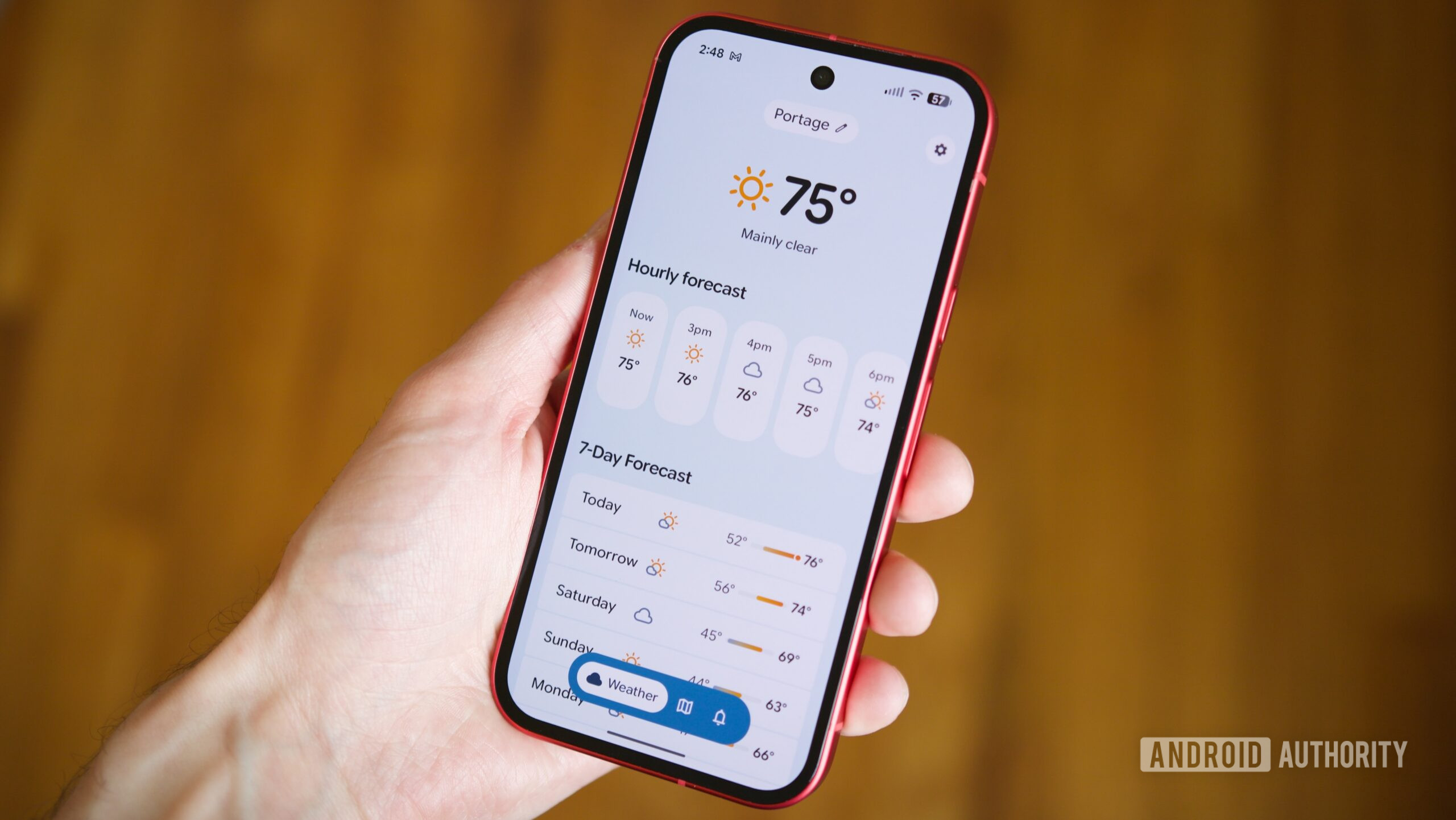
In the ever-evolving landscape of mobile applications, few categories are as universally essential yet frequently overlooked as weather apps. For years, users have sought the perfect blend of accuracy, aesthetics, and utility to inform their daily lives. When Google unveiled its dedicated Pixel Weather app alongside the Pixel 9 series in 2024, it was met with widespread acclaim. Its minimalist, 'Pixel-y' user interface, customizable home screen widgets, and surprisingly effective pollen tracker quickly cemented its status as a go-to choice for Android enthusiasts. Yet, in a testament to the relentless pace of innovation, a new challenger has emerged, threatening to unseat the reigning champion: Gradient Weather. This article delves into what makes Gradient Weather not just an alternative, but potentially a superior experience for those who demand more from their digital meteorologist.
The Rise of Pixel Weather: A Brief Retrospective
Before we explore the newcomer, it's crucial to understand the context set by Google's own offering. The Pixel Weather app wasn't just another pre-installed utility; it was a statement. Following years of relying on third-party integrations or more generic weather functionalities within Google Assistant or Search, the dedicated Pixel Weather app brought a cohesive, branded experience to the Pixel ecosystem. Its design language was unmistakably Google's Material You, characterized by soft pastels, fluid animations, and intuitive layouts. Key features like the detailed hourly and daily forecasts, severe weather alerts, and the aforementioned pollen tracker were lauded for their accuracy and user-friendliness. For many, it represented the pinnacle of what a first-party Android weather application could be – deeply integrated, visually appealing, and genuinely useful. It set a high bar, demonstrating that even a seemingly simple app could benefit from thoughtful design and robust data integration. The app's success underscored a growing user demand for not just data, but elegantly presented, actionable insights into their local climate.
Gradient Weather: A New Paradigm in Design and Functionality
Enter Gradient Weather, an application that, according to early adopters, manages to surpass the high standards set by Google. While specific details about its developer or exact release date might be nascent, its impact on the Android community is already palpable. The core appeal of Gradient Weather lies in its ability to take the 'Pixel-y' aesthetic and elevate it further. Users report an even more refined and fluid user interface, pushing the boundaries of what's considered beautiful and intuitive in an app. This isn't just about superficial beauty; it's about how design choices enhance usability and information delivery. Imagine weather data presented with subtle, dynamic gradients that reflect current conditions, or animations that feel more organic and less programmatic. This attention to detail in visual presentation is often what separates a good app from a great one.
Beyond mere aesthetics, Gradient Weather is lauded for its enhanced customization options. While Pixel Weather offered some degree of personalization, Gradient Weather reportedly takes it to the next level. This could manifest in: * Granular Widget Control: More options for size, transparency, information density, and even dynamic color theming that adapts to your wallpaper or time of day. * Data Source Flexibility: The ability to choose preferred weather data providers, potentially allowing users to opt for sources known for hyper-local accuracy in their specific region. * Thematic Adaptability: Deeper theming capabilities that go beyond Material You, offering users a truly unique visual experience that aligns with their personal style.
Furthermore, the app is said to offer superior data insights. While the Pixel Weather's pollen tracker was a standout, Gradient Weather might introduce even more specialized trackers or predictive models, such as air quality indices, UV radiation forecasts, or even hyper-local precipitation predictions that leverage advanced radar data. This focus on niche, yet highly relevant, data points caters to a more discerning user base that requires more than just basic temperature and humidity readings.
The Competitive Landscape: Innovation vs. Integration
The emergence of Gradient Weather highlights a fascinating dynamic in the Android app ecosystem: the constant tension between first-party integration and third-party innovation. Google's Pixel Weather benefits from deep system-level integration, often appearing seamlessly within the OS and leveraging Google's vast data infrastructure. This provides a certain level of reliability and consistency that can be hard for independent developers to match. However, third-party apps like Gradient Weather often have the advantage of agility and a singular focus. They are not beholden to broader corporate design guidelines or the need to serve multiple product lines. This allows them to experiment more freely with user interfaces, incorporate cutting-edge design trends, and respond more rapidly to user feedback.
Historically, this pattern has played out across various app categories. Google Maps, for instance, is deeply integrated into Android, but Waze, a third-party acquisition, offered superior real-time traffic and community-driven alerts for years. Similarly, while Google Photos offers robust cloud backup, many users prefer third-party gallery apps for their advanced editing features or organizational tools. The success of Gradient Weather suggests that even with a strong first-party offering, there's always room for an independent developer to carve out a niche by offering a more specialized, refined, or feature-rich experience. This competition ultimately benefits the end-user, driving both Google and independent developers to continually improve their offerings.
The Future of Weather Apps: Beyond Basic Forecasts
The trajectory set by apps like Pixel Weather and Gradient Weather points towards a future where weather applications are far more than simple forecast tools. We are moving towards proactive, personalized meteorological dashboards. Imagine an app that not only tells you it's going to rain but also suggests the optimal time to run errands based on predicted lulls, or an app that integrates with your smart home to adjust thermostat settings based on incoming weather fronts. The integration of AI and machine learning will play an increasingly significant role, allowing apps to learn user preferences, predict microclimates more accurately, and even offer health-related advice based on weather conditions (e.g., advising allergy sufferers to stay indoors during high pollen counts).
Furthermore, the emphasis on data visualization and user experience will only intensify. Static numbers will be replaced by dynamic, interactive graphs, immersive animations, and augmented reality overlays that bring weather data to life. The 'gamification' of weather, perhaps through challenges related to environmental awareness or personalized weather-based activities, could also become a trend. Gradient Weather, with its reported focus on refined design and advanced customization, appears to be at the forefront of this evolution, demonstrating that the pursuit of the 'perfect' weather app is an ongoing journey, driven by both technological advancements and ever-increasing user expectations. As mobile technology continues to intertwine with our daily routines, the humble weather app is transforming into an indispensable personal assistant, guiding us through the complexities of our environment with unprecedented precision and elegance.
Stay Informed
Get the world's most important stories delivered to your inbox.
No spam, unsubscribe anytime.
Comments
No comments yet. Be the first to share your thoughts!