Guangdong's Global Ascent: Zhongshan Products Forge New Trade Routes in Malaysia
The 'Guangdong Goods Go Global' initiative made a significant international debut in Kuala Lumpur, Malaysia, on April 25, 2026, with Zhongshan products leading the charge. This landmark event, blending traditional Cantonese culture with modern trade ambitions, signifies a strategic push by China's manufacturing powerhouse to deepen economic ties and expand its global market presence. The initiative highlights the evolving dynamics of international trade, emphasizing cultural exchange alongside commercial objectives and setting a precedent for future cross-border collaborations.
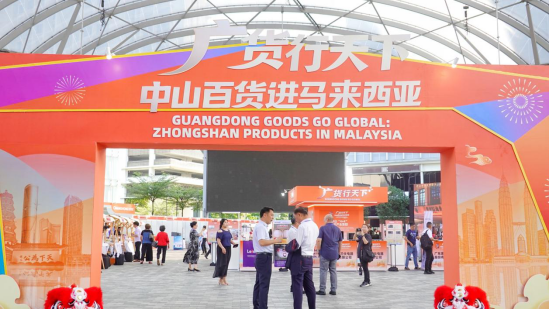
Kuala Lumpur, Malaysia – On April 25, 2026, the vibrant Pavilion Bukit Jalil square in Kuala Lumpur transformed into a bustling hub of cultural exchange and commercial ambition. The air, usually filled with the city's cosmopolitan hum, resonated with the melodious strains of Cantonese folk music, while a colossal screen showcased the distinctive Lingnan arcade buildings of Guangdong. This was no mere cultural festival; it was the grand international debut of the "Guangdong Goods Go Global: Zhongshan Products in Malaysia" event, a strategic initiative poised to redefine trade relations between China's manufacturing heartland and Southeast Asia.
The event's gateway, a majestic arch, beckoned attendees into a world where tradition met innovation, where the rich heritage of Zhongshan, a city synonymous with industrial prowess and cultural depth, was presented to a global audience. The sheer scale of the gathering and the enthusiastic reception underscored the growing appetite for high-quality Chinese products and the strategic importance of Malaysia as a gateway to the ASEAN market.
A Strategic Leap: Guangdong's Global Ambition
The "Guangdong Goods Go Global" initiative is more than just an export drive; it's a meticulously planned economic strategy by one of China's most dynamic provinces. Guangdong, often dubbed the "factory of the world," has long been a linchpin of global supply chains, producing everything from electronics and textiles to home appliances and machinery. However, this new phase marks a shift from passive manufacturing to proactive market penetration, aiming to establish direct brand presence and foster deeper consumer relationships abroad.
Zhongshan, a prefecture-level city in the Pearl River Delta, stands at the forefront of this endeavor. Known for its strong industrial base in sectors like lighting, small home appliances, and hardware, Zhongshan's participation in the Kuala Lumpur event was particularly significant. Its enterprises, many of which are small and medium-sized (SMEs), are seeking to diversify their export markets beyond traditional Western economies, eyeing the burgeoning consumer base and strategic location of Southeast Asian nations.
This initiative aligns with China's broader Belt and Road Initiative (BRI), which seeks to enhance connectivity and cooperation across Asia, Africa, and Europe. By directly showcasing its products and fostering business-to-business (B2B) and business-to-consumer (B2C) interactions, Guangdong is leveraging its economic might to build new trade corridors and strengthen existing ones. The choice of Malaysia as the inaugural international venue is no accident; Malaysia boasts a robust economy, a diverse consumer market, and strong historical and cultural ties with China, particularly with the Cantonese-speaking diaspora.
Cultural Diplomacy and Economic Integration
The event in Kuala Lumpur was a masterclass in cultural diplomacy. The integration of Cantonese folk music and visuals of Lingnan architecture served a dual purpose: to create an inviting and familiar atmosphere for the significant Malaysian Chinese population and to introduce the rich cultural tapestry of Guangdong to a wider international audience. This cultural immersion strategy helps to build bridges beyond mere commerce, fostering goodwill and mutual understanding, which are crucial for sustainable economic partnerships.
For Malaysia, hosting such an event offers substantial benefits. It provides Malaysian businesses and consumers with direct access to a wide array of high-quality products, potentially at competitive prices, and opens avenues for new partnerships, technology transfer, and investment. The event facilitated numerous matchmaking sessions between Zhongshan manufacturers and Malaysian distributors, retailers, and potential investors, laying the groundwork for long-term collaborations.
Furthermore, the focus on specific product categories from Zhongshan, such as smart home devices, energy-efficient lighting, and innovative consumer electronics, reflects a global trend towards sustainability and technological advancement. These products not only meet international quality standards but also cater to the evolving demands of modern consumers, offering solutions that are both practical and environmentally conscious.
The Road Ahead: Implications and Opportunities
The successful debut of "Guangdong Goods Go Global" in Malaysia sets a powerful precedent. It signals a more proactive and integrated approach by Chinese provincial governments to engage with international markets, moving beyond traditional trade fairs to curated, immersive experiences. This strategy is likely to be replicated in other key markets, further solidifying China's position as a global economic player.
For businesses in Zhongshan and indeed across Guangdong, this initiative represents a critical opportunity to:
* Expand market reach: Tap into new consumer bases in Southeast Asia and beyond. * Enhance brand recognition: Build direct relationships with international consumers and distributors. * Gather market intelligence: Understand local preferences and adapt products accordingly. * Foster innovation: Compete on quality and design, not just price.
The implications for global trade are significant. As more regional Chinese economies adopt similar strategies, we can expect a diversification of global supply chains and a potential shift in trade dynamics. The emphasis on direct engagement and cultural understanding could lead to more resilient and mutually beneficial economic relationships, moving away from purely transactional models.
However, challenges remain. Navigating diverse regulatory environments, understanding nuanced consumer behaviors, and building trust in new markets require sustained effort and adaptability. The success of "Guangdong Goods Go Global" will depend on its ability to evolve, respond to feedback, and continuously innovate, ensuring that the products truly resonate with international audiences.
In conclusion, the Kuala Lumpur event was not just a trade show; it was a declaration of intent. It showcased Guangdong's ambition to be a global economic leader, not just a manufacturing base. By blending cultural charm with commercial acumen, Zhongshan products, under the banner of "Guangdong Goods Go Global," are charting a new course for international trade, promising a future of deeper integration and shared prosperity. The melodious echoes of Cantonese folk music in Kuala Lumpur were a prelude to a new symphony of global commerce.
Stay Informed
Get the world's most important stories delivered to your inbox.
No spam, unsubscribe anytime.
Comments
No comments yet. Be the first to share your thoughts!