Hezbollah's FPV Drone Threat: IDF Admits No 'Magic' Solution, Calls for Policy Shift
Hezbollah's use of First Person View (FPV) drones poses an unprecedented and evolving threat to Israeli forces, with the IDF admitting there's no 'magic' solution to hermetically stop them. These advanced, manually operated drones are proving difficult to jam and highly lethal, significantly impacting battlefield dynamics. While technological countermeasures are being developed, Israeli officials suggest that lifting U.S. restrictions on operations in northern Lebanon could drastically reduce the threat by 80%, shifting the focus from defense to proactive deterrence. This situation highlights the complex interplay of military technology, geopolitical constraints, and the changing nature of modern warfare.
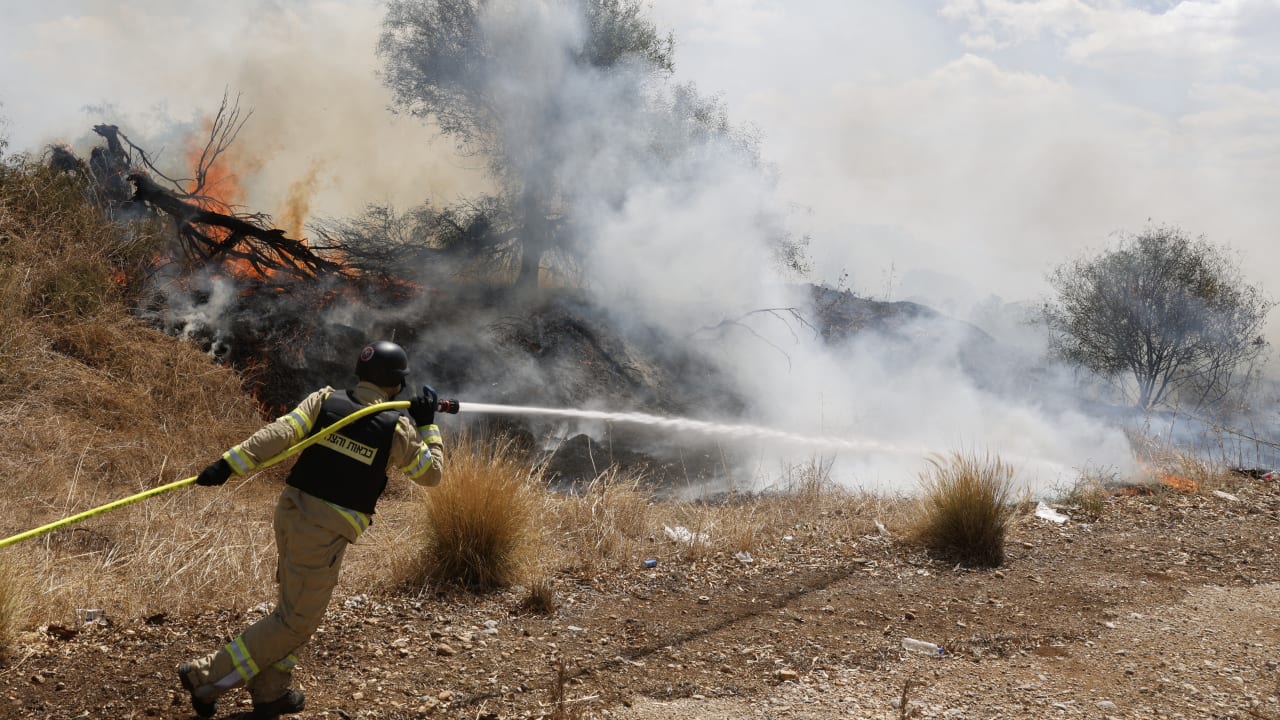
The skies over northern Israel and southern Lebanon have become a new frontier in modern warfare, where the agility of commercially adapted technology meets the grim realities of conflict. Hezbollah's increasing deployment of First Person View (FPV) drones has introduced a formidable, almost intractable challenge for the Israel Defense Forces (IDF), forcing a reevaluation of traditional defense strategies. In a stark admission, the IDF has conceded there is no 'magic' solution to hermetically stop these sophisticated, manually operated aerial threats, which are proving exceptionally difficult to jam and devastatingly effective.
The Evolving Threat of FPV Drones
Unlike conventional military drones, FPV drones, often adapted from commercial racing or photography models, offer a unique set of advantages to their operators. Flown with goggles that provide a real-time, first-person perspective, these drones allow for unparalleled maneuverability and precision, even in complex urban or mountainous terrain. Their relatively low cost, ease of acquisition, and the difficulty in detecting and countering them with traditional electronic warfare (EW) systems make them a game-changer. The IDF's recent experiences, including incidents where soldiers were injured and equipment damaged, underscore the severity of this threat.
Hezbollah's FPV drones are not just surveillance tools; they are increasingly weaponized, carrying small but potent payloads designed to strike specific targets with accuracy. This capability transforms them from mere nuisances into lethal instruments capable of inflicting casualties and destroying valuable assets. The human element, with skilled operators guiding these drones, further complicates jamming efforts, as they can often adapt to interference in real-time. This blend of accessible technology and human skill creates a dynamic and persistent threat that challenges even the most advanced military forces.
Technological Hurdles and Strategic Implications
The IDF's admission of a lack of a 'magic' solution highlights a significant technological gap. Traditional counter-drone measures, such as GPS jamming or signal disruption, are less effective against FPV drones due to their reliance on direct radio frequency (RF) control and the skill of their pilots. Developing effective countermeasures is a race against time, requiring innovation in areas like advanced signal analysis, directional jamming, and kinetic interception. However, these solutions are often expensive, complex to deploy, and may not offer a complete hermetic seal against a determined adversary.
Moreover, the proliferation of FPV drone technology has profound strategic implications. It democratizes air power, allowing non-state actors like Hezbollah to project force and conduct precision strikes previously reserved for state militaries. This shift blurs the lines of engagement, making it harder to distinguish between combatants and civilians, and complicates rules of engagement. The psychological impact on soldiers, knowing they could be targeted by an unseen, agile threat, also cannot be underestimated.
The Geopolitical Dimension: US Restraints and Proactive Defense
Beyond technological challenges, the IDF points to a critical geopolitical factor exacerbating the FPV drone threat: U.S. restraints on Israeli military operations in northern Lebanon. According to Israeli officials, lifting these restrictions could reduce the threat by a staggering 80%. This assertion suggests that a significant portion of the FPV drone threat originates from launch sites or operational bases within Lebanese territory that the IDF is currently constrained from targeting proactively.
This situation places Israel in a difficult position, caught between the immediate tactical threat and broader strategic considerations influenced by its primary ally. The U.S. has historically sought to de-escalate tensions in the region, often imposing limitations on Israeli military actions to prevent wider conflicts. However, from Israel's perspective, these restraints may inadvertently empower Hezbollah, allowing them to operate with a degree of impunity that fuels the FPV drone campaign.
The argument is that a more proactive approach, involving the ability to strike Hezbollah's drone infrastructure, command centers, and launch teams within Lebanon, would be far more effective than purely defensive measures. This isn't merely about destroying drones in flight; it's about dismantling the entire operational chain that enables their deployment. Such a shift would move the IDF from a reactive posture to a more offensive, deterrent one, aiming to neutralize the threat at its source rather than merely mitigating its effects.
Lessons from Ukraine and the Future of Warfare
The challenges faced by the IDF with FPV drones echo similar experiences in the ongoing conflict in Ukraine, where both sides have extensively utilized and countered these low-cost, high-impact weapons. The Ukrainian battlefield has become a proving ground for FPV drone tactics, counter-drone systems, and the rapid evolution of electronic warfare. Lessons learned there, regarding the importance of decentralized command, rapid technological adaptation, and the integration of commercial off-the-shelf (COTS) technology, are highly relevant to the Israeli-Hezbollah dynamic.
* Adaptability: The speed at which FPV drone technology evolves demands equally rapid adaptation in countermeasures. * Decentralization: Small, agile FPV units are difficult to track and eliminate. * EW Significance: Electronic warfare remains crucial, but requires constant innovation to stay ahead of drone capabilities. * Proactive Measures: Targeting drone assembly, storage, and launch sites is often more effective than purely defensive interception.
The future of warfare, as demonstrated by these conflicts, will increasingly involve swarms of autonomous or semi-autonomous systems, often leveraging commercially available technology. The FPV drone is a precursor to this future, highlighting the need for militaries to invest not only in high-end platforms but also in agile, adaptable defenses against asymmetric threats.
Conclusion: A Complex Equation for Regional Stability
The IDF's candid admission about the FPV drone threat underscores a multifaceted challenge that combines technological innovation, tactical adaptation, and complex geopolitical considerations. While the immediate focus is on developing robust defensive measures, the call to lift U.S. restraints points to a deeper strategic dilemma regarding proactive engagement versus de-escalation.
For Israel, the imperative is clear: protect its borders and citizens from an increasingly sophisticated adversary. For the U.S., the challenge is balancing its strategic interests in regional stability with its ally's security needs. The resolution of this FPV drone dilemma will not only shape the immediate conflict but will also offer critical insights into the future of modern warfare, where the lines between conventional and unconventional, state and non-state actors, continue to blur. The 'magic' solution, if one exists, may lie not in a single technology, but in a comprehensive strategy that integrates advanced defense, proactive deterrence, and nuanced diplomacy.
Stay Informed
Get the world's most important stories delivered to your inbox.
No spam, unsubscribe anytime.
Comments
No comments yet. Be the first to share your thoughts!